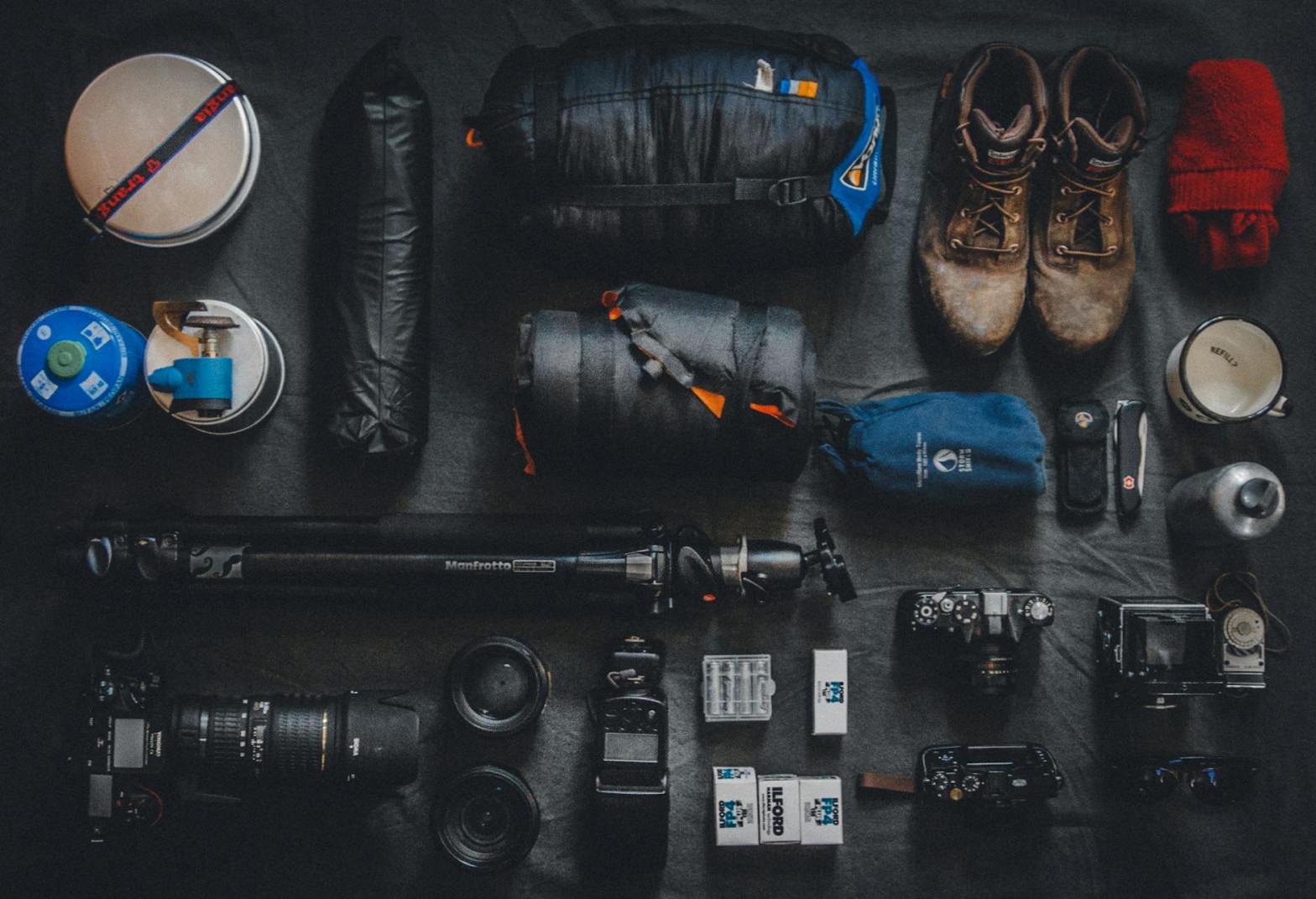
Essential Accessories

Having the right camera is just the beginning of your photographic journey. To make the most of your gear and achieve your creative vision, it’s crucial to invest in the right accessories. These tools enhance your photography experience, provide greater versatility, and help you overcome challenges in different shooting conditions. Here’s a comprehensive look at the essential accessories every photographer should consider.

1. Camera Lenses

The lens you use significantly influences the quality and style of your photographs. Different lenses cater to various types of photography:

Prime Lenses

  • Features: Fixed focal length, usually faster apertures (e.g., f/1.8, f/1.4).
  • Best For: Portraits, low-light photography, and sharp, detailed images.
  • Advantages: Superior image quality, lightweight, and compact.

Zoom Lenses

  • Features: Variable focal lengths (e.g., 24-70mm, 70-200mm).
  • Best For: Versatility and situations where changing lenses isn’t practical.
  • Advantages: Covers multiple focal lengths, making them great for travel and events.

Specialty Lenses

  • Macro Lenses: Ideal for close-up photography of small subjects like insects and flowers.
  • Wide-Angle Lenses: Perfect for landscapes and architectural shots.
  • Telephoto Lenses: Great for sports and wildlife photography, enabling you to capture distant subjects.

2. Tripods

A tripod is an indispensable tool for stable and sharp images, especially in challenging lighting conditions.

Types of Tripods

  • Full-Size Tripods: Offer maximum stability; ideal for landscapes, portraits, and studio work.
  • Travel Tripods: Lightweight and compact, designed for photographers on the go.
  • Mini Tripods: Perfect for tabletop photography and compact setups.

Key Features to Look For

  • Material: Aluminum (affordable and durable) or carbon fiber (lightweight and sturdy).
  • Height: Adjustable to suit your shooting needs.
  • Load Capacity: Ensure it can support your camera and heaviest lens.

3. Camera Bags

A reliable camera bag protects your gear and makes it easy to transport. Choose a bag based on your shooting style and the amount of equipment you carry.

Popular Options

  • Backpacks: Excellent for carrying multiple lenses and accessories over long distances.
  • Shoulder Bags: Ideal for quick access to your camera and lenses.
  • Sling Bags: A hybrid option offering convenience and moderate capacity.
  • Hard Cases: Provide maximum protection for professional gear during travel.

4. Filters

Filters are essential for controlling light, enhancing colors, and protecting your lenses.

Common Filter Types

  • UV Filters: Protect the lens from scratches and dust.
  • Polarizing Filters: Reduce reflections and enhance color saturation in skies and water.
  • Neutral Density (ND) Filters: Reduce light entering the lens, allowing slower shutter speeds for creative effects like smooth water or motion blur.

Choosing Filters

Invest in high-quality filters that match your lens diameter to ensure optimal performance.

5. External Flash and Lighting Equipment

Natural light isn’t always sufficient, and mastering artificial lighting opens up new creative possibilities.

Flash Options

  • On-Camera Flash: Compact and portable, great for event photography.
  • Off-Camera Flash: Offers flexibility in positioning for creative lighting setups.

Other Lighting Accessories

  • Reflectors: Bounce light onto your subject to fill in shadows.
  • Softboxes: Diffuse light for softer, more flattering portraits.
  • Light Stands: Provide stability and positioning for off-camera flashes or continuous lights.

6. Memory Cards

High-quality memory cards are vital for storing your images securely.

What to Look For

  • Capacity: Choose cards with ample storage (e.g., 64GB, 128GB) for long shoots.
  • Speed: High write speeds (e.g., 90MB/s or higher) are essential for burst shooting and 4K video.
  • Reliability: Opt for trusted brands like SanDisk, Lexar, or Samsung.

Backup Solutions

Carry multiple cards and consider portable hard drives or cloud storage for redundancy.

7. Batteries and Chargers

Running out of battery power can cut a shoot short. Always carry extras.

Recommendations

  • Extra Batteries: Ensure compatibility with your camera model.
  • Portable Chargers or Power Banks: Keep your camera and other devices charged on the go.
  • Battery Grips: Attach to your camera for extended shooting time and better ergonomics.

8. Remote Shutter Release

A remote shutter release helps eliminate camera shake, especially for long exposures and self-portraits.

Types

  • Wired Remotes: Simple and affordable, connect directly to your camera.
  • Wireless Remotes: Offer greater flexibility, often with additional features like interval shooting.
  • App-Based Controls: Use your smartphone to control your camera remotely.

9. Cleaning Equipment

Keeping your gear clean ensures optimal performance and longevity.

Essential Tools

  • Lens Cloths and Cleaning Solution: For removing smudges and dust from lenses.
  • Air Blower: Safely remove dust from your sensor and lens without touching them.
  • Sensor Cleaning Kits: For more thorough cleaning when needed.
  • Microfiber Cloths: General cleaning for camera bodies and accessories.

10. Straps and Harnesses

Comfortable straps and harnesses make carrying your camera easier during long shoots.

Options

  • Neck Straps: Standard straps provided with cameras, though aftermarket options offer better comfort.
  • Wrist Straps: Compact and ideal for lighter cameras.
  • Harnesses: Distribute weight evenly for carrying multiple cameras.

11. Software and Apps

Post-processing software and mobile apps are essential for editing and managing your photos.

Popular Choices

  • Adobe Lightroom and Photoshop: Industry-standard tools for comprehensive editing.
  • Capture One: Known for exceptional color grading and tethered shooting.
  • Mobile Apps: Snapseed and VSCO for editing on the go.

Listen to the podcast here –

Conclusion

Investing in essential accessories enhances your ability to capture the images you envision and ensures a smoother, more enjoyable photography experience. From lenses and tripods to lighting and software, each accessory plays a critical role in expanding your creative capabilities. As you grow in your photographic journey, building a versatile toolkit will empower you to tackle any challenge and achieve your artistic goals.

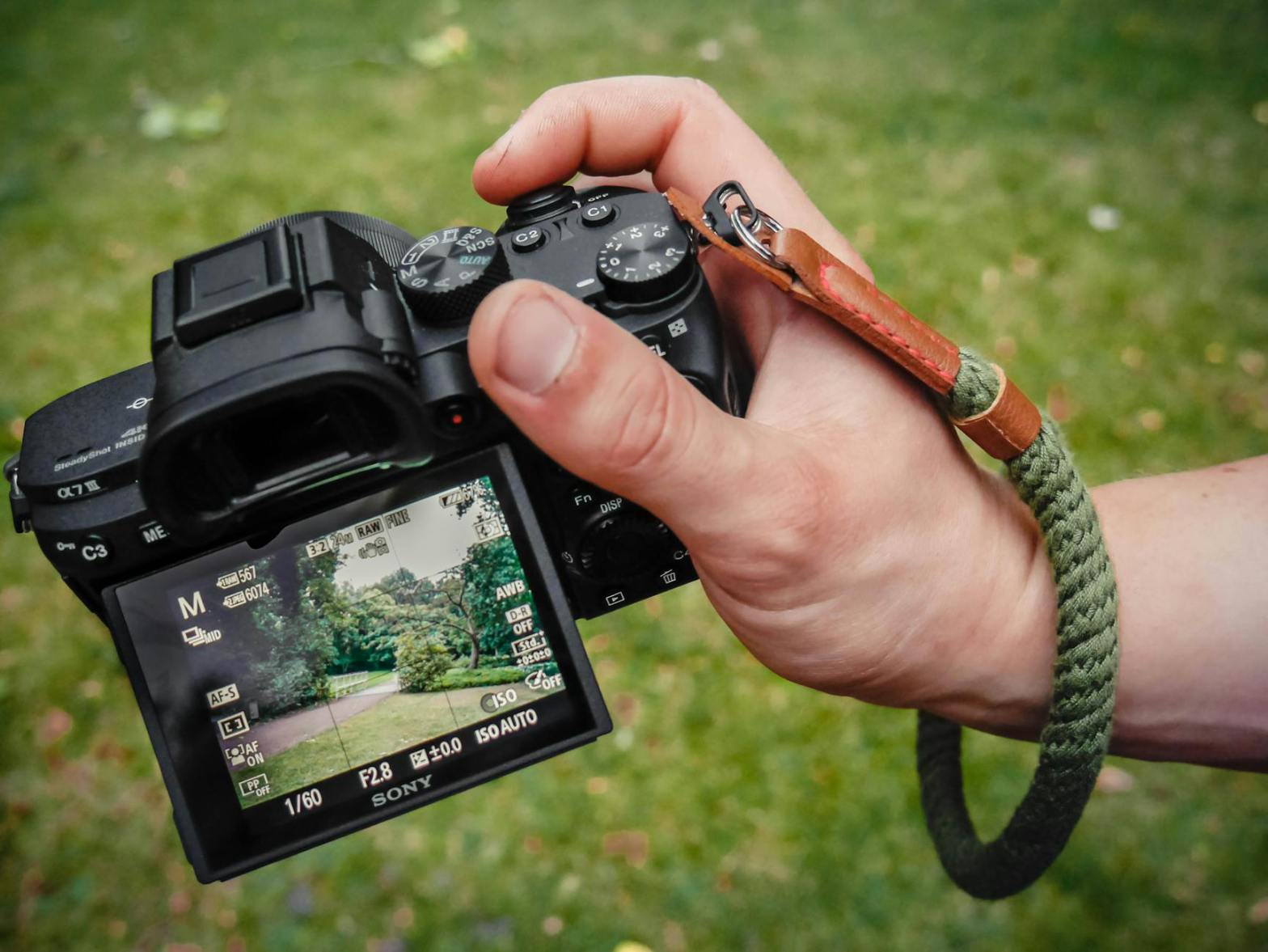
Key Features to Compare

When choosing a camera, it’s important to consider the following features:

Sensor Size

The sensor is the heart of the camera, capturing the light that forms an image. Larger sensors typically produce higher-quality images because they gather more light. Common sensor sizes include:

  • Full-Frame Sensors: Found in high-end DSLRs and mirrorless cameras, these sensors are equivalent to 35mm film and provide excellent low-light performance and depth of field control.
  • APS-C Sensors: Slightly smaller than full-frame, these are common in mid-range cameras and offer a good balance of quality and affordability.
  • Micro Four Thirds Sensors: Used in many compact and mirrorless cameras, these sensors are smaller but still capable of producing excellent images.
  • Smartphone Sensors: These are the smallest and rely on computational photography to enhance image quality.

Megapixels

Megapixels refer to the resolution of a camera’s sensor. While more megapixels can mean more detail, it’s not the only factor affecting image quality. High megapixel counts are useful for large prints and detailed cropping but may require more storage and processing power.

Lens Compatibility

A camera’s versatility is significantly influenced by the lenses available. Interchangeable lens systems, like those in DSLRs and mirrorless cameras, offer wide creative possibilities. Look for cameras with:

  • Wide Lens Selection: Ensure the camera’s system has lenses suitable for your needs, whether wide-angle, macro, or telephoto.
  • Third-Party Support: Some brands have more third-party lens options, which can be more affordable.

Portability

The best camera is the one you have with you. Consider:

  • Weight and Size: Mirrorless cameras and compact cameras are more portable than DSLRs.
  • Travel Needs: If you plan to carry your camera often, prioritize a lightweight and durable option.

Price

Balancing your budget with your desired features is crucial. Entry-level DSLRs and compact cameras are affordable starting points, while professional models and lenses can be significant investments.

Battery Life

Long battery life is essential for extended shoots, especially when traveling. DSLRs generally have longer battery life due to their optical viewfinders, while mirrorless cameras may require extra batteries.

Autofocus System

Advanced autofocus systems are invaluable for capturing fast-moving subjects. Mirrorless cameras often have cutting-edge tracking capabilities, making them ideal for video and action photography.

Connectivity

Modern cameras often include Wi-Fi, Bluetooth, or NFC for easy sharing and remote control. These features are particularly handy for smartphone photographers transitioning to dedicated cameras.

Listen to the podcast here –

Conclusion

Understanding and comparing these key features will empower you to choose the camera that aligns best with your needs and goals. Whether prioritizing image quality, portability, or affordability, a well-informed decision ensures you’ll have the right tool to capture your creative vision

Types of Cameras

Types of Cameras: DSLRs, Mirrorless, Compact, and Smartphone Cameras

Photography begins with understanding your tools. Each type of camera has unique features, strengths, and limitations that cater to different needs, styles, and levels of expertise. Below, we explore the primary types of cameras available today.

DSLRs (Digital Single-Lens Reflex Cameras)

DSLRs are the workhorses of professional and enthusiast photography. They use a mirror mechanism to reflect light from the lens into an optical viewfinder, allowing photographers to see exactly what the lens sees.

Key Features:

  • Interchangeable Lenses: DSLRs offer a wide range of lenses, from wide-angle to telephoto, giving photographers incredible versatility.
  • Superior Image Quality: Equipped with large sensors, DSLRs excel in capturing detailed, high-resolution images, even in low light.
  • Manual Control: These cameras provide extensive control over settings like aperture, shutter speed, and ISO, making them ideal for learning and mastery.
  • Durability: Designed for rigorous use, many DSLRs are weather-sealed and robust.

Considerations:

  • Size and Weight: DSLRs are bulkier and heavier compared to other camera types.
  • Learning Curve: Beginners may need time to get accustomed to the controls and features.

Mirrorless Cameras

Mirrorless cameras have revolutionized the photography world by eliminating the mirror mechanism, offering a more compact alternative to DSLRs. Instead of an optical viewfinder, they use an electronic viewfinder or the LCD screen to display the image.

Key Features:

  • Compact Design: Without the bulky mirror assembly, mirrorless cameras are lighter and more portable.
  • Electronic Viewfinder (EVF): The EVF displays real-time exposure and settings adjustments, giving photographers immediate feedback.
  • Interchangeable Lenses: Like DSLRs, mirrorless cameras support a variety of lenses.
  • Advanced Autofocus Systems: Mirrorless cameras often have superior autofocus tracking, especially for video.

Considerations:

  • Battery Life: The reliance on electronic components can drain the battery faster.
  • Limited Lens Selection: While improving, lens options for some systems may be narrower than those for DSLRs.

Compact Cameras

Also known as point-and-shoot cameras, compact cameras are designed for simplicity and ease of use. They cater to casual photographers who want decent image quality without the complexity of larger systems.

Key Features:

  • Portability: Compact and lightweight, these cameras are perfect for on-the-go photography.
  • Ease of Use: With automatic settings, they are ideal for beginners or those who prefer a hassle-free experience.
  • Integrated Lenses: These cameras typically have fixed lenses with varying zoom ranges.
  • Affordability: Generally more budget-friendly than DSLRs and mirrorless cameras.

Considerations:

  • Limited Manual Control: Compact cameras may not offer much flexibility for advanced settings.
  • Image Quality: Smaller sensors can limit performance in low light and reduce depth of field control.

Smartphone Cameras

Smartphones have become the most widely used cameras in the world due to their convenience and ever-improving capabilities. Modern smartphones often feature multiple lenses and advanced computational photography.

Key Features:

  • Always Accessible: Smartphones are almost always within reach, making them perfect for spontaneous photography.
  • Computational Enhancements: Features like HDR, portrait mode, and night mode enhance image quality.
  • Social Media Integration: Easy sharing directly from the device.
  • Video Capabilities: High-quality video recording with features like stabilization.

Considerations:

  • Sensor Size: While improving, smartphone sensors are still smaller than those of dedicated cameras.
  • Limited Manual Controls: Many smartphones rely on automatic settings, although some offer “pro” modes.
  • Fixed Lenses: Without interchangeable lenses, smartphones rely on digital zoom, which can reduce image quality.

Key Features to Compare

When choosing a camera, it’s important to consider the following features:

  • Sensor Size: Larger sensors generally produce better image quality and handle low light better.
  • Megapixels: While not the sole determinant of quality, more megapixels can allow for larger prints and detailed crops.
  • Lens Compatibility: The availability of lenses can significantly impact your creative possibilities.
  • Portability: Consider how often and where you’ll be using the camera.
  • Price: Balance your budget with the features you prioritize.

Conclusion

Understanding the different types of cameras and their features is the first step in your photographic journey. Each type has its own strengths and is suited for specific needs, whether you’re capturing landscapes on a DSLR, vlogging with a mirrorless camera, documenting travel with a compact camera, or sharing moments instantly from your smartphone. Choose the camera that aligns with your goals and start exploring the endless possibilities of digital photography.