Aperture

Understanding Aperture in Photography

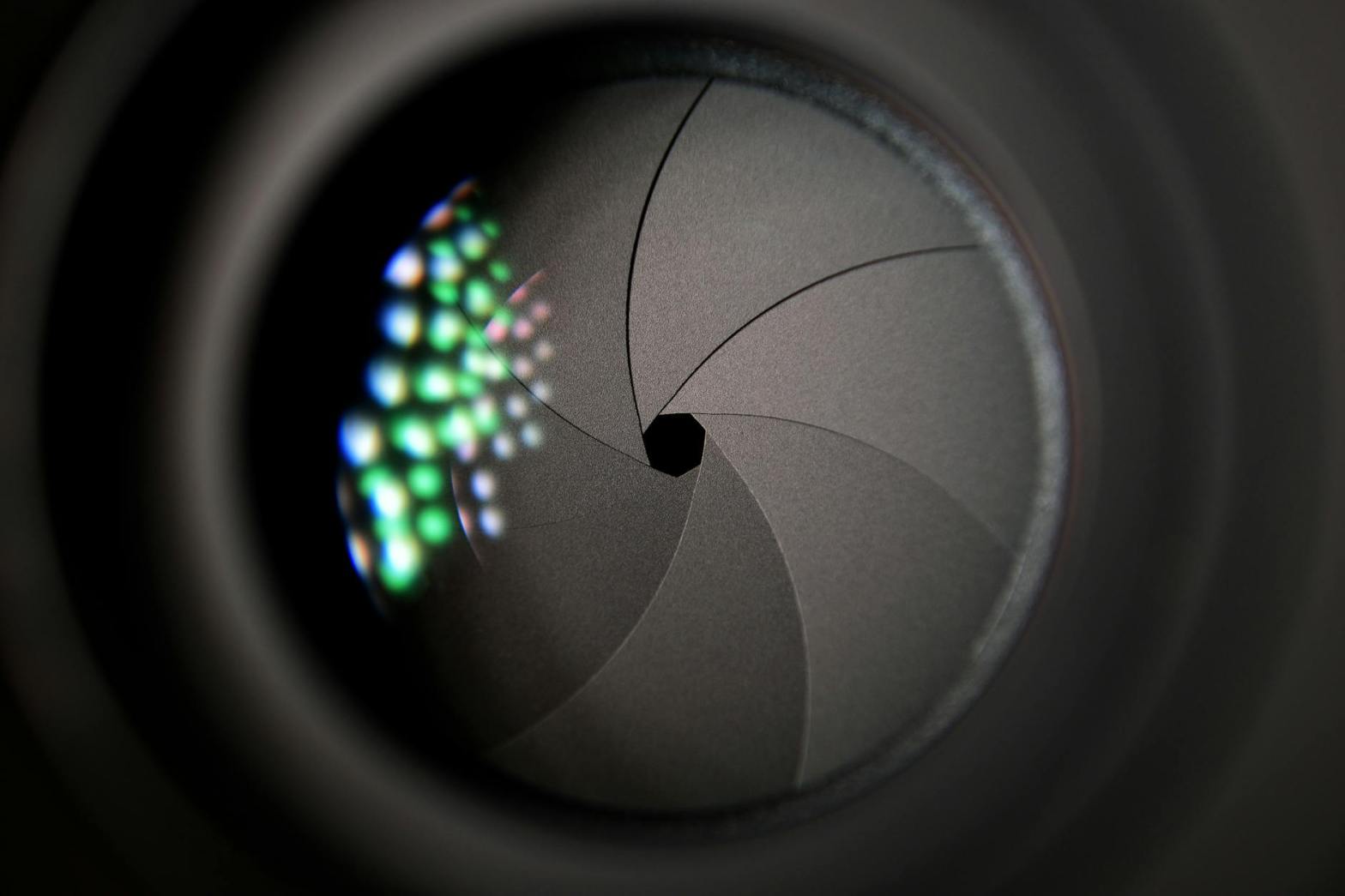
Aperture is a crucial element of photography that directly influences exposure and depth of field. It refers to the adjustable opening in a camera lens through which light passes to reach the sensor. By controlling aperture size, photographers can manipulate brightness and focus, enabling creative and technical control over their images.

Key Concepts

F-Stop Numbers

Aperture is measured in f-stops (e.g., f/1.4, f/2.8, f/5.6, f/11), which indicate the size of the lens opening:

  • Smaller f-stop numbers (e.g., f/1.4, f/2.8): Represent larger apertures, allowing more light to enter. This is useful in low-light conditions and for achieving a shallow depth of field.
  • Larger f-stop numbers (e.g., f/8, f/11, f/16): Represent smaller apertures, allowing less light in. These settings are ideal for landscape photography, where a greater depth of field is desired.

Depth of Field

Aperture size significantly impacts the depth of field (DoF), which determines how much of an image remains in focus:

  • Wide apertures (small f-stop, e.g., f/1.8): Create a shallow depth of field, making the subject stand out by blurring the background. This effect is commonly used in portrait photography.
  • Narrow apertures (large f-stop, e.g., f/11, f/16): Increase depth of field, ensuring that more of the scene remains sharp and in focus. This is ideal for landscapes and architectural photography.

Practical Applications of Aperture

Portrait Photography

  • Use a wide aperture (e.g., f/1.4 – f/2.8) to isolate the subject from the background, creating a professional and artistic bokeh effect.
  • Ensuring eye sharpness: When using very large apertures, focus on the subject’s eyes to maintain sharpness where it matters most.

Landscape Photography

  • Use a narrow aperture (e.g., f/11 – f/16) to ensure that both foreground and background elements remain sharp.
  • Hyperfocal distance: Understanding this concept allows photographers to maximize depth of field while avoiding diffraction issues at very high f-stops.

Macro Photography

  • Balancing depth of field and light: Since macro photography involves close-up subjects, depth of field becomes extremely shallow at wide apertures. A narrow aperture (e.g., f/8 – f/16) is often used to keep more of the subject in focus.
  • Focus stacking: Sometimes required when a narrow aperture alone does not provide sufficient depth of field.

Night and Low-Light Photography

  • Use a wide aperture (e.g., f/1.4 – f/2.8) to allow as much light as possible onto the sensor, reducing the need for high ISO settings and minimizing noise.
  • Trade-off between light and focus: A wider aperture gathers more light but reduces the depth of field, requiring careful subject placement.

Challenges and Considerations

Light Control

  • Overexposure risks: In bright conditions, a wide aperture may allow too much light, leading to overexposed images. Solutions include:
    • ND Filters: Neutral density filters reduce the amount of light entering the lens without affecting colors.
    • Faster Shutter Speed: A quicker shutter speed compensates for increased light intake.
    • Lower ISO: Reducing ISO helps balance exposure while maintaining image quality.

Lens Limitations

  • Maximum and minimum apertures: Not all lenses can achieve extremely wide (e.g., f/1.2) or narrow (e.g., f/22) apertures. Prime lenses typically offer wider maximum apertures compared to zoom lenses.
  • Lens quality and sharpness: Some lenses exhibit softness at their widest apertures or diffraction at their narrowest apertures. Understanding a lens’s optimal aperture (often between f/4 and f/8) helps achieve the best image quality.

Creative Uses of Aperture

  • Silhouettes: Using a narrow aperture combined with correct exposure settings can create strong, well-defined silhouettes.
  • Starburst Effect: Achieved by using very narrow apertures (e.g., f/16 – f/22) when photographing bright points of light, such as streetlights or the sun.
  • Intentional Blur and Bokeh Shapes: Specialized techniques, such as using shaped bokeh filters, can enhance creative expression.

Conclusion

Aperture is a fundamental aspect of photography that affects both technical quality and artistic style. Mastering its control allows photographers to adapt to different lighting conditions, enhance subject isolation, and create striking visual effects. By experimenting with different f-stops and understanding their impact, photographers can unlock new creative possibilities and refine their skills for any photographic scenario.
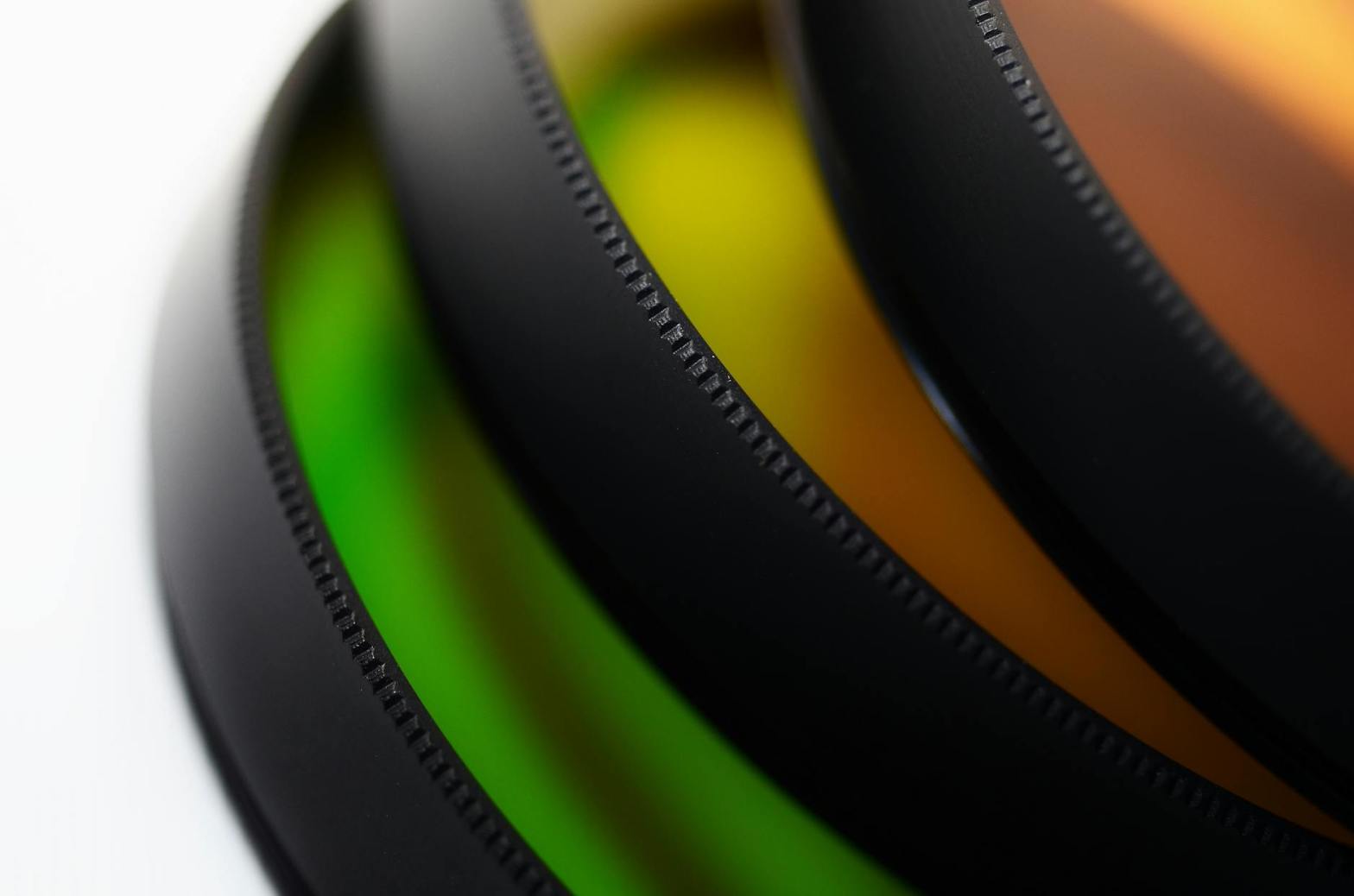

Filters

Filters in Photography

Filters are essential tools in photography that help control light, enhance colors, and protect your lenses. They can improve image quality, create special effects, and enable photographers to shoot in challenging lighting conditions. Whether you are a beginner or a professional, understanding the different types of filters and their uses will help you achieve better results in your photography.

Common Filter Types

UV Filters

UV filters were originally designed to reduce the effects of ultraviolet light on film photography, preventing hazy or bluish images. While modern digital sensors are less affected by UV light, UV filters are still widely used for lens protection.

Features and Benefits:

  • Protects the front element of your lens from scratches, dust, and moisture
  • Minimizes atmospheric haze in certain conditions
  • Thin and lightweight, making them easy to leave on the lens permanently

Best For:

  • General protection of camera lenses
  • Outdoor photography to reduce atmospheric haze
  • Situations where lens cleaning may be difficult or frequent

Polarizing Filters

Polarizing filters are among the most popular filters in photography due to their ability to manage reflections and enhance color saturation.

Features and Benefits:

  • Reduces glare and reflections from non-metallic surfaces (e.g., water, glass, and foliage)
  • Enhances color saturation, making skies appear deeper blue and foliage more vibrant
  • Improves contrast in landscape photography

Best For:

  • Landscape photography to deepen blue skies and enhance clouds
  • Water photography to reduce glare and see beneath the surface
  • Shooting through windows or glass to minimize reflections

Neutral Density (ND) Filters

Neutral Density (ND) filters reduce the amount of light entering the lens without affecting color balance. They allow photographers to use slower shutter speeds or wider apertures in bright conditions.

Features and Benefits:

  • Enables long-exposure effects, such as silky smooth waterfalls or blurred motion in crowds
  • Helps achieve a shallow depth of field in bright conditions by allowing wider apertures
  • Available in various strengths (e.g., ND2, ND4, ND8, ND1000) to control different levels of light reduction

Best For:

  • Long-exposure photography to capture motion blur
  • Portrait photography in bright daylight to maintain a shallow depth of field
  • Videography to maintain cinematic motion blur under strong lighting

Graduated Neutral Density (GND) Filters

Graduated Neutral Density filters are a variation of ND filters, featuring a gradual transition from dark to clear. They are commonly used in landscape photography.

Features and Benefits:

  • Balances exposure between bright skies and darker foregrounds
  • Available in hard or soft gradients for different horizon lines
  • Enhances dynamic range in landscape photography

Best For:

  • Landscape photography to properly expose both sky and land
  • Sunset or sunrise photography to balance bright and dark areas

Color Filters

Color filters adjust the color balance of an image and are mostly used in black-and-white photography or creative shooting.

Features and Benefits:

  • Red filters enhance contrast in black-and-white photography, making skies darker
  • Blue filters can add a cool tone to images
  • Creative effects can be achieved by introducing different colors into an image

Best For:

  • Black-and-white photography to improve contrast
  • Artistic photography for unique color effects

Infrared (IR) Filters

Infrared filters block visible light and allow only infrared light to reach the camera sensor, creating surreal and dreamlike effects.

Features and Benefits:

  • Produces striking, otherworldly images with white foliage and dark skies
  • Helps create unique artistic effects in digital photography
  • Requires long exposures and careful post-processing

Best For:

  • Experimental and creative photography
  • Capturing surreal landscapes and unique portraits

Close-Up (Macro) Filters

Close-up filters function like magnifying glasses, allowing photographers to focus on small subjects without needing a dedicated macro lens.

Features and Benefits:

  • Affordable alternative to macro lenses
  • Easy to attach and remove
  • Available in different magnification strengths (+1, +2, +4, etc.)

Best For:

  • Macro photography of flowers, insects, and small objects
  • Budget-conscious photographers who want to explore close-up photography

Choosing Filters

Selecting the right filter depends on your photography style and needs. Here are some key factors to consider:

Quality Matters

Investing in high-quality filters ensures minimal impact on image sharpness and color accuracy. Cheap filters can degrade image quality by introducing unwanted reflections, color casts, or vignetting.

Compatibility with Lens Diameter

Filters are available in different thread sizes to match the diameter of your lens. Check your lens specifications to find the correct size, or use step-up rings to adapt filters to multiple lenses.

Coating and Construction

Look for multi-coated filters to reduce reflections and flare. High-end filters often have water-resistant, anti-scratch coatings for added durability.

Screw-On vs. Square Filters

  • Screw-on filters attach directly to the lens thread and are convenient for everyday use.
  • Square filter systems require a holder but allow more flexibility, as multiple filters can be stacked and adjusted.

Using Filters Effectively

To maximize the benefits of filters, keep these tips in mind:

  • Avoid overuse of filters: While filters can enhance your images, excessive stacking can lead to vignetting and loss of sharpness.
  • Keep filters clean: Smudges and dust can impact image quality, so regularly clean filters with a microfiber cloth.
  • Use filters with purpose: Understanding the effect of each filter will help you use them effectively to enhance your photography.

Conclusion

Filters are powerful tools that can significantly enhance your photography by controlling light, improving color, and adding creative effects. From UV protection to polarizing and ND filters, choosing the right one for your needs will help you achieve your desired results. Investing in quality filters and using them effectively will elevate your photography and open new creative possibilities.

Camera Bags

A reliable camera bag is essential for protecting your gear, ensuring ease of transport, and providing quick access to your equipment when needed. Whether you are a professional photographer carrying multiple cameras and lenses or a hobbyist with a compact setup, selecting the right bag depends on your shooting style, the amount of gear you carry, and the level of protection required.

Popular Options

Backpacks

Camera backpacks are excellent for photographers who need to carry multiple lenses, accessories, and even a tripod over long distances. They distribute weight evenly across both shoulders, making them comfortable for extended use.

Features:

  • Padded compartments for multiple cameras and lenses
  • Adjustable dividers for customizable organization
  • Additional pockets for accessories such as memory cards, batteries, and filters
  • Tripod holders and external straps for extra gear
  • Water-resistant or weatherproof materials for outdoor shooting

Best For:

  • Landscape photographers who hike to remote locations
  • Travel photographers needing a hands-free carrying option
  • Event photographers requiring extra storage for accessories

Shoulder Bags

Shoulder bags provide quick access to your camera and lenses, making them ideal for street and event photography. They allow easy switching between gear without needing to remove the bag from your body.

Features:

  • Single shoulder strap for easy carrying
  • Quick-access flap for fast lens or camera swaps
  • Compact design suitable for urban environments
  • Padded compartments for protection
  • Adjustable dividers to organize equipment

Best For:

  • Street photographers who need to move quickly
  • Event photographers needing easy access to lenses and accessories
  • Photojournalists working in fast-paced environments

Sling Bags

Sling bags offer a hybrid design between backpacks and shoulder bags. They feature a single cross-body strap, allowing for easy rotation from back to front for quick gear access. They balance convenience and capacity, making them a versatile choice.

Features:

  • Cross-body strap for comfortable carrying
  • Quick side-access compartments
  • Adjustable dividers for organization
  • Lightweight design compared to backpacks
  • Padded sections for added protection

Best For:

  • Travel photographers needing quick access to gear
  • Street photographers who prefer a compact yet spacious option
  • Hobbyists and vloggers who carry a moderate amount of equipment

Hard Cases

Hard cases provide the highest level of protection for camera gear, making them a preferred choice for professional photographers traveling with expensive equipment. These cases are built to withstand extreme conditions, offering impact resistance and water protection.

Features:

  • Hard-shell exterior for impact protection
  • Foam inserts for secure equipment placement
  • Waterproof and dustproof seals
  • Lockable latches for security
  • Wheels and handles for easy transport

Best For:

  • Professional photographers traveling with high-end gear
  • Videographers needing secure storage for delicate equipment
  • Studio photographers transporting lighting and camera setups

Additional Considerations

Material and Durability

A camera bag’s material determines its durability, weight, and weather resistance. Common materials include:

  • Nylon: Lightweight and water-resistant, ideal for travel.
  • Canvas: Durable and stylish but heavier than synthetic materials.
  • Leather: Offers a premium look and durability but requires maintenance.
  • Hard Plastic: Provides maximum protection against shocks and impacts.

Size and Capacity

Choosing the right size depends on the number of cameras, lenses, and accessories you plan to carry. Consider:

  • Small bags: Best for compact cameras and a single lens.
  • Medium bags: Ideal for carrying a camera body with two or three lenses.
  • Large bags: Suitable for professional setups with multiple cameras, lenses, and accessories.

Comfort and Ergonomics

Comfort is crucial, especially for photographers who travel or shoot for extended periods. Look for:

  • Padded shoulder straps: Reduces strain on your shoulders and back.
  • Breathable back panels: Prevents overheating during long wear.
  • Adjustable straps: Helps distribute weight evenly for better support.

Security Features

Protecting your expensive gear from theft is essential, especially when traveling. Security features to consider include:

  • Lockable zippers: Prevent unauthorized access.
  • Hidden compartments: Provide discreet storage for valuables.
  • Anti-theft straps: Prevent slash-and-grab theft attempts.

Weather Protection

For outdoor and travel photographers, weather resistance is a key consideration. Features to look for:

  • Water-resistant coatings: Helps repel light rain and moisture.
  • Rain covers: Provide extra protection in heavy downpours.
  • Sealed zippers: Prevent water from seeping into compartments.

Versatility and Expandability

Many photographers need bags that can adapt to different shooting conditions. Look for:

  • Modular designs: Allow you to add or remove compartments.
  • Expandable compartments: Provide extra storage when needed.
  • Convertible designs: Some bags switch between backpack, sling, and shoulder configurations.

Choosing the Right Camera Bag for Your Needs

Selecting the best camera bag depends on your photography style and specific needs. Here are some recommendations based on different scenarios:

  • For Travel Photography: A lightweight, durable travel backpack with weatherproofing and security features.
  • For Street Photography: A compact shoulder or sling bag for quick access to your gear.
  • For Wildlife Photography: A large backpack with extra padding and multiple compartments.
  • For Studio and Professional Work: A hard case with foam inserts for maximum protection.
  • For Vlogging and Content Creation: A medium-sized sling bag with space for a camera, microphone, and small tripod.

Investing in a high-quality camera bag ensures that your equipment stays protected, organized, and easy to access. By considering factors such as size, material, security, and comfort, you can find the perfect camera bag that fits your photographic needs and enhances your shooting experience.

Tripods

Tripods

A tripod is an indispensable tool for stable and sharp images, especially in challenging lighting conditions. Whether you are capturing landscapes, shooting long-exposure photographs, or working in a studio, a reliable tripod can help eliminate camera shake and improve image quality. Understanding the different types of tripods and their features will help you choose the best one for your needs.

Types of Tripods

Full-Size Tripods

Full-size tripods provide the highest level of stability and versatility, making them ideal for a wide range of photography applications. These tripods are well-suited for landscape photography, portrait work, and studio shoots where a steady platform is essential.

Features:

  • Extendable legs with multiple locking sections
  • Adjustable center column for precise height adjustments
  • Sturdy construction to support heavy camera setups

Best For:

  • Landscape photography
  • Portrait photography
  • Studio photography
  • Long-exposure shots

Travel Tripods

Travel tripods are designed for photographers who need a compact and lightweight solution. They are ideal for travelers, hikers, and street photographers who require portability without sacrificing stability.

Features:

  • Collapsible legs for easy packing
  • Lightweight materials such as carbon fiber or aluminum
  • Quick setup mechanisms

Best For:

  • Travel photography
  • Outdoor adventures
  • Street photography
  • Lightweight camera setups

Mini Tripods

Mini tripods are small, highly portable, and perfect for tabletop photography or situations where a full-size tripod is impractical. They work well for vlogging, macro photography, and supporting smaller cameras and smartphones.

Features:

  • Compact size for convenience
  • Adjustable legs for flexible positioning
  • Lightweight and easy to carry

Best For:

  • Tabletop photography
  • Vlogging and content creation
  • Macro photography
  • Smartphone and compact camera support

Key Features to Look For

When selecting a tripod, consider the following key features to ensure it meets your photography needs:

Material

The material of a tripod affects its weight, durability, and stability.

  • Aluminum: Affordable and durable but heavier than carbon fiber.
  • Carbon Fiber: Lightweight and sturdy, making it ideal for travel and outdoor use.

Height

A tripod’s height is an important factor, as it should be adjustable to accommodate different shooting scenarios. Look for a tripod that allows comfortable use at eye level while also being able to extend for overhead shots or collapse for low-angle perspectives.

Load Capacity

Ensure the tripod can support your camera and heaviest lens to avoid instability. Check the manufacturer’s specifications for maximum load capacity.

Leg Lock Mechanisms

Tripod legs come with different locking mechanisms:

  • Twist locks: Require rotation to secure and unlock; they offer a sleek design and strong hold.
  • Flip locks: Easy to use and quick to adjust, making them great for rapid setup.

Tripod Head Types

The tripod head is the component that connects the camera to the tripod. Different types offer varying levels of control and flexibility:

  • Ball Head: Allows for quick adjustments and smooth movement.
  • Pan-and-Tilt Head: Provides precise control with separate handles for horizontal and vertical adjustments.
  • Gimbal Head: Ideal for tracking moving subjects, often used in wildlife and sports photography.
  • Fluid Head: Designed for smooth motion in videography.

Center Column

Some tripods feature a center column that can be extended for additional height. A reversible center column is useful for macro photography, allowing the camera to be positioned closer to the ground.

Feet and Stability

Tripod feet come in different designs for various terrains:

  • Rubber feet: Provide grip on smooth surfaces.
  • Spiked feet: Offer stability on rough or slippery terrain.
  • Interchangeable feet: Allow for adaptability across different environments.

Portability

For travel and outdoor photography, a tripod should be lightweight and easy to carry. Some tripods have foldable legs or come with carrying cases for added convenience.

Choosing the Right Tripod for Your Needs

When selecting a tripod, consider the type of photography you do most often and balance factors such as weight, stability, height, and budget. Here are some recommendations based on different photography styles:

  • Landscape and Studio Photography: A full-size tripod with a sturdy build and high load capacity.
  • Travel and Outdoor Photography: A lightweight travel tripod with compact folding capabilities.
  • Macro and Tabletop Photography: A mini tripod with flexible positioning options.
  • Videography and Motion Tracking: A fluid head or gimbal head tripod for smooth motion.

Investing in a quality tripod will enhance your photography by ensuring sharper images and greater creative control. Understanding the different types and features will help you find the perfect tripod for your needs.

Camera Lenses

The lens you choose is one of the most important factors in determining the quality, composition, and overall look of your photographs. While the camera body plays a role in settings and processing, it is the lens that controls what and how you capture the scene in front of you. Lenses affect image sharpness, depth of field, and field of view, and each type is designed to cater to different photographic needs.

Understanding the different types of lenses and their uses will help you make informed decisions about which ones best suit your photography style. Below, we explore the primary categories of lenses, their features, advantages, and best use cases.

Prime Lenses

Features:

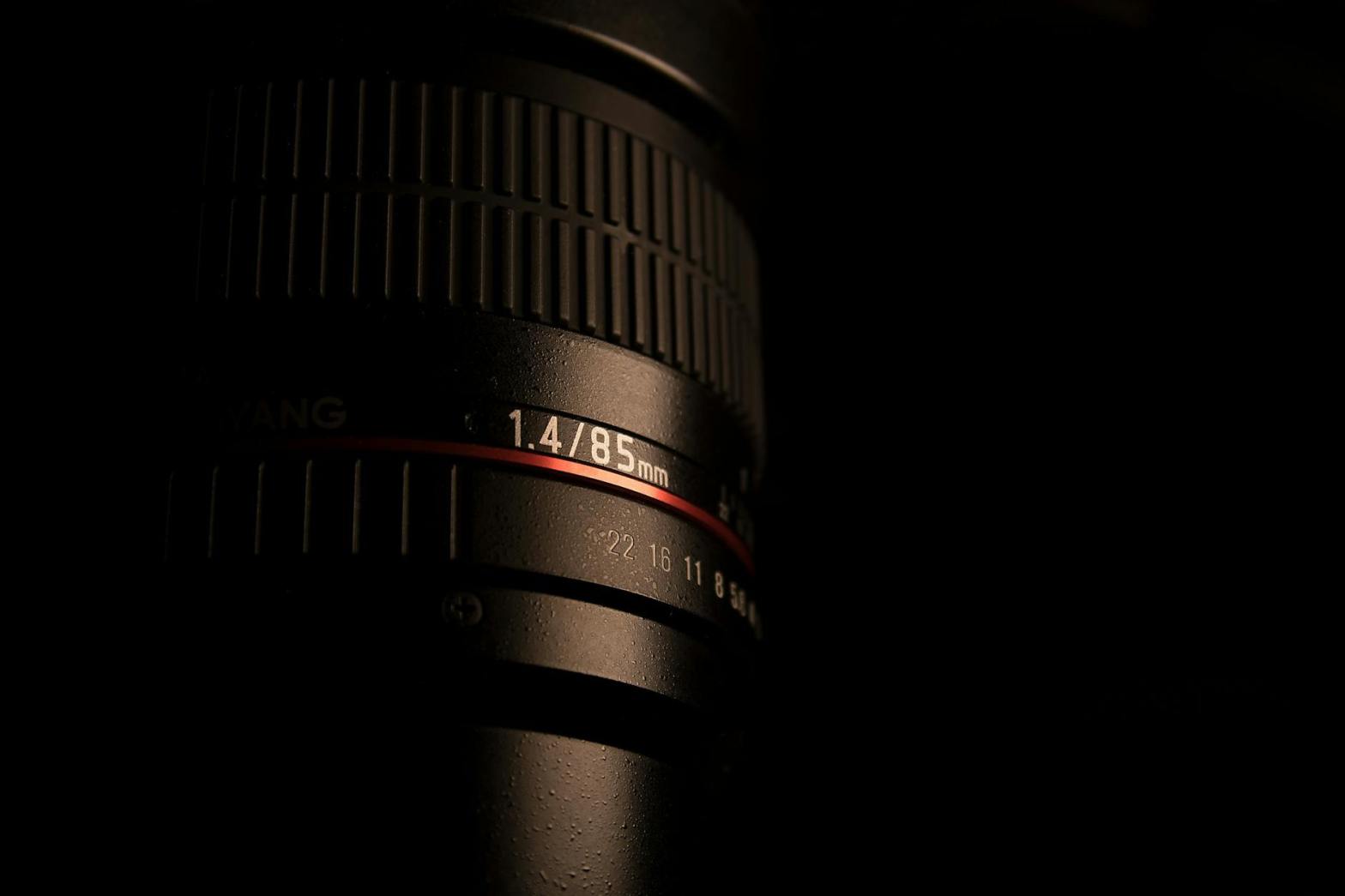
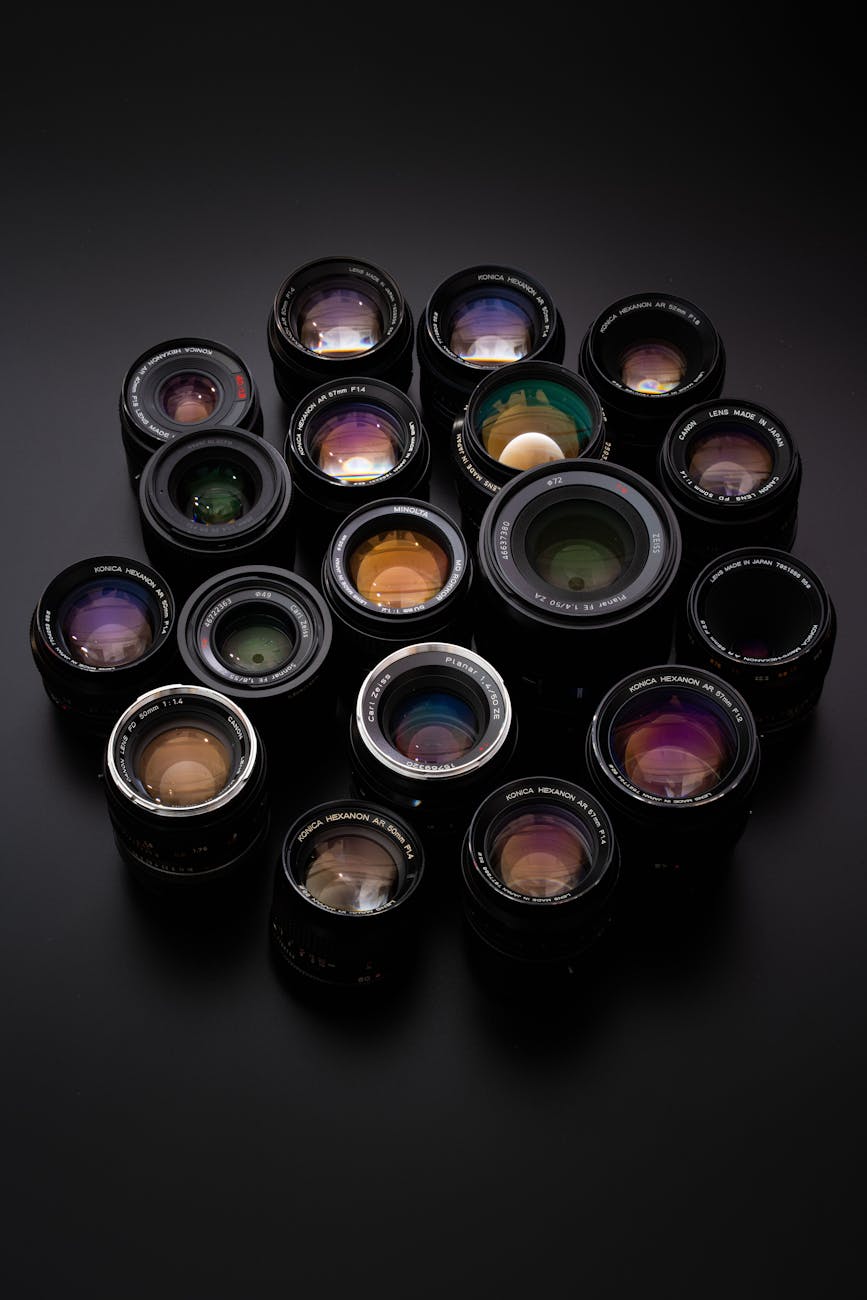
  • Fixed focal length (e.g., 35mm, 50mm, 85mm, 135mm)
  • Typically have wider apertures (e.g., f/1.8, f/1.4, f/1.2)
  • Often superior in sharpness and optical quality compared to zoom lenses

Best For:

  • Portrait photography
  • Low-light conditions
  • Street and documentary photography
  • Creative depth-of-field effects

Advantages:

  • Superior image quality: Because prime lenses have fewer moving parts and a simpler optical structure, they tend to produce sharper images with better contrast and minimal distortion.
  • Faster apertures: The wider apertures available in prime lenses allow for better performance in low light and greater control over depth of field, enabling stunning bokeh (blurred background effects).
  • Lightweight and compact: Prime lenses are generally smaller and lighter than zoom lenses, making them easy to carry and handle.

Popular Prime Lenses and Their Uses:

  • 35mm f/1.8 or f/1.4: Excellent for street and environmental portrait photography. It provides a natural field of view, similar to the human eye.
  • 50mm f/1.8 or f/1.4 (Nifty Fifty): A versatile lens that works well for portraits, everyday photography, and low-light situations.
  • 85mm f/1.4 or f/1.8: Ideal for portraiture due to its flattering perspective and ability to create a creamy background blur.
  • 135mm f/2: Favored by portrait photographers for its stunning subject isolation and beautiful background compression.

Zoom Lenses

Features:

  • Variable focal lengths (e.g., 24-70mm, 70-200mm, 18-135mm)
  • Flexible composition options without the need to change lenses
  • Slightly larger and heavier compared to prime lenses

Best For:

  • Travel photography
  • Event photography (weddings, concerts, journalism)
  • Sports and wildlife photography
  • Everyday versatility

Advantages:

  • Versatility: A zoom lens can cover multiple focal lengths, reducing the need to carry multiple prime lenses.
  • Convenience: Great for dynamic environments where changing lenses frequently isn’t feasible.
  • Composition flexibility: Allows quick framing adjustments without physically moving closer or farther from the subject.

Popular Zoom Lenses and Their Uses:

  • 24-70mm f/2.8: A favorite among professionals for its wide-to-short-telephoto range, excellent for landscapes, portraits, and events.
  • 70-200mm f/2.8: Popular for sports, wildlife, and portrait photography, offering great reach and subject compression.
  • 18-135mm f/3.5-5.6: A versatile all-in-one zoom lens, perfect for beginners or travel photographers who want a single lens solution.
  • 100-400mm f/4.5-5.6: Great for wildlife and sports, offering a long reach with reasonable portability.

Specialty Lenses

Macro Lenses

Features:

  • Designed for extreme close-ups with a high reproduction ratio (typically 1:1)
  • Fixed focal lengths (e.g., 60mm, 90mm, 100mm, 105mm, 180mm)
  • Exceptional sharpness and detail

Best For:

  • Close-up photography of insects, flowers, jewelry, and textures
  • Scientific and medical photography
  • Product photography

Advantages:

  • Unparalleled detail and sharpness
  • Ability to capture subjects at life-size magnification (1:1 ratio)
  • Often feature high-quality optics and coatings for minimizing chromatic aberrations

Popular Macro Lenses and Their Uses:

  • 60mm f/2.8 Macro: Good for general close-up photography with a shorter working distance.
  • 100mm f/2.8 Macro: A popular choice for insect photography due to a more comfortable working distance.
  • 180mm f/3.5 Macro: Offers even more distance from the subject, useful for photographing skittish insects.

Wide-Angle Lenses

Features:

  • Short focal lengths (e.g., 10-24mm, 14mm, 16-35mm)
  • Expands the field of view, allowing more of the scene to be captured
  • Some models have fisheye distortion for creative effects

Best For:

  • Landscape photography
  • Architecture and interior photography
  • Astrophotography

Advantages:

  • Captures expansive scenes with a dramatic perspective
  • Great for storytelling compositions in travel and documentary photography
  • Deep depth of field allows both foreground and background to stay in focus

Popular Wide-Angle Lenses and Their Uses:

  • 16-35mm f/4 or f/2.8: A staple for landscape photographers, offering flexibility in framing.
  • 14mm f/2.8: Great for astrophotography due to its wide field of view and fast aperture.
  • 10-24mm f/4: Popular among architecture and real estate photographers for capturing interiors.

Telephoto Lenses

Features:

  • Long focal lengths (e.g., 70-200mm, 300mm, 400mm, 600mm)
  • Provides magnification for distant subjects
  • Tends to be larger and heavier than standard lenses

Best For:

  • Wildlife photography
  • Sports and action photography
  • Portrait photography (for subject compression)

Advantages:

  • Allows photographers to capture subjects from a distance
  • Creates beautiful background compression for subject isolation
  • Essential for situations where getting physically closer is not possible

Popular Telephoto Lenses and Their Uses:

  • 70-200mm f/2.8: A versatile choice for sports, portraits, and events.
  • 300mm f/4: Offers reach with a more manageable weight for wildlife.
  • 400mm f/2.8: A top choice for professional sports and wildlife photographers.
  • 600mm f/4: Delivers extreme reach for birds and distant wildlife.

Conclusion

Choosing the right lens depends on your photography needs, budget, and creative vision. Prime lenses offer superior image quality and fast apertures, making them excellent for portraits and low-light conditions. Zoom lenses provide versatility and convenience, making them ideal for travel, events, and general photography. Specialty lenses, such as macro, wide-angle, and telephoto, cater to specific photographic genres, allowing photographers to expand their creative possibilities.

Investing in high-quality lenses can significantly enhance your photography and help you achieve professional-level results. Understanding the strengths and applications of each type will enable you to build a lens collection that suits your unique photographic style.

Lens Compatibility

Lens Compatibility: A Key Factor in Learning Digital Photography

When embarking on a journey to master digital photography, one of the most crucial aspects to consider is lens compatibility. While camera bodies come packed with features, the lens you choose can have an even greater impact on the final image. Whether you’re a beginner or an aspiring professional, understanding lens compatibility is essential to making the most of your camera system and unlocking creative possibilities.

Why Lens Compatibility Matters

Unlike point-and-shoot cameras or smartphones with fixed lenses, DSLRs and mirrorless cameras support interchangeable lenses. This ability to swap lenses provides greater flexibility, allowing photographers to capture a variety of scenes, from sweeping landscapes to detailed macro shots. However, not all lenses are compatible with all cameras. Choosing the right lens involves understanding mount types, sensor size considerations, and third-party options.

Camera Mounts and Lens Compatibility

Every camera brand has a specific lens mount, which determines the lenses that can be attached to it. Understanding the different types of mounts is critical:

  • Canon EF/EF-S/RF Mounts: Canon DSLRs use EF and EF-S lenses, while their mirrorless lineup utilizes RF lenses. Some adapters allow EF lenses to be used on RF-mount cameras.
  • Nikon F/Z Mounts: Nikon’s F-mount is used for DSLRs, while their mirrorless cameras use the Z-mount. Like Canon, adapters can bridge the gap between older and newer lens systems.
  • Sony E/FE Mounts: Sony’s mirrorless cameras use the E-mount for APS-C sensors and the FE-mount for full-frame sensors.
  • Micro Four Thirds (MFT): Olympus and Panasonic share the MFT mount, offering a broad selection of compatible lenses across both brands.

Before purchasing a lens, always check that it is compatible with your camera’s mount. Using an adapter can expand lens compatibility but may introduce limitations such as slower autofocus or reduced functionality.

Choosing Lenses Based on Sensor Size

Digital cameras feature different sensor sizes, and the sensor type impacts which lenses will work best. The three most common sensor formats are:

  • Full-Frame Sensors: These sensors use lenses designed specifically for full-frame cameras. They provide the highest image quality and a true focal length equivalent.
  • APS-C Sensors: Cameras with APS-C sensors can use full-frame lenses but may apply a crop factor (typically 1.5x or 1.6x), effectively narrowing the field of view.
  • Micro Four Thirds Sensors: These sensors apply a 2x crop factor, meaning a 50mm lens will behave like a 100mm lens in terms of field of view.

When selecting lenses, consider how the sensor size affects focal length and depth of field. For instance, a 35mm lens on a full-frame camera provides a standard wide-angle view, while on an APS-C camera, it acts more like a 50mm standard lens.

Essential Lens Types for Learning Photography

As you explore digital photography, you’ll encounter various lenses designed for specific types of photography. Here are some of the most important lenses to consider:

  • Standard Prime Lens (50mm f/1.8): A versatile and affordable lens, great for portraits, street photography, and low-light situations.
  • Wide-Angle Lens (16-35mm): Ideal for landscapes, architecture, and interior photography.
  • Telephoto Lens (70-200mm): Perfect for wildlife, sports, and portrait photography with a compressed background.
  • Macro Lens (100mm f/2.8): Designed for extreme close-ups, capturing intricate details in flowers, insects, and small objects.
  • Zoom Lens (24-70mm f/2.8): A high-quality all-around lens that covers wide-angle to short telephoto focal lengths.

Third-Party Lenses: Expanding Your Options

Many photographers rely on third-party lens manufacturers such as Sigma, Tamron, and Tokina. These companies produce lenses compatible with multiple camera brands, often at a lower price than first-party options. Advantages of third-party lenses include:

  • Affordability: Many third-party lenses offer professional-level quality at a fraction of the cost.
  • Unique Features: Some brands introduce specialized features not found in first-party lenses, such as ultra-wide apertures or unique focal lengths.
  • Compatibility with Multiple Brands: Some third-party lenses are available in multiple mounts, making it easier to switch camera brands without repurchasing lenses.

When purchasing a third-party lens, ensure it is designed for your camera’s mount and sensor size to avoid compatibility issues.

Adapting Lenses for Greater Flexibility

Adapters allow photographers to use lenses across different camera systems. For example:

  • Canon EF lenses can be adapted to Canon RF and Sony E-mount cameras.
  • Nikon F-mount lenses can be used on Nikon Z-mount bodies with an adapter.
  • Vintage lenses from film cameras can often be adapted to modern mirrorless cameras, adding a unique character to images.

While adapters increase versatility, they may impact autofocus performance, image stabilization, and electronic communication between the camera and lens.

Conclusion: Choosing the Right Lens System

Lens compatibility plays a crucial role in learning digital photography. The ability to use different lenses expands creative possibilities, enhances image quality, and provides greater flexibility as your skills grow. When selecting a camera, consider the available lenses, third-party support, and adaptability to ensure a future-proof investment in your photography journey. Understanding how lenses interact with sensor sizes, mounts, and adapters will help you make informed choices, allowing you to focus on capturing stunning images.

Sensor Size

Sensor Size: The Key to Image Quality

The sensor is the most crucial component of a camera, responsible for capturing light and converting it into a digital image. The size of the sensor plays a significant role in determining image quality, affecting aspects such as resolution, dynamic range, low-light performance, and depth of field. Understanding sensor sizes is essential when selecting a camera, whether for professional photography, casual shooting, or mobile photography.

The Importance of Sensor Size

A larger sensor can gather more light, which improves image quality in several ways:

  • Better Low-Light Performance: Larger sensors have bigger pixels that can collect more light, reducing noise and improving image clarity in dim environments.
  • Increased Dynamic Range: A larger sensor can capture more details in shadows and highlights, producing richer and more detailed images.
  • Shallower Depth of Field: Bigger sensors make it easier to achieve a blurred background (bokeh), which is often desired for portraits and artistic photography.
  • Higher Resolution Options: Although resolution is determined by the number of megapixels, a larger sensor allows those pixels to be larger, enhancing overall image sharpness and detail.

Common Sensor Sizes

1. Full-Frame Sensors

Full-frame sensors are the gold standard for professional photographers and high-end cameras. Measuring 36mm x 24mm, these sensors are equivalent to 35mm film, providing exceptional image quality and versatility.

Advantages:

  • Superior low-light performance due to larger pixels.
  • Enhanced depth of field control for subject-background separation.
  • Wider field of view compared to smaller sensors when using the same lens.
  • Greater dynamic range for capturing details in highlights and shadows.

Disadvantages:

  • Higher cost compared to smaller sensor cameras.
  • Larger and heavier camera bodies and lenses.
  • Requires more powerful processing and storage due to large image files.

2. APS-C Sensors

APS-C (Advanced Photo System type-C) sensors are found in mid-range DSLRs and mirrorless cameras. These sensors measure approximately 22mm x 15mm, making them smaller than full-frame sensors but still capable of delivering excellent image quality.

Advantages:

  • More affordable than full-frame cameras.
  • Good balance between image quality and portability.
  • Wide selection of lenses available, with a slight telephoto advantage due to the crop factor.
  • Better low-light performance compared to smaller sensors.

Disadvantages:

  • Reduced field of view due to crop factor (typically 1.5x or 1.6x compared to full-frame).
  • Slightly less control over depth of field.
  • Lower dynamic range and low-light performance compared to full-frame.

3. Micro Four Thirds Sensors

Micro Four Thirds (MFT) sensors are commonly used in mirrorless cameras, offering a compact and lightweight option while still delivering high-quality images. Measuring around 17mm x 13mm, these sensors are smaller than APS-C but still larger than smartphone sensors.

Advantages:

  • Compact and lightweight camera bodies and lenses.
  • Excellent image stabilization options in many MFT cameras.
  • Wide range of compatible lenses due to standardized mount.
  • Good balance between image quality and portability.

Disadvantages:

  • Smaller sensor means reduced low-light performance compared to APS-C and full-frame.
  • Increased depth of field (harder to achieve bokeh effects).
  • Some limitations in dynamic range and resolution compared to larger sensors.

4. Smartphone Sensors

Smartphone cameras use the smallest sensors, typically measuring between 6mm x 4mm to 9mm x 7mm. These sensors rely heavily on computational photography to enhance image quality, using AI-based processing to compensate for their small size.

Advantages:

  • Highly portable and always accessible.
  • Computational photography features such as Night Mode, HDR, and AI enhancements improve image quality.
  • Integrated software for quick sharing and editing.
  • Multiple lenses and sensors in some models (wide, telephoto, macro, ultra-wide).

Disadvantages:

  • Small sensors limit low-light performance and dynamic range.
  • Heavy reliance on software-based enhancements instead of optical improvements.
  • Fixed lens systems limit flexibility compared to interchangeable lens cameras.
  • Digital zoom instead of true optical zoom reduces image quality.

Crop Factor and Its Impact

The crop factor is a term used to compare the field of view of smaller sensors to that of a full-frame sensor. It affects the effective focal length of lenses. For example:

  • Full-Frame: No crop factor (1.0x).
  • APS-C: Typically 1.5x or 1.6x crop factor, meaning a 50mm lens acts like a 75mm or 80mm lens.
  • Micro Four Thirds: 2.0x crop factor, meaning a 50mm lens acts like a 100mm lens.
  • Smartphone Sensors: Vary widely, with crop factors often above 5x.

A higher crop factor results in a narrower field of view, which can be advantageous for telephoto shots but limits wide-angle photography.

Choosing the Right Sensor Size

When selecting a camera, it’s important to consider your photography needs and budget. Here are some general guidelines:

  • For Professional Photography: Full-frame sensors offer the best image quality, low-light performance, and depth-of-field control.
  • For Enthusiasts and Hobbyists: APS-C sensors provide a great balance between quality and affordability.
  • For Travel and Everyday Use: Micro Four Thirds sensors allow for compact setups without sacrificing too much quality.
  • For Convenience and Casual Photography: Smartphone cameras are ideal due to their portability and computational enhancements.

The Future of Sensor Technology

Sensor technology continues to evolve, with manufacturers developing innovations to improve performance across all sensor sizes. Some trends include:

  • Stacked Sensor Designs: Faster readout speeds and better dynamic range.
  • Global Shutters: Eliminating rolling shutter effects for better motion capture.
  • AI-Driven Computational Photography: Enhancing image quality through software improvements.
  • Larger Sensors in Smartphones: Closing the gap between mobile and dedicated cameras.

Conclusion

Sensor size plays a vital role in determining a camera’s performance and suitability for different types of photography. While larger sensors generally provide superior image quality, advancements in computational photography are helping smaller sensors bridge the gap. Understanding the strengths and limitations of each sensor type allows photographers to make informed decisions based on their creative and practical needs.

Storytelling Through Photos: Crafting a Visual Narrative

Photography is more than capturing a fleeting moment; it’s about telling a story, evoking emotion, and inviting viewers to connect with a narrative. Storytelling through photos is an art that combines technical expertise with creative vision, bridging the gap between the seen and the felt. This chapter explores how photographers can craft compelling visual narratives, share meaningful stories, and create images that linger in the minds of their audience.


Why Tell Stories Through Photos?

Storytelling in photography serves many purposes:

  1. Emotional Connection: It resonates with viewers, allowing them to feel the emotions behind the scenes.
  2. Narrative Depth: A story engages the viewer, taking them on a journey rather than presenting a single isolated image.
  3. Cultural Preservation: Photos can document traditions, places, and events, preserving them for future generations.
  4. Artistic Expression: A narrative approach to photography transforms technical skill into a deeper art form.

Whether it’s a single image or a cohesive series, storytelling photography invites viewers to look beyond the frame and into the heart of the subject.


Key Elements of Storytelling Photography

1. Subject

The subject is the protagonist of your story. It could be a person, an object, a landscape, or an event.

  • Relatable Subjects: A grandmother’s weathered hands or a child’s joyful expression can evoke universal emotions.
  • Unique Perspectives: Capturing a rarely seen culture or subculture draws curiosity and intrigue.

2. Context

Context is the setting or environment that provides background for the subject.

  • Include visual elements that hint at the time, place, or circumstances.
  • Context enriches the story, turning a simple portrait into a reflection of a life or moment.

3. Emotion

Emotion is the core of storytelling. A successful narrative stirs feelings in the viewer—joy, sadness, nostalgia, or awe.

  • Focus on authentic moments and gestures.
  • Use lighting, composition, and color to enhance emotional impact.

4. Sequence

In multi-photo stories, sequence plays a critical role. The arrangement of images should guide the viewer through the narrative.

  • Start with a strong opener to set the scene.
  • Build tension or complexity in the middle.
  • Conclude with a resolution or powerful final image.

5. Connection

A great photo story draws viewers into the frame. Whether by direct eye contact with the subject or an immersive composition, connection holds their attention and keeps them engaged.


Techniques for Crafting Photo Stories

1. Plan Your Narrative

Before you begin shooting, outline your story. Consider:

  • What message or emotion do you want to convey?
  • Who or what is the subject of your story?
  • Where will the story unfold?
  • What key moments or elements need to be captured?

2. Capture a Range of Shots

A well-rounded photo story often includes three types of shots:

  • Wide Shots: Establish the setting and provide context.
  • Medium Shots: Show interactions, relationships, or group dynamics.
  • Close-Up Shots: Focus on details, emotions, or key elements.

For example, in a story about a street vendor:

  • Wide shots capture the bustling marketplace.
  • Medium shots highlight the vendor interacting with customers.
  • Close-ups showcase hands exchanging money or the vibrant colors of produce.

3. Use Composition Strategically

Strong composition enhances storytelling by directing the viewer’s eye and emphasizing the narrative.

  • Leading Lines: Guide the viewer through the scene.
  • Rule of Thirds: Place key elements off-center for balance.
  • Layering: Add depth by including foreground, midground, and background elements.

4. Play with Lighting

Lighting sets the mood and atmosphere of your story.

  • Golden Hour: Soft, warm light creates a nostalgic or romantic mood.
  • High Contrast: Dramatic shadows and highlights enhance tension.
  • Low Light: Dim conditions convey intimacy or mystery.

5. Focus on Authenticity

Candid moments often tell the most genuine stories. Instead of directing your subjects, observe and capture their natural interactions and expressions.


Types of Stories to Tell Through Photos

1. Personal Stories

Document your own life or that of someone close to you. This could include:

  • Milestones: Birthdays, anniversaries, or graduations.
  • Daily Life: Simple moments like a family dinner or a morning routine.
  • Transformations: A personal journey, such as learning a new skill or recovering from a challenge.

2. Cultural Stories

Explore and share traditions, festivals, or community rituals.

  • Focus on the details that define the culture, such as clothing, food, or architecture.
  • Be respectful and seek permission when photographing private or sacred events.

3. Environmental Stories

Highlight the beauty and fragility of nature.

  • Document ecosystems, wildlife, or natural phenomena.
  • Use your images to raise awareness about environmental conservation.

4. Event Stories

Cover events such as weddings, protests, or concerts.

  • Arrive early to scout the venue and plan your shots.
  • Look for moments of emotion or interaction that capture the event’s essence.

5. Conceptual Stories

Create abstract or imaginative narratives.

  • Use props, costumes, or special effects to build a fictional world.
  • Experiment with symbolic imagery to convey themes like love, fear, or hope.

Examples of Iconic Photo Stories

1. “The Great Depression” by Dorothea Lange

Dorothea Lange’s images, including the famous “Migrant Mother,” documented the struggles of families during the Great Depression. Her storytelling combined raw emotion with striking composition, giving a voice to the voiceless.

2. “A Day in the Life” Series

Photojournalists often create “day in the life” stories, capturing 24 hours in the life of a person or place. This approach provides an intimate glimpse into routines, challenges, and triumphs.

3. Wildlife Stories by National Geographic

Photographers for National Geographic excel at weaving narratives about animals and their habitats. These stories not only showcase stunning visuals but also highlight conservation issues.


Presenting Your Photo Stories

1. Online Platforms

Share your stories on social media, blogs, or photography websites. Platforms like Instagram, Behance, or Medium allow you to combine visuals with written narratives.

2. Photo Books

Compile your images into a photo book, pairing each shot with captions or essays that enrich the story.

3. Exhibitions

Present your series in a gallery or public space. Use print sizes, layouts, and lighting to create an immersive experience.

4. Multimedia Projects

Combine still images with video, audio, or text to create multimedia stories. Tools like Adobe Premiere or Canva can help you craft engaging presentations.


Overcoming Challenges in Storytelling Photography

1. Finding a Story

Look for narratives in everyday life. Simple moments, like a child playing or a café bustling with patrons, can tell profound stories.

2. Gaining Access

For cultural or personal stories, building trust with your subjects is essential. Spend time getting to know them and explain your intentions.

3. Balancing Authenticity and Artistry

While editing can enhance a photo’s impact, avoid manipulating images to the point where they lose authenticity.


Tips for Success

  1. Start Small: Practice with short, simple stories before tackling complex narratives.
  2. Observe and Anticipate: Watch for interactions, gestures, or moments that unfold naturally.
  3. Be Patient: Great stories often require time to develop. Don’t rush the process.
  4. Seek Feedback: Share your work with mentors, peers, or online communities to gain insights and improve.

Conclusion

Storytelling through photos is a powerful way to connect with your audience, convey emotions, and preserve moments that matter. Whether you’re documenting a cultural event, exploring personal narratives, or crafting conceptual tales, the art of storytelling elevates your photography from a technical skill to a meaningful craft.

As you embark on your storytelling journey, remember that every photo has the potential to tell a story—if you’re willing to look closely, plan thoughtfully, and shoot with intention. With practice, patience, and creativity, your images can become windows into worlds, capturing the beauty and complexity of life in ways words cannot.

Themed Series: Focusing on a Specific Subject or Style

A themed photography series is a compelling way to channel your creativity and push the boundaries of your photographic skills. By committing to a particular subject, concept, or style, you gain the opportunity to refine your approach, tell a cohesive story, and present your work with a unifying vision. Whether you’re a beginner looking to explore new ideas or an experienced photographer seeking to deepen your expertise, themed series can be an enriching and transformative project.


What is a Themed Photography Series?

A themed series is a collection of photographs centered around a single concept, subject, or style. Unlike individual images that stand alone, a series creates a narrative or visual cohesion, offering viewers a deeper, more immersive experience. Examples include:

  • Subject-Based Themes: Nature, architecture, or portraits.
  • Conceptual Themes: Emotion, movement, or contrast.
  • Stylistic Themes: Black and white, macro, or minimalism.

The flexibility of a themed series allows you to align the project with your personal interests and photographic goals.


Why Create a Themed Series?

1. Focus and Direction

Themed projects provide a clear purpose and structure, helping you avoid creative stagnation. Instead of wandering aimlessly, you work with intention.

2. Skill Development

Focusing on a single theme enables you to refine specific techniques and experiment with variations on a subject or style.

3. Storytelling Opportunities

A series allows you to explore narratives and concepts in greater depth, capturing nuances that might be overlooked in standalone images.

4. Portfolio Enhancement

A cohesive series can be a powerful addition to your portfolio, showcasing your ability to execute a unified vision.

5. Personal Growth

Themed projects often challenge you to step out of your comfort zone, sparking growth as both a photographer and a creative thinker.


How to Start a Themed Series

1. Choose Your Theme

Selecting a theme is the first and most critical step. Consider the following approaches:

  • Personal Interests: What subjects or styles resonate with you?
  • Challenges: Is there a technique or genre you’ve been eager to explore?
  • Current Trends: What themes are popular or thought-provoking in contemporary photography?
  • Story Ideas: Can you tell a story through your images?

Some popular themes include:

  • Nature’s Seasons
  • Urban Decay
  • Everyday Objects
  • The Human Face
  • Light and Shadow

2. Define Your Scope

Determine the size and duration of your project. Will it be a short-term series of ten images, or a long-term endeavor spanning months? Consider your schedule and goals.

3. Research and Plan

Study other photographers who have created themed series. Analyze what makes their work successful and draw inspiration for your own approach. Planning can involve:

  • Sketching ideas or creating mood boards.
  • Identifying locations, models, or props.
  • Scheduling shoots to align with natural light or seasonal conditions.

4. Establish Consistency

For a series to feel cohesive, maintain consistency in:

  • Style: Stick to a specific color palette, editing technique, or visual mood.
  • Composition: Use recurring patterns, angles, or framing techniques.
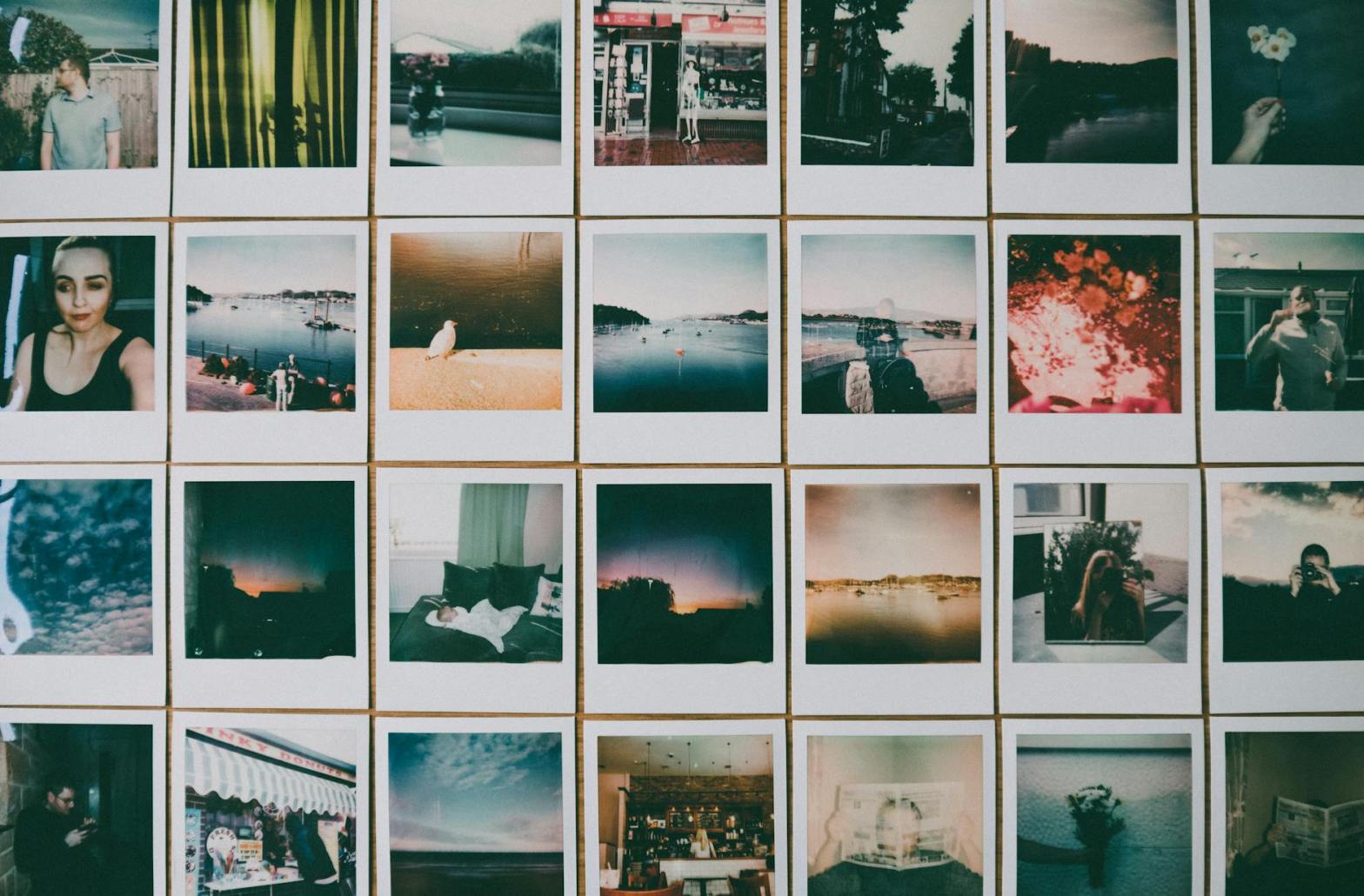
  • Format: Decide if your series will use horizontal, vertical, or square crops.

Exploring Popular Themes

1. Nature and Landscape Themes

  • Changing Seasons: Capture the transformation of landscapes across spring, summer, autumn, and winter.
  • Natural Patterns: Highlight textures in leaves, bark, rocks, or water.
  • Wildlife Focus: Document a particular species or ecosystem.

2. Urban and Street Photography

  • Cityscapes at Night: Experiment with long exposures and city lights.
  • Graffiti and Street Art: Celebrate urban creativity.
  • Human Stories: Capture candid moments that reflect urban life.

3. People and Portraits

  • Cultural Portraits: Explore traditions and lifestyles in a specific community.
  • Emotional Expressions: Focus on capturing raw human emotions.
  • The Aging Process: Document the beauty of faces across different age groups.

4. Abstract and Conceptual Themes

  • Minimalism: Use clean lines and negative space to create striking compositions.
  • Color Studies: Focus on a single color or complementary color pairings.
  • Reflections: Explore how mirrors, water, or glass distort and transform reality.

Techniques for Capturing Themed Series

1. Experiment with Composition

Within your theme, vary your framing to add visual interest. For example:

  • Use close-ups and wide shots.
  • Play with symmetry and asymmetry.
  • Incorporate leading lines and patterns.

2. Master Lighting

Lighting can unify your series or add depth to your theme:

  • For dramatic themes, use strong shadows or chiaroscuro lighting.
  • For softer themes, opt for natural light or diffused artificial light.

3. Explore Perspectives

Challenge yourself to shoot from unconventional angles:

  • Shoot from above or below your subject.
  • Incorporate reflections or distortions.

4. Edit Thoughtfully

Post-processing is vital for thematic cohesion. Use consistent editing techniques, such as:

  • Applying the same filter or preset to all images.
  • Maintaining uniform contrast, saturation, and sharpness.
  • Emphasizing the theme with selective adjustments, such as desaturating all but one color.

Telling a Story Through a Themed Series

1. Identify the Narrative

Decide what story you want to tell and how your theme supports it. For example:

  • A series on urban decay could explore themes of time, neglect, and renewal.
  • A portrait series might chronicle the daily lives of people in a specific profession.

2. Sequence Your Images

Arrange your photos to create a logical flow or emotional arc. Options include:

  • Chronological Order: Follow a timeline of events or changes.
  • Thematic Grouping: Cluster images by sub-themes or visual similarities.
  • Contrast and Surprise: Juxtapose opposing elements for impact.

3. Add Context

Provide titles, captions, or brief explanations to deepen the viewer’s understanding of your series.


Showcasing Your Themed Series

1. Online Platforms

Use photography websites, social media, or personal blogs to share your series. Platforms like Instagram, Behance, or 500px are particularly effective.

2. Physical Displays

Print your series for exhibitions, gallery shows, or personal portfolios. High-quality prints emphasize the artistry of your work.

3. Photo Books

Compile your series into a photo book, pairing images with narratives or commentary.

4. Competitions and Submissions

Submit your series to photography contests, magazines, or online galleries. Many organizations seek thematic work for features and awards.


Overcoming Challenges in Themed Series

1. Maintaining Motivation

Sticking to a theme can feel restrictive over time. Keep your enthusiasm alive by:

  • Taking occasional breaks.
  • Collaborating with other photographers.
  • Revisiting your theme from new perspectives.

2. Avoiding Repetition

Prevent your series from feeling monotonous by:

  • Experimenting with different techniques or styles within your theme.
  • Incorporating diverse settings, subjects, or props.

3. Balancing Cohesion and Variety

Strive for a balance between consistency and creative diversity. While your series should feel unified, each image should stand out on its own.


Celebrating Your Achievement

Completing a themed series is an accomplishment worth celebrating. Take time to reflect on:

  • What you learned about photography and storytelling.
  • How your technical and creative skills evolved.
  • The new perspectives or connections you gained.

Share your success with your audience and consider your next project. Perhaps your themed series has sparked an idea for a related subject or style to explore further.


Conclusion

A themed photography series is both a challenge and an opportunity—a chance to delve deeply into a subject, refine your artistic vision, and create something truly meaningful. By focusing on a specific theme, you not only develop as a photographer but also invite your audience to see the world through your unique lens.

Whether you choose to document the beauty of everyday objects, explore the emotions behind human expressions, or capture the fleeting moments of nature, a themed series offers endless possibilities for creative growth and storytelling. So pick a theme, grab your camera, and embark on a journey that promises to enrich both your skills and your perspective.

The 365 Days Project: A Yearlong Journey in Photography

Embarking on a 365 Days Photography Project is a transformative experience for photographers of all skill levels. This ambitious project involves capturing and sharing one photo every day for an entire year. It’s not just a test of commitment but also a journey of creative growth, technical improvement, and self-expression. Whether you’re looking to refine your skills, explore new techniques, or develop a personal style, the 365 Days Project can be a powerful catalyst for growth.


Why Take on the 365 Days Project?

Before diving into the logistics of the project, it’s important to understand its benefits. A yearlong photography challenge offers:

  1. Skill Improvement: Repeated practice is the key to mastery. Daily photography forces you to experiment with settings, composition, and lighting, sharpening your technical skills.
  2. Creative Growth: With 365 opportunities to tell a story, you’ll find yourself thinking outside the box to capture something fresh and compelling each day.
  3. Consistency: Building a creative habit fosters discipline and makes photography a natural part of your routine.
  4. A Visual Diary: At the end of the year, you’ll have a stunning collection of images documenting your life and growth as a photographer.
  5. Community Engagement: Sharing your journey online can connect you with other photographers and enthusiasts who provide encouragement and feedback.

Setting Yourself Up for Success

Define Your Goals

Before starting the 365 Days Project, clarify what you hope to achieve. Do you want to improve your technical skills? Develop a specific style? Experiment with a new genre? Knowing your objectives will help guide your creative choices throughout the year.

Choose Your Platform

Decide where you’ll showcase your daily photos. Popular platforms include:

  • Instagram: Ideal for visual storytelling with hashtags to expand your reach.
  • Flickr or 500px: Great for connecting with other photography enthusiasts.
  • A Personal Blog: Provides more space to share stories behind your photos.
  • Dedicated Apps: Apps like “365 Photo” help track and organize your project.

Plan for Challenges

Life gets busy, and there will be days when finding time for photography feels impossible. To stay on track:

  • Pre-plan photos for especially busy days.
  • Carry your camera (or smartphone) everywhere.
  • Set realistic expectations for yourself. Some days may yield simpler photos, and that’s okay.

Creative Approaches to the 365 Days Project

To keep your project fresh and engaging, consider incorporating themes, techniques, or challenges. Here are some ideas to inspire you:

1. Weekly Themes

Assign a theme to each week to focus your creativity. Themes could include:

  • Nature: Flowers, landscapes, or weather phenomena.
  • Architecture: Buildings, patterns, and urban scenes.
  • Portraits: Experiment with self-portraits or candid shots of others.
  • Colors: Highlight a specific color or palette each week.

2. Daily Prompts

Follow a list of daily prompts for guidance. Prompts like “reflection,” “motion,” or “contrast” spark ideas and encourage experimentation. You can find pre-made lists online or create your own.

3. Storytelling Through Series

Develop mini-series within your project, such as:

  • A week of black-and-white images.
  • A focus on hands, feet, or other unique perspectives.
  • Capturing different moods (joy, melancholy, anticipation).

4. Experiment with Techniques

Use the project as an opportunity to practice different skills:

  • Long exposures for light trails or water effects.
  • Macro photography to explore intricate details.
  • Low-light photography to master challenging conditions.

Tips for Staying Motivated

Start Small

The thought of producing 365 photos can feel overwhelming. Break it down into manageable chunks by focusing on completing one week at a time.

Build a Routine

Incorporate photography into your daily schedule. Whether it’s a morning walk, a lunch break session, or evening reflections, consistency helps build the habit.

Embrace Imperfection

Not every photo will be a masterpiece, and that’s okay. The goal is progress, not perfection. Learn from your less successful shots and celebrate your victories.

Connect with a Community

Join a group of photographers participating in similar challenges. Sharing your work and seeing others’ projects can provide inspiration and accountability.

Reflect Regularly

Every month, take time to review your photos. Identify patterns, note improvements, and set new goals for the coming weeks.


Technical Considerations

Gear

You don’t need a professional camera to participate. Use whatever gear is accessible and comfortable for you, whether it’s a DSLR, mirrorless camera, or smartphone.

Post-Processing

Editing can elevate your photos and help maintain consistency in your project. Experiment with software like Lightroom, Snapseed, or VSCO to enhance colors, lighting, and composition.

File Organization

With 365 images, keeping files organized is crucial. Create a folder for your project and label images by date or theme. Cloud storage or an external hard drive ensures your work is safely backed up.


Learning Opportunities Along the Way

The 365 Days Project is a yearlong classroom where every photo offers a lesson. Here’s what you might discover:

Improving Composition

Daily practice sharpens your eye for framing, leading lines, and balance. Over time, these elements become second nature.

Mastering Light

Whether it’s the golden hour, harsh midday sun, or artificial lighting, you’ll gain a deeper understanding of how light shapes an image.

Discovering Your Style

As you experiment with subjects, techniques, and editing, a personal style often begins to emerge—a hallmark of a confident photographer.


Celebrating Your Progress

Share Milestones

Highlight key moments in your journey, such as the 100th photo or a particularly meaningful image. Sharing these milestones can inspire and motivate others.

Create a Year-End Showcase

At the end of the project, compile your favorite photos into a portfolio, slideshow, or photo book. Seeing your growth documented over the year is immensely rewarding.

Reflect on the Experience

Ask yourself:

  • What did you learn about photography?
  • How have you grown as a creative individual?
  • What challenges did you overcome, and how did they shape you?

Success Stories and Inspirations

Many photographers credit the 365 Days Project with launching their careers or reigniting their passion for the art form. Examples include:

  • Jordan Matter: His daily street portraits evolved into a bestselling book.
  • 365 Projects on Flickr: Countless photographers have shared stunning collections, proving the challenge’s creative potential.

Conclusion

The 365 Days Project is more than a photography challenge—it’s a transformative journey that pushes you to grow, adapt, and explore. By committing to this yearlong endeavor, you’ll develop technical skills, unlock your creativity, and document a unique slice of your life.

While the road may be demanding, the rewards of completing the 365 Days Project are unparalleled. So grab your camera, take that first photo, and embark on a journey that will forever change the way you see the world.