Storytelling Through Photos: Crafting a Visual Narrative

Photography is more than capturing a fleeting moment; it’s about telling a story, evoking emotion, and inviting viewers to connect with a narrative. Storytelling through photos is an art that combines technical expertise with creative vision, bridging the gap between the seen and the felt. This chapter explores how photographers can craft compelling visual narratives, share meaningful stories, and create images that linger in the minds of their audience.


Why Tell Stories Through Photos?

Storytelling in photography serves many purposes:

  1. Emotional Connection: It resonates with viewers, allowing them to feel the emotions behind the scenes.
  2. Narrative Depth: A story engages the viewer, taking them on a journey rather than presenting a single isolated image.
  3. Cultural Preservation: Photos can document traditions, places, and events, preserving them for future generations.
  4. Artistic Expression: A narrative approach to photography transforms technical skill into a deeper art form.

Whether it’s a single image or a cohesive series, storytelling photography invites viewers to look beyond the frame and into the heart of the subject.


Key Elements of Storytelling Photography

1. Subject

The subject is the protagonist of your story. It could be a person, an object, a landscape, or an event.

  • Relatable Subjects: A grandmother’s weathered hands or a child’s joyful expression can evoke universal emotions.
  • Unique Perspectives: Capturing a rarely seen culture or subculture draws curiosity and intrigue.

2. Context

Context is the setting or environment that provides background for the subject.

  • Include visual elements that hint at the time, place, or circumstances.
  • Context enriches the story, turning a simple portrait into a reflection of a life or moment.

3. Emotion

Emotion is the core of storytelling. A successful narrative stirs feelings in the viewer—joy, sadness, nostalgia, or awe.

  • Focus on authentic moments and gestures.
  • Use lighting, composition, and color to enhance emotional impact.

4. Sequence

In multi-photo stories, sequence plays a critical role. The arrangement of images should guide the viewer through the narrative.

  • Start with a strong opener to set the scene.
  • Build tension or complexity in the middle.
  • Conclude with a resolution or powerful final image.

5. Connection

A great photo story draws viewers into the frame. Whether by direct eye contact with the subject or an immersive composition, connection holds their attention and keeps them engaged.


Techniques for Crafting Photo Stories

1. Plan Your Narrative

Before you begin shooting, outline your story. Consider:

  • What message or emotion do you want to convey?
  • Who or what is the subject of your story?
  • Where will the story unfold?
  • What key moments or elements need to be captured?

2. Capture a Range of Shots

A well-rounded photo story often includes three types of shots:

  • Wide Shots: Establish the setting and provide context.
  • Medium Shots: Show interactions, relationships, or group dynamics.
  • Close-Up Shots: Focus on details, emotions, or key elements.

For example, in a story about a street vendor:

  • Wide shots capture the bustling marketplace.
  • Medium shots highlight the vendor interacting with customers.
  • Close-ups showcase hands exchanging money or the vibrant colors of produce.

3. Use Composition Strategically

Strong composition enhances storytelling by directing the viewer’s eye and emphasizing the narrative.

  • Leading Lines: Guide the viewer through the scene.
  • Rule of Thirds: Place key elements off-center for balance.
  • Layering: Add depth by including foreground, midground, and background elements.

4. Play with Lighting

Lighting sets the mood and atmosphere of your story.

  • Golden Hour: Soft, warm light creates a nostalgic or romantic mood.
  • High Contrast: Dramatic shadows and highlights enhance tension.
  • Low Light: Dim conditions convey intimacy or mystery.

5. Focus on Authenticity

Candid moments often tell the most genuine stories. Instead of directing your subjects, observe and capture their natural interactions and expressions.


Types of Stories to Tell Through Photos

1. Personal Stories

Document your own life or that of someone close to you. This could include:

  • Milestones: Birthdays, anniversaries, or graduations.
  • Daily Life: Simple moments like a family dinner or a morning routine.
  • Transformations: A personal journey, such as learning a new skill or recovering from a challenge.

2. Cultural Stories

Explore and share traditions, festivals, or community rituals.

  • Focus on the details that define the culture, such as clothing, food, or architecture.
  • Be respectful and seek permission when photographing private or sacred events.

3. Environmental Stories

Highlight the beauty and fragility of nature.

  • Document ecosystems, wildlife, or natural phenomena.
  • Use your images to raise awareness about environmental conservation.

4. Event Stories

Cover events such as weddings, protests, or concerts.

  • Arrive early to scout the venue and plan your shots.
  • Look for moments of emotion or interaction that capture the event’s essence.

5. Conceptual Stories

Create abstract or imaginative narratives.

  • Use props, costumes, or special effects to build a fictional world.
  • Experiment with symbolic imagery to convey themes like love, fear, or hope.

Examples of Iconic Photo Stories

1. “The Great Depression” by Dorothea Lange

Dorothea Lange’s images, including the famous “Migrant Mother,” documented the struggles of families during the Great Depression. Her storytelling combined raw emotion with striking composition, giving a voice to the voiceless.

2. “A Day in the Life” Series

Photojournalists often create “day in the life” stories, capturing 24 hours in the life of a person or place. This approach provides an intimate glimpse into routines, challenges, and triumphs.

3. Wildlife Stories by National Geographic

Photographers for National Geographic excel at weaving narratives about animals and their habitats. These stories not only showcase stunning visuals but also highlight conservation issues.


Presenting Your Photo Stories

1. Online Platforms

Share your stories on social media, blogs, or photography websites. Platforms like Instagram, Behance, or Medium allow you to combine visuals with written narratives.

2. Photo Books

Compile your images into a photo book, pairing each shot with captions or essays that enrich the story.

3. Exhibitions

Present your series in a gallery or public space. Use print sizes, layouts, and lighting to create an immersive experience.

4. Multimedia Projects

Combine still images with video, audio, or text to create multimedia stories. Tools like Adobe Premiere or Canva can help you craft engaging presentations.


Overcoming Challenges in Storytelling Photography

1. Finding a Story

Look for narratives in everyday life. Simple moments, like a child playing or a café bustling with patrons, can tell profound stories.

2. Gaining Access

For cultural or personal stories, building trust with your subjects is essential. Spend time getting to know them and explain your intentions.

3. Balancing Authenticity and Artistry

While editing can enhance a photo’s impact, avoid manipulating images to the point where they lose authenticity.


Tips for Success

  1. Start Small: Practice with short, simple stories before tackling complex narratives.
  2. Observe and Anticipate: Watch for interactions, gestures, or moments that unfold naturally.
  3. Be Patient: Great stories often require time to develop. Don’t rush the process.
  4. Seek Feedback: Share your work with mentors, peers, or online communities to gain insights and improve.

Conclusion

Storytelling through photos is a powerful way to connect with your audience, convey emotions, and preserve moments that matter. Whether you’re documenting a cultural event, exploring personal narratives, or crafting conceptual tales, the art of storytelling elevates your photography from a technical skill to a meaningful craft.

As you embark on your storytelling journey, remember that every photo has the potential to tell a story—if you’re willing to look closely, plan thoughtfully, and shoot with intention. With practice, patience, and creativity, your images can become windows into worlds, capturing the beauty and complexity of life in ways words cannot.
Themed Series: Focusing on a Specific Subject or Style

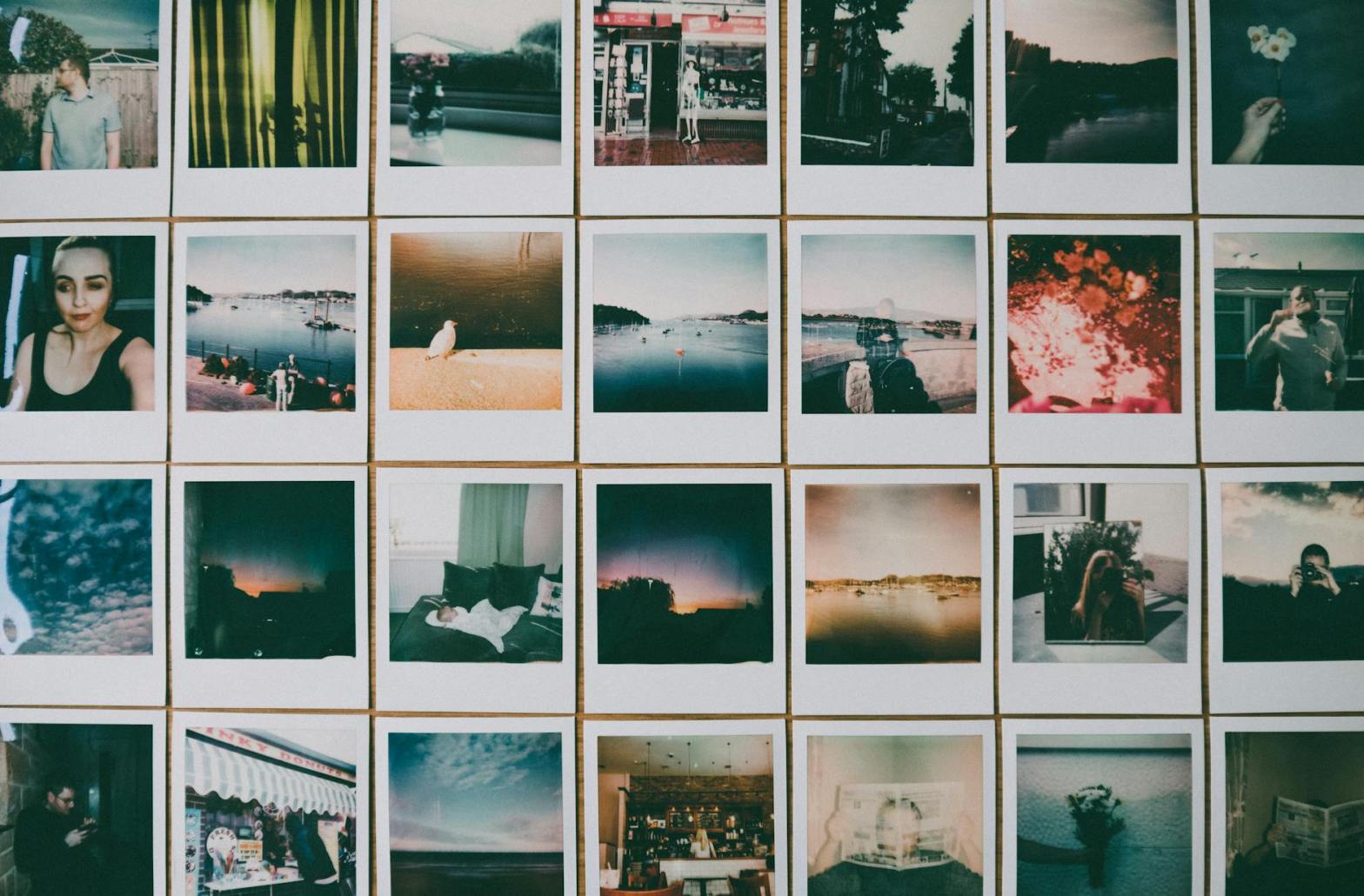
A themed photography series is a compelling way to channel your creativity and push the boundaries of your photographic skills. By committing to a particular subject, concept, or style, you gain the opportunity to refine your approach, tell a cohesive story, and present your work with a unifying vision. Whether you’re a beginner looking to explore new ideas or an experienced photographer seeking to deepen your expertise, themed series can be an enriching and transformative project.


What is a Themed Photography Series?

A themed series is a collection of photographs centered around a single concept, subject, or style. Unlike individual images that stand alone, a series creates a narrative or visual cohesion, offering viewers a deeper, more immersive experience. Examples include:

  • Subject-Based Themes: Nature, architecture, or portraits.
  • Conceptual Themes: Emotion, movement, or contrast.
  • Stylistic Themes: Black and white, macro, or minimalism.

The flexibility of a themed series allows you to align the project with your personal interests and photographic goals.


Why Create a Themed Series?

1. Focus and Direction

Themed projects provide a clear purpose and structure, helping you avoid creative stagnation. Instead of wandering aimlessly, you work with intention.

2. Skill Development

Focusing on a single theme enables you to refine specific techniques and experiment with variations on a subject or style.

3. Storytelling Opportunities

A series allows you to explore narratives and concepts in greater depth, capturing nuances that might be overlooked in standalone images.

4. Portfolio Enhancement

A cohesive series can be a powerful addition to your portfolio, showcasing your ability to execute a unified vision.

5. Personal Growth

Themed projects often challenge you to step out of your comfort zone, sparking growth as both a photographer and a creative thinker.


How to Start a Themed Series

1. Choose Your Theme

Selecting a theme is the first and most critical step. Consider the following approaches:

  • Personal Interests: What subjects or styles resonate with you?
  • Challenges: Is there a technique or genre you’ve been eager to explore?
  • Current Trends: What themes are popular or thought-provoking in contemporary photography?
  • Story Ideas: Can you tell a story through your images?

Some popular themes include:

  • Nature’s Seasons
  • Urban Decay
  • Everyday Objects
  • The Human Face
  • Light and Shadow

2. Define Your Scope

Determine the size and duration of your project. Will it be a short-term series of ten images, or a long-term endeavor spanning months? Consider your schedule and goals.

3. Research and Plan

Study other photographers who have created themed series. Analyze what makes their work successful and draw inspiration for your own approach. Planning can involve:

  • Sketching ideas or creating mood boards.
  • Identifying locations, models, or props.
  • Scheduling shoots to align with natural light or seasonal conditions.

4. Establish Consistency

For a series to feel cohesive, maintain consistency in:

  • Style: Stick to a specific color palette, editing technique, or visual mood.
  • Composition: Use recurring patterns, angles, or framing techniques.
  • Format: Decide if your series will use horizontal, vertical, or square crops.

Exploring Popular Themes

1. Nature and Landscape Themes

  • Changing Seasons: Capture the transformation of landscapes across spring, summer, autumn, and winter.
  • Natural Patterns: Highlight textures in leaves, bark, rocks, or water.
  • Wildlife Focus: Document a particular species or ecosystem.

2. Urban and Street Photography

  • Cityscapes at Night: Experiment with long exposures and city lights.
  • Graffiti and Street Art: Celebrate urban creativity.
  • Human Stories: Capture candid moments that reflect urban life.

3. People and Portraits

  • Cultural Portraits: Explore traditions and lifestyles in a specific community.
  • Emotional Expressions: Focus on capturing raw human emotions.
  • The Aging Process: Document the beauty of faces across different age groups.

4. Abstract and Conceptual Themes

  • Minimalism: Use clean lines and negative space to create striking compositions.
  • Color Studies: Focus on a single color or complementary color pairings.
  • Reflections: Explore how mirrors, water, or glass distort and transform reality.

Techniques for Capturing Themed Series

1. Experiment with Composition

Within your theme, vary your framing to add visual interest. For example:

  • Use close-ups and wide shots.
  • Play with symmetry and asymmetry.
  • Incorporate leading lines and patterns.

2. Master Lighting

Lighting can unify your series or add depth to your theme:

  • For dramatic themes, use strong shadows or chiaroscuro lighting.
  • For softer themes, opt for natural light or diffused artificial light.

3. Explore Perspectives

Challenge yourself to shoot from unconventional angles:

  • Shoot from above or below your subject.
  • Incorporate reflections or distortions.

4. Edit Thoughtfully

Post-processing is vital for thematic cohesion. Use consistent editing techniques, such as:

  • Applying the same filter or preset to all images.
  • Maintaining uniform contrast, saturation, and sharpness.
  • Emphasizing the theme with selective adjustments, such as desaturating all but one color.

Telling a Story Through a Themed Series

1. Identify the Narrative

Decide what story you want to tell and how your theme supports it. For example:

  • A series on urban decay could explore themes of time, neglect, and renewal.
  • A portrait series might chronicle the daily lives of people in a specific profession.

2. Sequence Your Images

Arrange your photos to create a logical flow or emotional arc. Options include:

  • Chronological Order: Follow a timeline of events or changes.
  • Thematic Grouping: Cluster images by sub-themes or visual similarities.
  • Contrast and Surprise: Juxtapose opposing elements for impact.

3. Add Context

Provide titles, captions, or brief explanations to deepen the viewer’s understanding of your series.


Showcasing Your Themed Series

1. Online Platforms

Use photography websites, social media, or personal blogs to share your series. Platforms like Instagram, Behance, or 500px are particularly effective.

2. Physical Displays

Print your series for exhibitions, gallery shows, or personal portfolios. High-quality prints emphasize the artistry of your work.

3. Photo Books

Compile your series into a photo book, pairing images with narratives or commentary.

4. Competitions and Submissions

Submit your series to photography contests, magazines, or online galleries. Many organizations seek thematic work for features and awards.


Overcoming Challenges in Themed Series

1. Maintaining Motivation

Sticking to a theme can feel restrictive over time. Keep your enthusiasm alive by:

  • Taking occasional breaks.
  • Collaborating with other photographers.
  • Revisiting your theme from new perspectives.

2. Avoiding Repetition

Prevent your series from feeling monotonous by:

  • Experimenting with different techniques or styles within your theme.
  • Incorporating diverse settings, subjects, or props.

3. Balancing Cohesion and Variety

Strive for a balance between consistency and creative diversity. While your series should feel unified, each image should stand out on its own.


Celebrating Your Achievement

Completing a themed series is an accomplishment worth celebrating. Take time to reflect on:

  • What you learned about photography and storytelling.
  • How your technical and creative skills evolved.
  • The new perspectives or connections you gained.

Share your success with your audience and consider your next project. Perhaps your themed series has sparked an idea for a related subject or style to explore further.


Conclusion

A themed photography series is both a challenge and an opportunity—a chance to delve deeply into a subject, refine your artistic vision, and create something truly meaningful. By focusing on a specific theme, you not only develop as a photographer but also invite your audience to see the world through your unique lens.

Whether you choose to document the beauty of everyday objects, explore the emotions behind human expressions, or capture the fleeting moments of nature, a themed series offers endless possibilities for creative growth and storytelling. So pick a theme, grab your camera, and embark on a journey that promises to enrich both your skills and your perspective.

The 365 Days Project: A Yearlong Journey in Photography

Embarking on a 365 Days Photography Project is a transformative experience for photographers of all skill levels. This ambitious project involves capturing and sharing one photo every day for an entire year. It’s not just a test of commitment but also a journey of creative growth, technical improvement, and self-expression. Whether you’re looking to refine your skills, explore new techniques, or develop a personal style, the 365 Days Project can be a powerful catalyst for growth.


Why Take on the 365 Days Project?

Before diving into the logistics of the project, it’s important to understand its benefits. A yearlong photography challenge offers:

  1. Skill Improvement: Repeated practice is the key to mastery. Daily photography forces you to experiment with settings, composition, and lighting, sharpening your technical skills.
  2. Creative Growth: With 365 opportunities to tell a story, you’ll find yourself thinking outside the box to capture something fresh and compelling each day.
  3. Consistency: Building a creative habit fosters discipline and makes photography a natural part of your routine.
  4. A Visual Diary: At the end of the year, you’ll have a stunning collection of images documenting your life and growth as a photographer.
  5. Community Engagement: Sharing your journey online can connect you with other photographers and enthusiasts who provide encouragement and feedback.

Setting Yourself Up for Success

Define Your Goals

Before starting the 365 Days Project, clarify what you hope to achieve. Do you want to improve your technical skills? Develop a specific style? Experiment with a new genre? Knowing your objectives will help guide your creative choices throughout the year.

Choose Your Platform

Decide where you’ll showcase your daily photos. Popular platforms include:

  • Instagram: Ideal for visual storytelling with hashtags to expand your reach.
  • Flickr or 500px: Great for connecting with other photography enthusiasts.
  • A Personal Blog: Provides more space to share stories behind your photos.
  • Dedicated Apps: Apps like “365 Photo” help track and organize your project.

Plan for Challenges

Life gets busy, and there will be days when finding time for photography feels impossible. To stay on track:

  • Pre-plan photos for especially busy days.
  • Carry your camera (or smartphone) everywhere.
  • Set realistic expectations for yourself. Some days may yield simpler photos, and that’s okay.

Creative Approaches to the 365 Days Project

To keep your project fresh and engaging, consider incorporating themes, techniques, or challenges. Here are some ideas to inspire you:

1. Weekly Themes

Assign a theme to each week to focus your creativity. Themes could include:

  • Nature: Flowers, landscapes, or weather phenomena.
  • Architecture: Buildings, patterns, and urban scenes.
  • Portraits: Experiment with self-portraits or candid shots of others.
  • Colors: Highlight a specific color or palette each week.

2. Daily Prompts

Follow a list of daily prompts for guidance. Prompts like “reflection,” “motion,” or “contrast” spark ideas and encourage experimentation. You can find pre-made lists online or create your own.

3. Storytelling Through Series

Develop mini-series within your project, such as:

  • A week of black-and-white images.
  • A focus on hands, feet, or other unique perspectives.
  • Capturing different moods (joy, melancholy, anticipation).

4. Experiment with Techniques

Use the project as an opportunity to practice different skills:

  • Long exposures for light trails or water effects.
  • Macro photography to explore intricate details.
  • Low-light photography to master challenging conditions.

Tips for Staying Motivated

Start Small

The thought of producing 365 photos can feel overwhelming. Break it down into manageable chunks by focusing on completing one week at a time.

Build a Routine

Incorporate photography into your daily schedule. Whether it’s a morning walk, a lunch break session, or evening reflections, consistency helps build the habit.

Embrace Imperfection

Not every photo will be a masterpiece, and that’s okay. The goal is progress, not perfection. Learn from your less successful shots and celebrate your victories.

Connect with a Community

Join a group of photographers participating in similar challenges. Sharing your work and seeing others’ projects can provide inspiration and accountability.

Reflect Regularly

Every month, take time to review your photos. Identify patterns, note improvements, and set new goals for the coming weeks.


Technical Considerations

Gear

You don’t need a professional camera to participate. Use whatever gear is accessible and comfortable for you, whether it’s a DSLR, mirrorless camera, or smartphone.

Post-Processing

Editing can elevate your photos and help maintain consistency in your project. Experiment with software like Lightroom, Snapseed, or VSCO to enhance colors, lighting, and composition.

File Organization

With 365 images, keeping files organized is crucial. Create a folder for your project and label images by date or theme. Cloud storage or an external hard drive ensures your work is safely backed up.


Learning Opportunities Along the Way

The 365 Days Project is a yearlong classroom where every photo offers a lesson. Here’s what you might discover:

Improving Composition

Daily practice sharpens your eye for framing, leading lines, and balance. Over time, these elements become second nature.

Mastering Light

Whether it’s the golden hour, harsh midday sun, or artificial lighting, you’ll gain a deeper understanding of how light shapes an image.

Discovering Your Style

As you experiment with subjects, techniques, and editing, a personal style often begins to emerge—a hallmark of a confident photographer.


Celebrating Your Progress

Share Milestones

Highlight key moments in your journey, such as the 100th photo or a particularly meaningful image. Sharing these milestones can inspire and motivate others.

Create a Year-End Showcase

At the end of the project, compile your favorite photos into a portfolio, slideshow, or photo book. Seeing your growth documented over the year is immensely rewarding.

Reflect on the Experience

Ask yourself:

  • What did you learn about photography?
  • How have you grown as a creative individual?
  • What challenges did you overcome, and how did they shape you?

Success Stories and Inspirations

Many photographers credit the 365 Days Project with launching their careers or reigniting their passion for the art form. Examples include:

  • Jordan Matter: His daily street portraits evolved into a bestselling book.
  • 365 Projects on Flickr: Countless photographers have shared stunning collections, proving the challenge’s creative potential.

Conclusion

The 365 Days Project is more than a photography challenge—it’s a transformative journey that pushes you to grow, adapt, and explore. By committing to this yearlong endeavor, you’ll develop technical skills, unlock your creativity, and document a unique slice of your life.

While the road may be demanding, the rewards of completing the 365 Days Project are unparalleled. So grab your camera, take that first photo, and embark on a journey that will forever change the way you see the world.

Building a Portfolio – Selecting Your Best Work

In the journey of photography, building a compelling portfolio is a pivotal step. Your portfolio is more than just a collection of photos; it’s a showcase of your talent, creativity, and unique perspective. Whether you’re an aspiring professional or an enthusiastic hobbyist, curating and presenting your best work can open doors to new opportunities and establish your presence in the photography world.

This guide dives into the art and strategy of selecting your best work, ensuring your portfolio stands out and resonates with your intended audience.


Why Your Portfolio Matters

A portfolio serves as your visual resume. It communicates who you are as a photographer, your style, and your technical proficiency. Here’s why it’s crucial:

  • Professional Opportunities: A strong portfolio attracts potential clients, galleries, and collaborators.
  • Creative Identity: It helps define and reinforce your artistic voice.
  • Continuous Growth: The process of curating your work pushes you to evaluate and improve your skills.

1. Define Your Goals and Audience

Before selecting your best work, clarify the purpose of your portfolio. Ask yourself:

  • What is the goal? Are you seeking clients, applying for exhibitions, or showcasing your personal projects?
  • Who is your audience? Understanding whether your audience is art directors, potential clients, or fellow artists will influence the type of work you include.

For example:

  • Commercial Photography: Include technically perfect images showcasing versatility and storytelling.
  • Fine Art Photography: Focus on conceptual depth and aesthetic coherence.
  • Event Photography: Highlight your ability to capture emotions and candid moments.

2. Review Your Entire Collection

Start by gathering all your work. This step is crucial for identifying hidden gems and patterns that might not be immediately apparent.

Tips for Reviewing:

  • Be Objective: Try to detach yourself emotionally from the images. What matters is how they connect with the audience.
  • Seek Second Opinions: Trusted friends, mentors, or photography communities can provide valuable feedback.
  • Look for Consistency: Consistent quality, style, and tone are essential for a cohesive portfolio.

3. Establish Selection Criteria

To curate a standout portfolio, you need a clear set of criteria for choosing your best work. Consider the following:

A. Quality over Quantity

  • Limit your portfolio to your top 15–20 images. A concise, impactful selection is more impressive than an overwhelming array.
  • Each photo should represent your best work, with no filler images.

B. Technical Excellence

  • Ensure proper focus, exposure, composition, and editing. Even one technically flawed image can undermine your credibility.

C. Uniqueness and Creativity

  • Showcase what sets you apart. Include images that reflect your signature style or a unique perspective.

D. Relevance

  • Align your selection with your goals and audience. A portfolio for wedding clients should differ from one aimed at fashion editors.

E. Narrative and Flow

  • Your portfolio should tell a story or create an emotional journey. Consider the order and relationships between images.

4. Focus on Your Strengths

Your portfolio is not the place to experiment or display work outside your expertise. Highlight the areas where you excel and feel most confident. If you’re known for dramatic landscapes or emotive portraits, let those strengths dominate.


5. Embrace Cohesion

A cohesive portfolio demonstrates professionalism and a well-defined artistic vision. Cohesion can come from:

  • Style: Use consistent editing techniques and visual language.
  • Theme: Focus on a specific subject, concept, or genre.
  • Color Palette: Harmonize colors across your portfolio for a polished look.
  • Mood: Convey a unified emotional tone, whether it’s vibrant, moody, or minimalistic.

6. Show Versatility Within Limits

While cohesion is essential, showing some versatility can prove your adaptability. For example:

  • A portrait photographer might include studio, environmental, and candid shots.
  • A landscape photographer could showcase different terrains, weather conditions, or seasons.

Balance Tip: Avoid straying too far from your niche. Stay true to your brand while highlighting diversity within it.


7. Prioritize Storytelling

Great photography isn’t just about aesthetics; it’s about connection and narrative. Choose images that evoke emotions or tell a story.

Storytelling Tips:

  • Combine wide, medium, and close-up shots to create visual variety.
  • Sequence your images to guide viewers through a journey. Start with a strong opener and end with a memorable closer.

8. Keep It Updated

Photography is a continuous learning process, and your portfolio should reflect your growth. Regularly review and update it to keep it relevant.

How Often to Update:

  • Every six months for professionals.
  • After completing significant projects or achieving notable milestones.

Signs It’s Time for an Update:

  • You’ve improved significantly since creating your portfolio.
  • Your goals or style have shifted.

9. Showcase Your Personality

Your portfolio should feel personal and authentic. Include images that resonate with your creative identity and make a statement about your vision as a photographer.

Ways to Add Personality:

  • Include a brief artist statement or captions for selected works.
  • Integrate your creative process through behind-the-scenes shots or project descriptions.

10. Test and Refine

Once you’ve created a draft portfolio, test its impact. Share it with your intended audience or trusted peers and gather constructive feedback.

Questions to Ask for Feedback:

  • Does the portfolio feel cohesive?
  • Are the strongest images placed strategically?
  • Does the sequence hold attention and create interest?

Use the insights to refine and polish your selection further.


11. Technical Considerations for Presentation

How you present your portfolio is as important as the images themselves. A poorly presented portfolio can detract from your work.

Digital Portfolios:

  • Use platforms like Behance, Adobe Portfolio, or Squarespace for professional presentation.
  • Optimize images for web resolution without compromising quality.
  • Create categories or galleries for easy navigation.

Printed Portfolios:

  • Choose high-quality prints and materials.
  • Include a mix of sizes to create visual interest.
  • Consider a minimalist design to let your photos shine.

12. Common Mistakes to Avoid

A. Overloading the Portfolio: Including too many images can overwhelm viewers. Stick to your very best work.

B. Lack of Focus: Avoid mixing unrelated genres or styles that dilute your brand.

C. Neglecting Presentation: Even the best photos can lose impact if presented poorly.

D. Ignoring Feedback: Constructive criticism can help refine your portfolio. Don’t shy away from seeking opinions.


13. Inspiring Examples of Great Portfolios

Look to established photographers for inspiration. Analyze their portfolios to understand what makes them compelling.

What to Observe:

  • The balance between cohesion and variety.
  • The emotional and visual flow.
  • How their personality and style shine through.

Conclusion

Selecting your best work for a photography portfolio is both an art and a science. It requires a deep understanding of your goals, audience, and creative identity. By focusing on quality, cohesion, and storytelling, you can craft a portfolio that not only showcases your skills but also leaves a lasting impression.

Your portfolio is a dynamic, ever-evolving representation of your journey as a photographer. As you grow, so should your portfolio. Keep learning, experimenting, and refining, and let your best work tell the story of your passion and talent.

Portrait Photography: Capturing Expressions and Mood

Portrait photography is an art that transcends the technical aspects of operating a camera. It is a powerful medium to capture the essence of a person, highlighting their emotions, expressions, and personality. To truly excel in portrait photography, one must learn not only the technical skills but also the creative techniques that bring out the best in their subjects. This guide delves into advanced methods for creating impactful portraits that evoke emotions and tell compelling stories.


The Importance of Mood and Expression

A great portrait does more than capture a likeness; it captures a feeling. Whether it’s joy, introspection, mystery, or confidence, mood and expression can transform a photograph from mundane to magical. The challenge lies in drawing out genuine emotions and using creative techniques to amplify their impact.

To master this art, you need to consider the following:

  • Understanding the Subject: Each individual is unique. Spend time getting to know your subject and understanding their personality.
  • Storytelling: A portrait can be a standalone image or part of a series that narrates a story. Define the mood and narrative you want to convey.
  • Connection: Establish trust and rapport with your subject to make them comfortable in front of the camera.

Creative Approaches to Capturing Expressions

1. Candid Portraiture

Candid portraits are a fantastic way to capture authentic emotions. Unlike posed photographs, these rely on observing and photographing subjects in natural settings or moments.

Techniques for Candid Portraits:

  • Blend In: Avoid drawing attention to yourself. Use longer focal lengths to shoot from a distance.
  • Stay Ready: Keep your camera settings optimized for the environment to capture fleeting moments.
  • Be Observant: Look for interactions, gestures, or glances that reveal personality and emotion.

Candid photography works particularly well in lifestyle shoots, where subjects are immersed in their activities, unaware of the camera.


2. Directing Poses for Expressions

While candid moments are beautiful, posed portraits offer another dimension of creativity and control. To capture genuine expressions in posed settings, the photographer plays the role of a director.

Tips for Encouraging Natural Expressions:

  • Give Simple Instructions: Avoid over-complicating directions. Instead of saying, “Smile naturally,” make them laugh with a lighthearted joke or a shared anecdote.
  • Engage in Conversation: Talk to your subject during the shoot. A relaxed conversation can elicit real emotions.
  • Use Props or Prompts: Encourage interaction with objects like books, hats, or instruments to create a sense of story and ease.
  • Explore Micro-Movements: Small tilts of the head, shifts in gaze, or changes in hand placement can add subtle dynamism to the pose.

3. Eye Contact and Gaze

The subject’s eyes often become the focal point of a portrait. They can convey a range of emotions and act as a window into the subject’s soul.

Techniques for Capturing the Gaze:

  • Direct Gaze: A strong, direct look into the camera creates an intimate connection with the viewer.
  • Off-Camera Gaze: Ask the subject to look at something beyond the frame to create intrigue or mystery.
  • Closed Eyes: Closed eyes can evoke serenity, contemplation, or vulnerability, offering a different emotional tone.

Using light to emphasize the eyes, such as catchlights, adds a touch of brilliance and life to the portrait.


4. Incorporating Motion

Adding motion to a portrait can infuse energy and mood. Whether it’s hair blowing in the wind or hands mid-gesture, movement brings dynamism to the frame.

Creative Motion Ideas:

  • Flowing Fabrics: Use scarves or dresses to create elegant, fluid motion.
  • Hair Movement: A fan or natural breeze can add a sense of vitality to the subject’s hair.
  • Expressive Hands: Encourage the subject to interact with their environment, adding storytelling elements to the image.
  • Walking or Dancing: Suggest simple actions like walking, twirling, or dancing to bring spontaneity to the session.

To effectively capture motion, adjust your shutter speed to either freeze the action or introduce intentional blur for artistic effects.


Mastering Lighting for Mood

Lighting plays a crucial role in shaping mood and expressions in portrait photography. The type, direction, and intensity of light can dramatically affect the emotional tone of the image.

1. Natural Light

Natural light is a versatile and accessible tool for portrait photographers. The time of day and weather conditions can influence its quality.

Golden Hour:

The soft, warm light during sunrise and sunset is ideal for creating romantic and flattering portraits.

Overcast Days:

Diffuse light on cloudy days eliminates harsh shadows, offering a softer and even illumination.

Window Light:

Positioning the subject near a window can create stunning, directional light indoors.


2. Studio Lighting

Studio lighting offers unparalleled control over how you illuminate your subject. Use one or multiple light sources to create specific effects.

Common Lighting Setups:

  • Rembrandt Lighting: A triangular highlight under one eye adds drama and depth.
  • Butterfly Lighting: A light placed above and in front of the subject creates flattering shadows under the nose and chin.
  • Split Lighting: Half of the face is lit while the other half remains in shadow, evoking a moody, mysterious feel.

3. Creative Lighting Techniques

  • Colored Gels: Add vibrant colors to your lighting setup to evoke specific emotions or themes.
  • Silhouettes: Position the subject against a strong backlight to create striking outlines.
  • Low-Key Lighting: Use minimal light and deep shadows for dramatic, high-contrast portraits.

Using Environment and Props to Enhance Mood

The setting and props in a portrait photograph contribute significantly to its narrative.

1. Environmental Portraits

Capture your subject in their natural environment to tell a story about their life, profession, or hobbies. For instance:

  • An artist in their studio.
  • A musician with their instrument.

Tips for Environmental Portraits:

  • Integrate the Background: Ensure the environment complements rather than distracts from the subject.
  • Use Depth: Incorporate foreground and background elements to add dimensionality.

2. Creative Props

Props can add context, color, and interaction to a portrait. Choose objects that are meaningful or visually engaging. Examples include:

  • Books, flowers, or hats.
  • Personal items that reflect the subject’s character.

Advanced Techniques for Expressive Portraits

1. Double Exposure

Combine two images into a single frame to create surreal, artistic portraits. For example, overlay a profile shot with a textured landscape.

2. Reflections

Use mirrors, water, or glass to introduce reflections, adding a layer of complexity and creativity.

3. Shadows and Patterns

Experiment with patterned shadows created by blinds, leaves, or lace to add texture and interest.

4. Bokeh Backgrounds

Use a wide aperture to create a blurred background filled with light or colorful details for a dreamy effect.


Post-Processing for Mood and Expression

Editing allows you to enhance the mood of your portraits further.

1. Color Grading

Adjust the tones to complement the mood. Warm tones can convey nostalgia, while cool tones evoke modernity or melancholy.

2. Dodge and Burn

Lighten or darken specific areas to guide the viewer’s eye and add depth to the portrait.

3. Texture and Clarity

Enhance skin textures and fine details, but maintain a natural look.

4. Black and White Conversion

Remove color to focus entirely on expression, light, and contrast.


Conclusion

Portrait photography is an exploration of emotion, personality, and storytelling. By combining creative techniques with a deep understanding of your subject, you can create compelling images that resonate on a personal and artistic level. Experiment with lighting, poses, and environments to refine your skills and push the boundaries of what’s possible in portraiture.

Remember, the best portraits are not just technically perfect—they are emotionally impactful, connecting the viewer with the subject in a meaningful way.


Lighting in Photography

Lighting is the soul of photography. The way light interacts with your subject defines the mood, tone, and overall impact of your image. By understanding and manipulating lighting, you can transform ordinary scenes into extraordinary photographs. This chapter delves into the fundamentals of lighting, types of light, and practical techniques to help you master this essential aspect of photography.


The Importance of Lighting

Light is the primary medium of photography. Without it, there’s no image. The direction, intensity, color, and quality of light significantly influence how your subject appears and how your image is perceived. Proper lighting:

  • Defines Shapes and Textures: Light can highlight details, creating depth and dimension.
  • Sets the Mood: Soft, diffused light creates a gentle atmosphere, while harsh, direct light conveys drama.
  • Directs Attention: Bright areas naturally draw the viewer’s eye, allowing you to emphasize specific elements.

Types of Lighting Sources

Photography utilizes two primary categories of light: natural and artificial. Each offers unique advantages and challenges.

1. Natural Light

Natural light comes from the sun, and its characteristics change throughout the day and in different weather conditions.

  • Golden Hour: The hour after sunrise and before sunset provides warm, soft, and diffused light. Perfect for portraits and landscapes.
  • Blue Hour: The time just before sunrise or after sunset offers cool, subtle tones ideal for atmospheric shots.
  • Midday Light: Harsh and direct, it creates strong shadows and high contrast. Use reflectors or shade to soften it.
  • Overcast Light: Cloudy skies act as a giant diffuser, providing soft, even lighting without harsh shadows.

2. Artificial Light

Artificial light is any man-made light source, offering consistent and controllable conditions.

  • Continuous Lights: Like LED panels and tungsten bulbs, these allow you to see how light falls on your subject in real time.
  • Flash/Strobes: These provide intense bursts of light, excellent for freezing motion or illuminating scenes.
  • Studio Lights: Professional setups often include softboxes, umbrellas, and reflectors for precise control.
  • Practical Lights: Everyday sources like lamps, candles, or neon signs add creative elements to your shots.

Characteristics of Light

To use light effectively, you must understand its key characteristics:

1. Direction

The angle and direction of light relative to your subject determine shadows and highlights.

  • Front Light: Illuminates the subject directly, minimizing shadows. Ideal for evenly lit portraits but can appear flat.
  • Side Light: Casts strong shadows, adding depth and texture. Great for emphasizing details.
  • Back Light: Creates silhouettes and dramatic effects by placing the light source behind the subject.
  • Top Light: Often used in product photography to mimic natural overhead light.
  • Bottom Light: Rarely natural, it’s used for dramatic or eerie effects in creative setups.

2. Quality

Light quality refers to how soft or hard it appears.

  • Hard Light: Creates sharp, defined shadows. Achieved with small, direct sources like the sun or a bare bulb.
  • Soft Light: Produces gentle, gradual shadows. Achieved by diffusing light with clouds, softboxes, or reflectors.

3. Intensity

The brightness of light influences exposure and mood.

  • High-Intensity Light: Creates bold, high-contrast images.
  • Low-Intensity Light: Yields softer, more subdued results.

4. Color Temperature

Measured in Kelvin (K), color temperature affects the mood and realism of your photos.

  • Warm Light (2000K-4000K): Produces yellowish tones, resembling candlelight or sunrise.
  • Neutral Light (4000K-5000K): Balanced white light, similar to midday sun.
  • Cool Light (5000K-6500K): Bluish tones, often seen in shade or cloudy conditions.

Tools for Controlling Light

Mastering lighting requires tools to shape, diffuse, or enhance light:

  • Reflectors: Bounce light onto the subject to fill shadows. Available in silver (bright), gold (warm), white (neutral), and black (subtract light).
  • Diffusers: Soften harsh light, creating more flattering illumination.
  • Softboxes and Umbrellas: Spread light evenly for studio setups.
  • Gels: Add color to your light source for creative effects.
  • Flags and Gobos: Block or shape light to create patterns or control spill.

Lighting Techniques

1. Rembrandt Lighting

Named after the painter, this technique creates a triangle of light on the shadowed cheek of the subject. It’s popular for portraits as it adds depth and drama.

2. Butterfly Lighting

Positioning the light above and directly in front of the subject creates a butterfly-shaped shadow under the nose. This is flattering for glamorous or beauty photography.

3. Split Lighting

Light hits one side of the subject, leaving the other side in shadow. It’s ideal for creating intense, moody portraits.

4. Loop Lighting

The light is positioned slightly to the side and above the subject, creating a small shadow of the nose that loops onto the cheek.

5. High-Key and Low-Key Lighting

  • High-Key Lighting: Bright, evenly lit scenes with minimal shadows. Used for cheerful, clean aesthetics.
  • Low-Key Lighting: Predominantly dark scenes with selective highlights. Perfect for dramatic and mysterious looks.

Creative Lighting Ideas

1. Silhouettes

Place your subject against a bright background, like a sunset, and expose for the background to create striking silhouettes.

2. Lens Flares

Shooting towards a strong light source can create artistic flares. Experiment with angles to control the intensity.

3. Bokeh

Use a wide aperture to blur background lights into beautiful, soft circles.

4. Light Trails

Long exposures with moving light sources, like cars or sparklers, produce dynamic trails.

5. Shadow Play

Use shadows creatively to add intrigue or patterns to your composition.


Common Lighting Mistakes and How to Avoid Them

  1. Overexposure: Check your histogram to ensure highlights aren’t blown out.
  2. Underexposure: Avoid losing details in shadows by using reflectors or increasing light.
  3. Harsh Shadows: Diffuse direct light or use fill light to soften shadows.
  4. Unwanted Color Casts: Correct color temperature in-camera or during post-processing.
  5. Flat Lighting: Introduce shadows to add depth and dimension.

Post-Processing Tips for Enhancing Light

  • Adjust Exposure: Fine-tune brightness levels to achieve the desired look.
  • Dodge and Burn: Lighten or darken specific areas to emphasize key elements.
  • White Balance: Correct any unwanted color casts.
  • Highlight and Shadow Recovery: Bring back lost details in extreme lighting conditions.
  • Add Vignettes: Focus attention on the subject by darkening the edges of the frame.

Practice Exercises

  1. Golden Hour Shoot: Capture a subject during golden hour to practice working with soft, warm light.
  2. Shadow Exploration: Use a single light source to create dramatic shadows.
  3. Reflector Usage: Experiment with reflectors to fill in shadows and see the difference it makes.
  4. Artificial Light Setup: Create a simple studio setup with one light and a diffuser to practice control.
  5. Silhouettes: Shoot backlit subjects to understand how exposure affects the image.

Conclusion

Lighting is the cornerstone of photography. By mastering its various aspects—from natural light to artificial setups—you can unlock endless creative possibilities. Remember, the best way to learn is by experimenting with different lighting scenarios and observing how they transform your images. With practice and attention to detail, you’ll develop the skills to harness light as a powerful storytelling tool.

Composition Basics

Photography is not just about pointing a camera and clicking a button; it is about creating images that communicate emotion, tell a story, or captivate the viewer’s attention. Composition is the artful arrangement of visual elements within the frame, and mastering its fundamentals can elevate your photography from ordinary to extraordinary. This chapter explores key principles and techniques to help you compose compelling images.


The Importance of Composition

Composition guides the viewer’s eye and emphasizes the subject, creating balance and harmony within the frame. A well-composed photograph captures attention, evokes emotion, and leaves a lasting impression. While some aspects of composition come naturally, many can be learned and refined through practice.


1. Rule of Thirds

The rule of thirds is one of the most well-known and effective principles in photography. It involves dividing the frame into nine equal parts by two horizontal and two vertical lines. Placing your subject along these lines or at their intersections creates a balanced and visually pleasing composition.

Key Concepts

  • Dynamic Balance: Placing the subject off-center adds tension and interest compared to centering it.
  • Guiding the Eye: The rule of thirds naturally leads the viewer’s eye through the image.

Practical Applications

  • Landscapes: Position the horizon along the top or bottom third, rather than splitting the frame in half.
  • Portraits: Place the subject’s eyes at one of the intersection points.

Breaking the Rule

While the rule of thirds is effective, don’t hesitate to break it for creative purposes. Centered compositions or unconventional placements can add drama or symmetry.


2. Leading Lines

Leading lines direct the viewer’s gaze through the image, often towards the subject. These lines can be literal (roads, bridges) or implied (shadows, patterns).

Key Concepts

  • Types of Lines: Horizontal lines convey stability, vertical lines suggest strength, and diagonal lines add dynamism.
  • Natural vs. Artificial: Leading lines can be found in nature (rivers, tree branches) or man-made structures (railings, pathways).

Practical Applications

  • Use leading lines to draw attention to your subject.
  • Experiment with converging lines to create depth and perspective.

3. Framing

Framing involves using elements within the scene to create a natural frame around your subject. This technique adds context, depth, and focus to your image.

Key Concepts

  • Natural Frames: Tree branches, doorways, windows, or archways.
  • Depth and Context: Frames create layers, adding a three-dimensional feel.

Practical Applications

  • Find opportunities to shoot through objects for creative framing.
  • Use frames to block distractions and highlight the subject.

4. Symmetry and Patterns

Humans are naturally drawn to symmetry and patterns. Incorporating these elements creates a sense of order and harmony in your images.

Key Concepts

  • Symmetry: Achieved when both halves of an image mirror each other. Symmetry is often found in architecture and reflections.
  • Patterns: Repeated shapes, lines, or colors create rhythm and structure.

Practical Applications

  • Look for symmetry in landscapes (e.g., reflections in water) or man-made environments.
  • Break a pattern with a contrasting element to create visual interest.

5. Depth and Perspective

Creating a sense of depth transforms a flat photograph into a rich, immersive experience. Perspective helps convey the scale and spatial relationships within the frame.

Key Concepts

  • Foreground, Midground, Background: Including elements at varying distances adds layers.
  • Vanishing Point: Lines converging towards a point create depth.
  • Overlapping Elements: Placing one subject in front of another emphasizes their spatial relationship.

Practical Applications

  • Use a wide-angle lens to exaggerate perspective.
  • Shoot at eye level or experiment with low and high angles to alter perspective.

6. Negative Space

Negative space refers to the empty or unoccupied areas in an image. Used effectively, it emphasizes the subject and creates a sense of simplicity and elegance.

Key Concepts

  • Balancing Space: Negative space should complement, not overwhelm, the subject.
  • Minimalism: Often associated with negative space, minimalism highlights essential elements.

Practical Applications

  • Use negative space to isolate the subject and create a clean composition.
  • Experiment with sky, water, or plain backgrounds to add contrast.

7. Color Theory

Colors evoke emotions and influence how viewers perceive an image. Understanding color theory helps you create harmonious and impactful compositions.

Key Concepts

  • Color Harmony: Complementary colors (e.g., blue and orange) create contrast, while analogous colors (e.g., blue and green) create harmony.
  • Color Psychology: Warm colors (red, yellow) evoke energy, while cool colors (blue, green) convey calmness.

Practical Applications

  • Use color contrast to draw attention to your subject.
  • Experiment with monochromatic schemes for a cohesive look.

8. Balance

Balance ensures that no part of the image feels too heavy or visually dominant. It’s about distributing elements in a way that feels natural and pleasing.

Key Concepts

  • Symmetrical Balance: Equal visual weight on both sides of the frame.
  • Asymmetrical Balance: Unequal distribution that still feels harmonious.
  • Radial Balance: Elements radiating from a central point.

Practical Applications

  • Use contrasting elements to balance large, dominant subjects.
  • Balance colors, textures, or shapes to create visual harmony.

9. Cropping and Aspect Ratio

How you frame and crop an image impacts its composition and storytelling. Aspect ratio determines the dimensions of your frame, influencing how elements are arranged.

Key Concepts

  • Common Ratios: 3:2 (traditional photography), 4:3 (standard digital), and 16:9 (widescreen).
  • Cropping: Focuses attention by eliminating distractions or reframing the subject.

Practical Applications

  • Use cropping to refine your composition in post-processing.
  • Experiment with unconventional aspect ratios for creative effects.

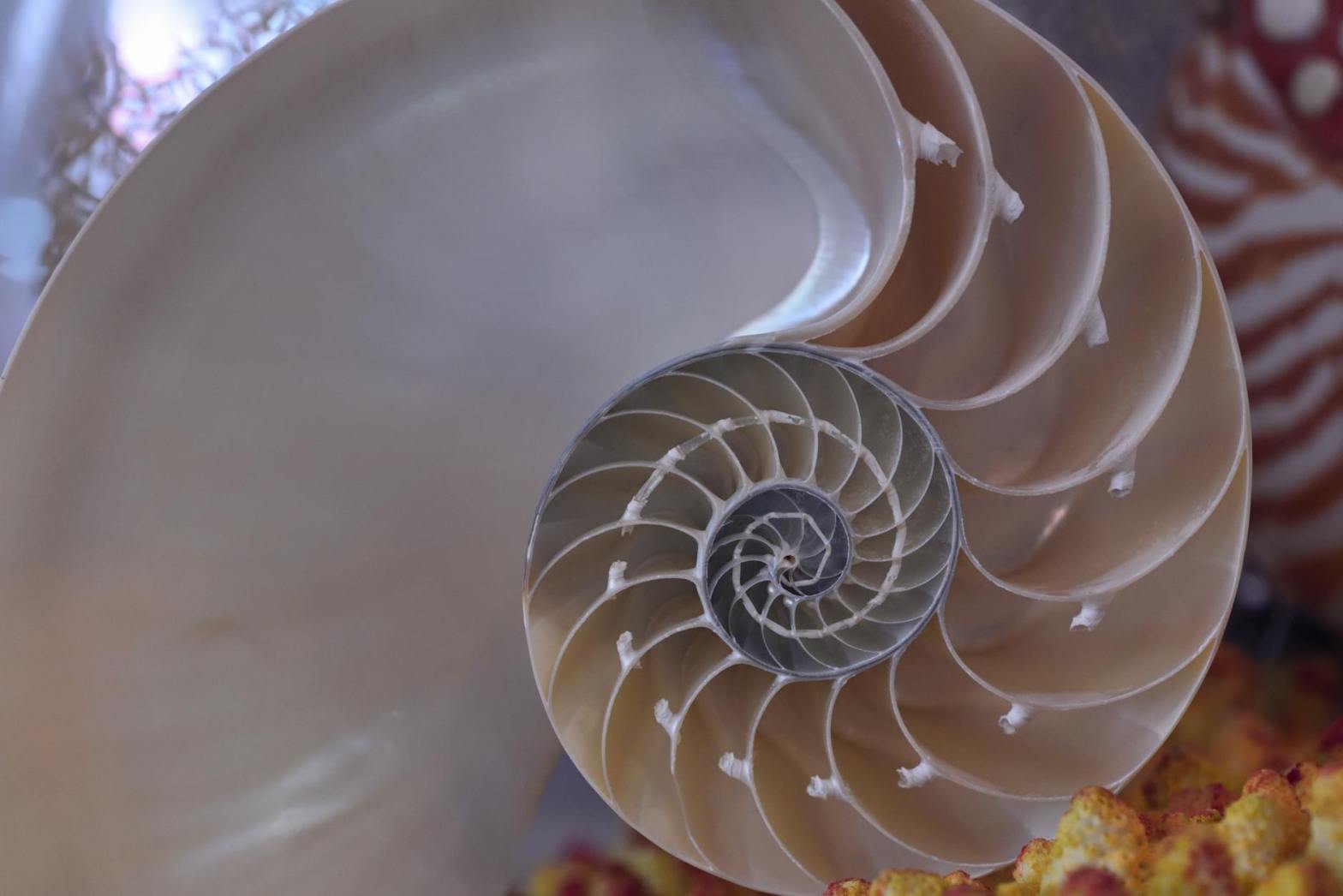
10. Golden Ratio and Spirals

The golden ratio (1:1.618) is a mathematical principle often found in nature, art, and architecture. It creates aesthetically pleasing compositions.

Key Concepts

  • Golden Spiral: A spiral overlay that guides the viewer’s eye through the frame.
  • Phi Grid: Similar to the rule of thirds but based on the golden ratio.

Practical Applications

  • Use the golden spiral to arrange subjects and leading lines.
  • Combine with other compositional techniques for dynamic results.

Developing Your Eye for Composition

Composition is a skill honed through practice and observation. Train your eye by analyzing photographs, studying art, and experimenting with different techniques.

Exercises

  • Study Masterpieces: Analyze the work of renowned photographers and painters for compositional insights.
  • Practice One Rule: Focus on one technique (e.g., leading lines) during a shoot.
  • Experiment: Break traditional rules and observe the results.
  • Review and Reflect: Critique your own photos to identify strengths and areas for improvement.

Tools for Better Composition

Modern cameras and editing tools offer features to assist with composition:

  • Grid Overlays: Activate the rule of thirds or golden ratio grids in your camera settings.
  • Live View: Compose shots using your camera’s screen for precise adjustments.
  • Post-Processing Tools: Refine composition with cropping, straightening, and color adjustments.

Conclusion

Mastering composition is an ongoing journey that transforms how you see and capture the world. By understanding and applying these basics—from the rule of thirds to color theory—you can create images that resonate and inspire. Remember, rules are guidelines; let your creativity lead the way as you develop your unique photographic style.