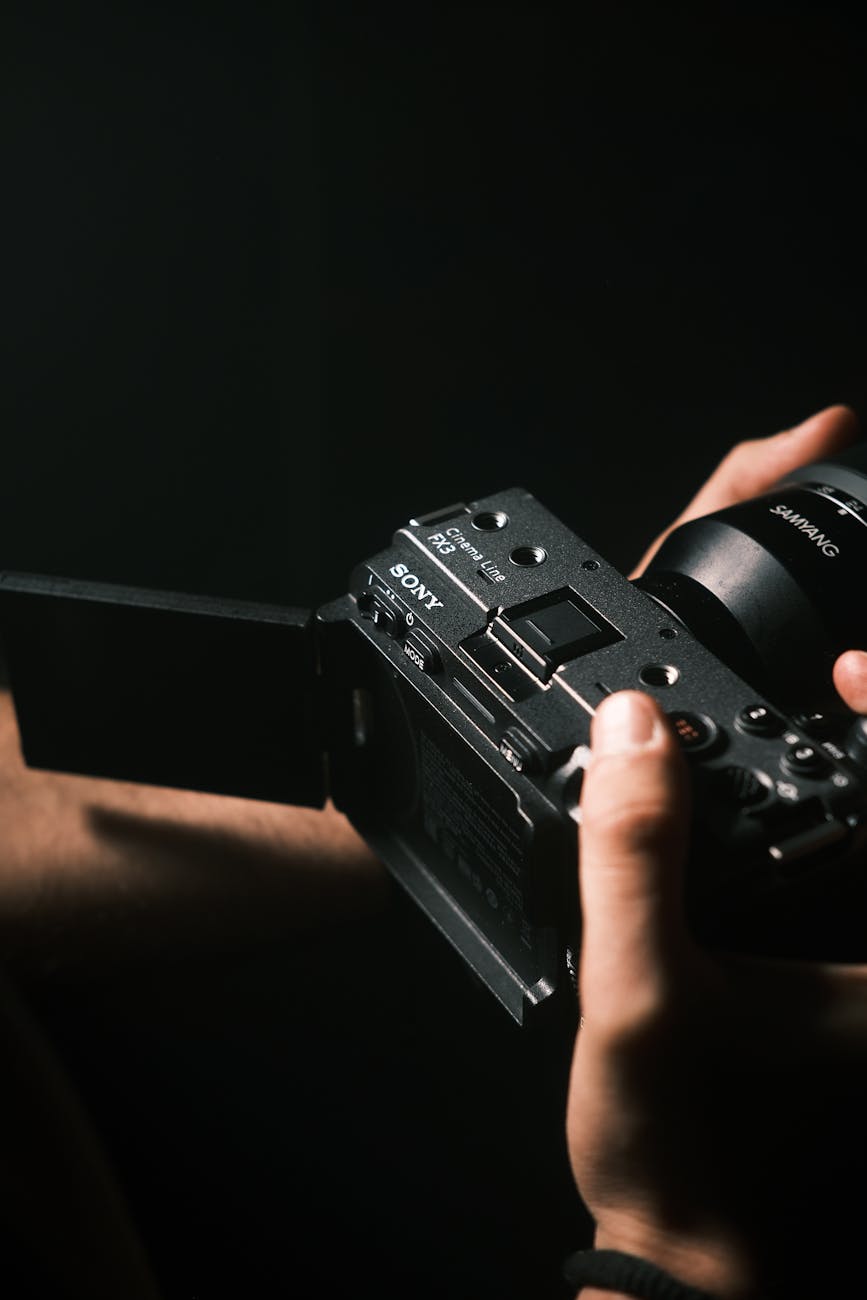
Mirrorless cameras have transformed the photography industry, offering a modern, lightweight alternative to traditional DSLRs. They eliminate the need for a mirror mechanism, which not only reduces their size and weight but also enables advanced digital features. This section delves into the advantages, technical specifications, and considerations when choosing a mirrorless camera, helping photographers of all levels understand why they might opt for this system.
Understanding the Mirrorless System
Unlike DSLRs, which rely on a mirror and optical viewfinder to preview images, mirrorless cameras use an electronic viewfinder (EVF) or an LCD screen to display a digital representation of the image. This allows photographers to see an accurate exposure preview, including real-time effects of settings like white balance, aperture, and shutter speed. This difference in viewing mechanism is at the heart of what makes mirrorless cameras distinct from DSLRs.
Key Features of Mirrorless Cameras
1. Compact and Lightweight Design
One of the biggest advantages of mirrorless cameras is their portability. Without a mirror box and optical prism, manufacturers can design smaller and lighter camera bodies while maintaining high image quality. This makes mirrorless cameras ideal for:
- Travel photographers who need to carry their gear for long periods.
- Street photographers who require discretion and quick access to their cameras.
- Videographers who appreciate the reduced weight when mounting cameras on gimbals or stabilizers.
2. Electronic Viewfinder (EVF) and LCD Screen
Since mirrorless cameras lack an optical viewfinder, they rely on an electronic viewfinder (EVF) or LCD screen to compose shots. The benefits of an EVF include:
- Real-Time Exposure Preview: See exactly how adjustments to ISO, shutter speed, and aperture will affect the final image before pressing the shutter.
- Enhanced Visibility in Low Light: Unlike optical viewfinders that darken in low-light conditions, EVFs amplify available light, making it easier to frame shots in dim environments.
- Focus Peaking and Zebra Stripes: Advanced features help with manual focusing and exposure control, ensuring precise results.
However, some photographers prefer the optical experience of a DSLR viewfinder, as EVFs can introduce a slight lag or drain battery life faster.
3. Interchangeable Lenses
Similar to DSLRs, mirrorless cameras support interchangeable lenses, offering versatility for different types of photography. Most major brands have developed extensive lens lineups, including:
- Wide-Angle Lenses for landscape and architectural photography.
- Prime Lenses for portraits with beautiful background blur.
- Telephoto Lenses for wildlife and sports photography.
- Macro Lenses for close-up details of small subjects.
Some mirrorless cameras also support lens adapters, allowing photographers to use their existing DSLR lenses, although this may add bulk and reduce autofocus performance.
4. Advanced Autofocus Systems
Mirrorless cameras have an edge over DSLRs in autofocus technology, particularly in continuous tracking and face/eye detection. They utilize:
- Phase Detection and Contrast Detection: Many models combine these technologies for faster and more accurate focusing.
- Eye Autofocus (Eye AF): Detects and locks onto a subject’s eyes, crucial for portrait and wildlife photography.
- Superior Video Autofocus: Mirrorless cameras excel at subject tracking in video mode, making them popular among content creators and vloggers.
5. High-Quality Video Capabilities
Videographers favor mirrorless cameras for their advanced video features. Many offer:
- 4K and Even 8K Recording: Crisp, high-resolution footage.
- In-Body Image Stabilization (IBIS): Reduces camera shake for smooth handheld shots.
- Log Profiles and RAW Video: Greater flexibility in post-production color grading.
These features make mirrorless cameras the go-to choice for independent filmmakers and YouTubers.
Considerations When Choosing a Mirrorless Camera
1. Battery Life
Since mirrorless cameras rely on digital screens and EVFs, they consume more power than DSLRs. Battery life varies by model, but here are ways to mitigate power concerns:
- Carry spare batteries for extended shoots.
- Use power-saving modes and turn off the LCD when not in use.
- Invest in external battery grips for professional work.
2. Lens Selection and Compatibility
While mirrorless systems have expanded their native lens offerings, some brands still lag behind the extensive lens options available for DSLRs. However, companies like Sony, Canon, Nikon, and Fujifilm continue to release high-quality mirrorless lenses, and third-party manufacturers such as Sigma and Tamron have also entered the market.
3. Price and Investment
Mirrorless cameras range from budget-friendly entry-level models to high-end professional systems. When considering the switch to mirrorless, photographers should factor in:
- The cost of additional lenses and accessories.
- Potential need for new memory cards (such as CFexpress for high-speed shooting).
- Whether their existing DSLR accessories, such as flashes and remote triggers, are compatible.
4. Durability and Weather Sealing
Professional-grade mirrorless cameras often include weather sealing to protect against dust and moisture. For outdoor and adventure photographers, models with magnesium-alloy bodies and robust sealing are recommended.
Who Should Choose a Mirrorless Camera?
Mirrorless cameras cater to a wide range of photographers, including:
- Beginners: Compact models with intuitive controls make for an excellent first camera.
- Enthusiasts: Those looking to upgrade from smartphones or compact cameras will enjoy the enhanced image quality and creative control.
- Professionals: High-end mirrorless cameras now rival and even surpass DSLRs in performance, making them suitable for commercial and studio work.
- Videographers: With superior autofocus, stabilization, and 4K/8K capabilities, mirrorless cameras are the preferred choice for filmmakers and vloggers.
The Future of Mirrorless Cameras
The industry is rapidly shifting toward mirrorless technology, with major brands prioritizing research and development in this area. Future advancements may include:
- Better Battery Life: Improved efficiency and higher-capacity batteries.
- More Affordable Options: As technology advances, entry-level mirrorless models will become more accessible.
- Enhanced AI Autofocus: Even smarter subject tracking and recognition.
Conclusion
Mirrorless cameras offer a compelling alternative to DSLRs, blending portability with cutting-edge technology. Whether you’re a beginner looking for a lightweight travel companion or a professional seeking top-tier performance, the mirrorless system provides a versatile and future-proof solution. Understanding their features and limitations can help you make an informed decision, ensuring you invest in the right camera for your photographic journey.
 Learning Digital Photography