Photography is not just about pointing a camera and clicking a button; it is about creating images that communicate emotion, tell a story, or captivate the viewer’s attention. Composition is the artful arrangement of visual elements within the frame, and mastering its fundamentals can elevate your photography from ordinary to extraordinary. This chapter explores key principles and techniques to help you compose compelling images.
The Importance of Composition
Composition guides the viewer’s eye and emphasizes the subject, creating balance and harmony within the frame. A well-composed photograph captures attention, evokes emotion, and leaves a lasting impression. While some aspects of composition come naturally, many can be learned and refined through practice.
1. Rule of Thirds
The rule of thirds is one of the most well-known and effective principles in photography. It involves dividing the frame into nine equal parts by two horizontal and two vertical lines. Placing your subject along these lines or at their intersections creates a balanced and visually pleasing composition.
Key Concepts
- Dynamic Balance: Placing the subject off-center adds tension and interest compared to centering it.
- Guiding the Eye: The rule of thirds naturally leads the viewer’s eye through the image.
Practical Applications
- Landscapes: Position the horizon along the top or bottom third, rather than splitting the frame in half.
- Portraits: Place the subject’s eyes at one of the intersection points.
Breaking the Rule
While the rule of thirds is effective, don’t hesitate to break it for creative purposes. Centered compositions or unconventional placements can add drama or symmetry.
2. Leading Lines
Leading lines direct the viewer’s gaze through the image, often towards the subject. These lines can be literal (roads, bridges) or implied (shadows, patterns).
Key Concepts
- Types of Lines: Horizontal lines convey stability, vertical lines suggest strength, and diagonal lines add dynamism.
- Natural vs. Artificial: Leading lines can be found in nature (rivers, tree branches) or man-made structures (railings, pathways).
Practical Applications
- Use leading lines to draw attention to your subject.
- Experiment with converging lines to create depth and perspective.
3. Framing
Framing involves using elements within the scene to create a natural frame around your subject. This technique adds context, depth, and focus to your image.
Key Concepts
- Natural Frames: Tree branches, doorways, windows, or archways.
- Depth and Context: Frames create layers, adding a three-dimensional feel.
Practical Applications
- Find opportunities to shoot through objects for creative framing.
- Use frames to block distractions and highlight the subject.
4. Symmetry and Patterns
Humans are naturally drawn to symmetry and patterns. Incorporating these elements creates a sense of order and harmony in your images.
Key Concepts
- Symmetry: Achieved when both halves of an image mirror each other. Symmetry is often found in architecture and reflections.
- Patterns: Repeated shapes, lines, or colors create rhythm and structure.
Practical Applications
- Look for symmetry in landscapes (e.g., reflections in water) or man-made environments.
- Break a pattern with a contrasting element to create visual interest.
5. Depth and Perspective
Creating a sense of depth transforms a flat photograph into a rich, immersive experience. Perspective helps convey the scale and spatial relationships within the frame.
Key Concepts
- Foreground, Midground, Background: Including elements at varying distances adds layers.
- Vanishing Point: Lines converging towards a point create depth.
- Overlapping Elements: Placing one subject in front of another emphasizes their spatial relationship.
Practical Applications
- Use a wide-angle lens to exaggerate perspective.
- Shoot at eye level or experiment with low and high angles to alter perspective.
6. Negative Space
Negative space refers to the empty or unoccupied areas in an image. Used effectively, it emphasizes the subject and creates a sense of simplicity and elegance.
Key Concepts
- Balancing Space: Negative space should complement, not overwhelm, the subject.
- Minimalism: Often associated with negative space, minimalism highlights essential elements.
Practical Applications
- Use negative space to isolate the subject and create a clean composition.
- Experiment with sky, water, or plain backgrounds to add contrast.
7. Color Theory
Colors evoke emotions and influence how viewers perceive an image. Understanding color theory helps you create harmonious and impactful compositions.
Key Concepts
- Color Harmony: Complementary colors (e.g., blue and orange) create contrast, while analogous colors (e.g., blue and green) create harmony.
- Color Psychology: Warm colors (red, yellow) evoke energy, while cool colors (blue, green) convey calmness.
Practical Applications
- Use color contrast to draw attention to your subject.
- Experiment with monochromatic schemes for a cohesive look.
8. Balance
Balance ensures that no part of the image feels too heavy or visually dominant. It’s about distributing elements in a way that feels natural and pleasing.
Key Concepts
- Symmetrical Balance: Equal visual weight on both sides of the frame.
- Asymmetrical Balance: Unequal distribution that still feels harmonious.
- Radial Balance: Elements radiating from a central point.
Practical Applications
- Use contrasting elements to balance large, dominant subjects.
- Balance colors, textures, or shapes to create visual harmony.
9. Cropping and Aspect Ratio
How you frame and crop an image impacts its composition and storytelling. Aspect ratio determines the dimensions of your frame, influencing how elements are arranged.
Key Concepts
- Common Ratios: 3:2 (traditional photography), 4:3 (standard digital), and 16:9 (widescreen).
- Cropping: Focuses attention by eliminating distractions or reframing the subject.
Practical Applications
- Use cropping to refine your composition in post-processing.
- Experiment with unconventional aspect ratios for creative effects.
10. Golden Ratio and Spirals
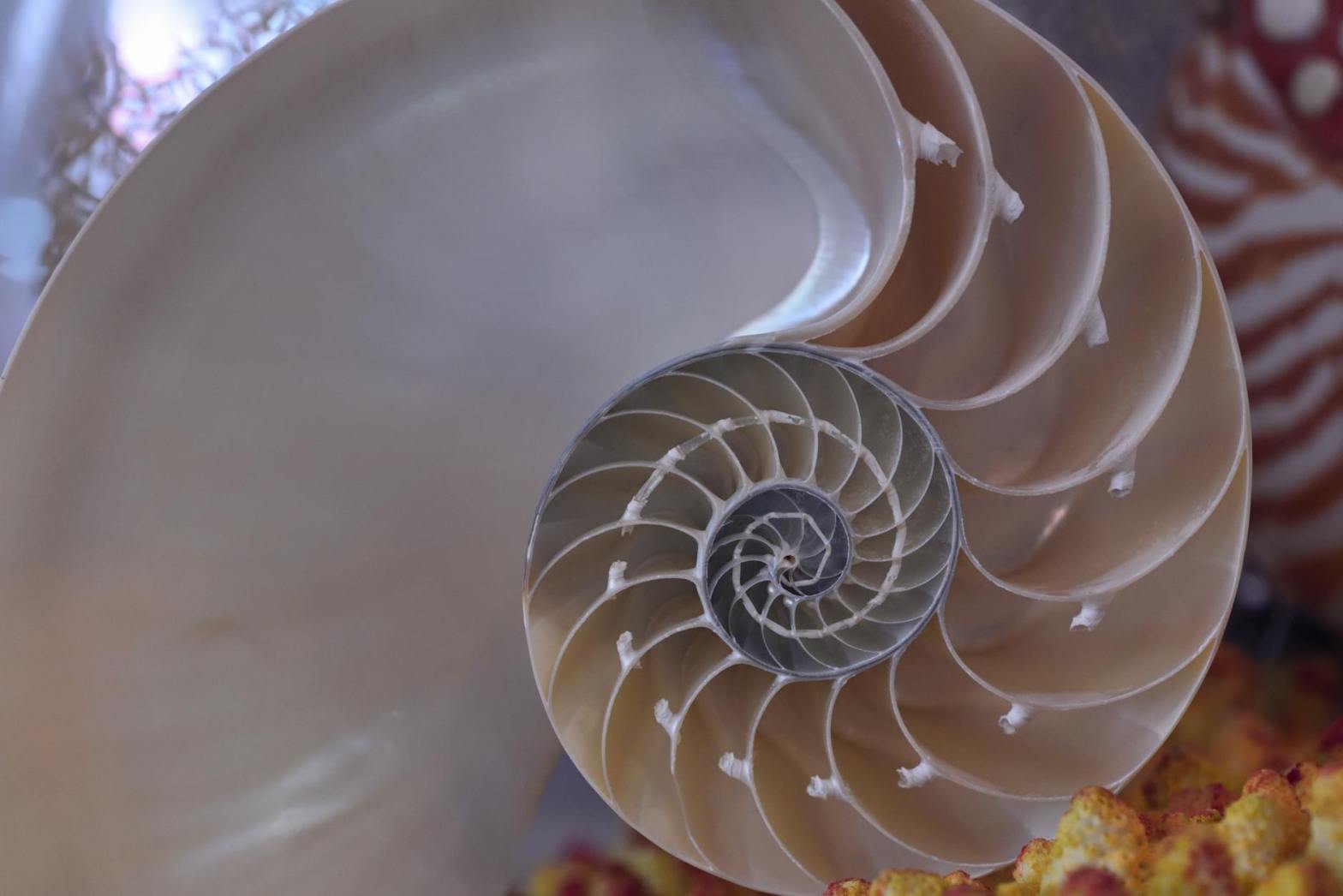
The golden ratio (1:1.618) is a mathematical principle often found in nature, art, and architecture. It creates aesthetically pleasing compositions.
Key Concepts
- Golden Spiral: A spiral overlay that guides the viewer’s eye through the frame.
- Phi Grid: Similar to the rule of thirds but based on the golden ratio.
Practical Applications
- Use the golden spiral to arrange subjects and leading lines.
- Combine with other compositional techniques for dynamic results.
Developing Your Eye for Composition
Composition is a skill honed through practice and observation. Train your eye by analyzing photographs, studying art, and experimenting with different techniques.
Exercises
- Study Masterpieces: Analyze the work of renowned photographers and painters for compositional insights.
- Practice One Rule: Focus on one technique (e.g., leading lines) during a shoot.
- Experiment: Break traditional rules and observe the results.
- Review and Reflect: Critique your own photos to identify strengths and areas for improvement.
Tools for Better Composition
Modern cameras and editing tools offer features to assist with composition:
- Grid Overlays: Activate the rule of thirds or golden ratio grids in your camera settings.
- Live View: Compose shots using your camera’s screen for precise adjustments.
- Post-Processing Tools: Refine composition with cropping, straightening, and color adjustments.
Conclusion
Mastering composition is an ongoing journey that transforms how you see and capture the world. By understanding and applying these basics—from the rule of thirds to color theory—you can create images that resonate and inspire. Remember, rules are guidelines; let your creativity lead the way as you develop your unique photographic style.
 Learning Digital Photography