Filters

Filters in Photography

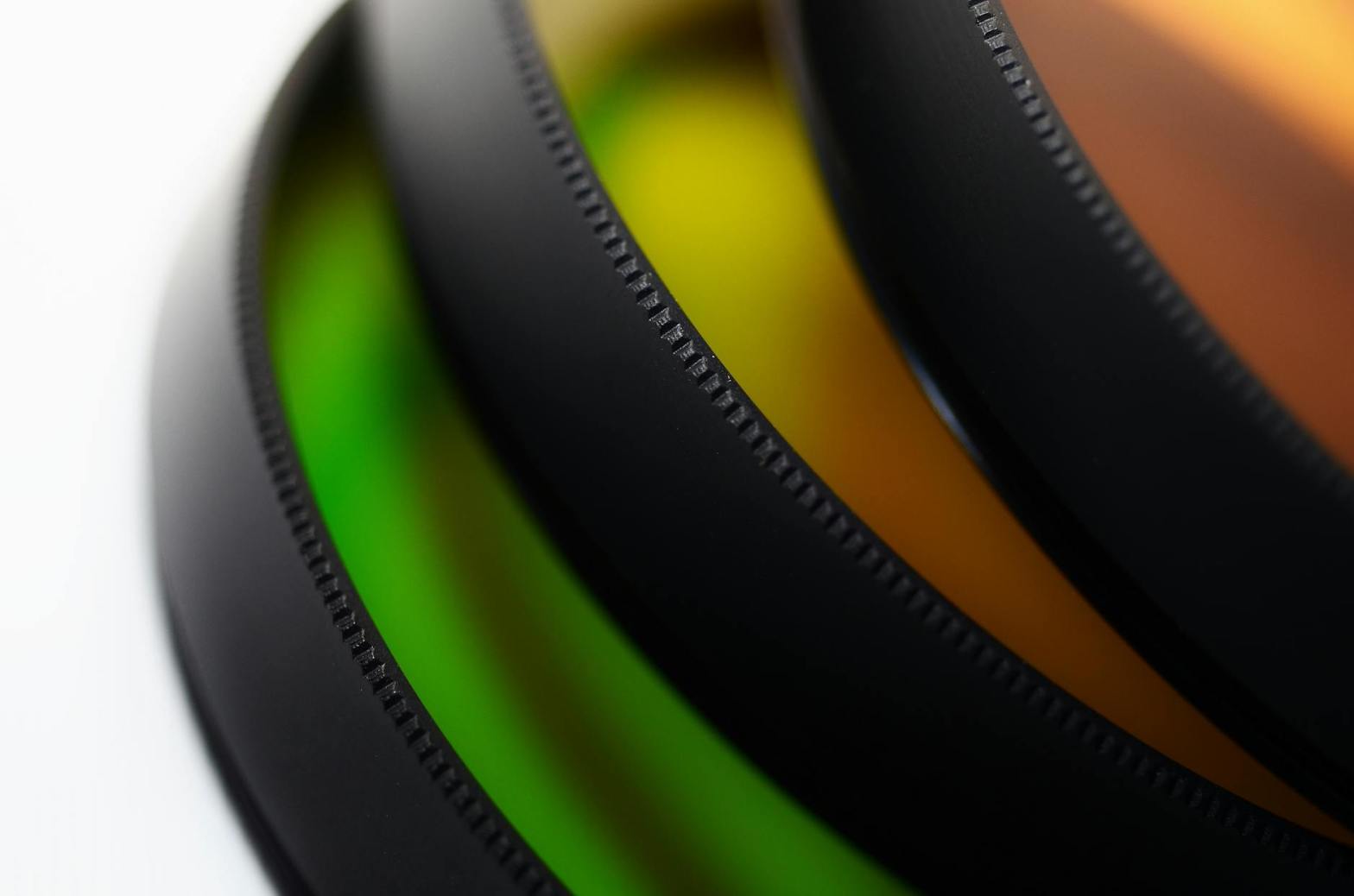
Filters are essential tools in photography that help control light, enhance colors, and protect your lenses. They can improve image quality, create special effects, and enable photographers to shoot in challenging lighting conditions. Whether you are a beginner or a professional, understanding the different types of filters and their uses will help you achieve better results in your photography.

Common Filter Types

UV Filters

UV filters were originally designed to reduce the effects of ultraviolet light on film photography, preventing hazy or bluish images. While modern digital sensors are less affected by UV light, UV filters are still widely used for lens protection.

Features and Benefits:

  • Protects the front element of your lens from scratches, dust, and moisture
  • Minimizes atmospheric haze in certain conditions
  • Thin and lightweight, making them easy to leave on the lens permanently

Best For:

  • General protection of camera lenses
  • Outdoor photography to reduce atmospheric haze
  • Situations where lens cleaning may be difficult or frequent

Polarizing Filters

Polarizing filters are among the most popular filters in photography due to their ability to manage reflections and enhance color saturation.

Features and Benefits:

  • Reduces glare and reflections from non-metallic surfaces (e.g., water, glass, and foliage)
  • Enhances color saturation, making skies appear deeper blue and foliage more vibrant
  • Improves contrast in landscape photography

Best For:

  • Landscape photography to deepen blue skies and enhance clouds
  • Water photography to reduce glare and see beneath the surface
  • Shooting through windows or glass to minimize reflections

Neutral Density (ND) Filters

Neutral Density (ND) filters reduce the amount of light entering the lens without affecting color balance. They allow photographers to use slower shutter speeds or wider apertures in bright conditions.

Features and Benefits:

  • Enables long-exposure effects, such as silky smooth waterfalls or blurred motion in crowds
  • Helps achieve a shallow depth of field in bright conditions by allowing wider apertures
  • Available in various strengths (e.g., ND2, ND4, ND8, ND1000) to control different levels of light reduction

Best For:

  • Long-exposure photography to capture motion blur
  • Portrait photography in bright daylight to maintain a shallow depth of field
  • Videography to maintain cinematic motion blur under strong lighting

Graduated Neutral Density (GND) Filters

Graduated Neutral Density filters are a variation of ND filters, featuring a gradual transition from dark to clear. They are commonly used in landscape photography.

Features and Benefits:

  • Balances exposure between bright skies and darker foregrounds
  • Available in hard or soft gradients for different horizon lines
  • Enhances dynamic range in landscape photography

Best For:

  • Landscape photography to properly expose both sky and land
  • Sunset or sunrise photography to balance bright and dark areas

Color Filters

Color filters adjust the color balance of an image and are mostly used in black-and-white photography or creative shooting.

Features and Benefits:

  • Red filters enhance contrast in black-and-white photography, making skies darker
  • Blue filters can add a cool tone to images
  • Creative effects can be achieved by introducing different colors into an image

Best For:

  • Black-and-white photography to improve contrast
  • Artistic photography for unique color effects

Infrared (IR) Filters

Infrared filters block visible light and allow only infrared light to reach the camera sensor, creating surreal and dreamlike effects.

Features and Benefits:

  • Produces striking, otherworldly images with white foliage and dark skies
  • Helps create unique artistic effects in digital photography
  • Requires long exposures and careful post-processing

Best For:

  • Experimental and creative photography
  • Capturing surreal landscapes and unique portraits

Close-Up (Macro) Filters

Close-up filters function like magnifying glasses, allowing photographers to focus on small subjects without needing a dedicated macro lens.

Features and Benefits:

  • Affordable alternative to macro lenses
  • Easy to attach and remove
  • Available in different magnification strengths (+1, +2, +4, etc.)

Best For:

  • Macro photography of flowers, insects, and small objects
  • Budget-conscious photographers who want to explore close-up photography

Choosing Filters

Selecting the right filter depends on your photography style and needs. Here are some key factors to consider:

Quality Matters

Investing in high-quality filters ensures minimal impact on image sharpness and color accuracy. Cheap filters can degrade image quality by introducing unwanted reflections, color casts, or vignetting.

Compatibility with Lens Diameter

Filters are available in different thread sizes to match the diameter of your lens. Check your lens specifications to find the correct size, or use step-up rings to adapt filters to multiple lenses.

Coating and Construction

Look for multi-coated filters to reduce reflections and flare. High-end filters often have water-resistant, anti-scratch coatings for added durability.

Screw-On vs. Square Filters

  • Screw-on filters attach directly to the lens thread and are convenient for everyday use.
  • Square filter systems require a holder but allow more flexibility, as multiple filters can be stacked and adjusted.

Using Filters Effectively

To maximize the benefits of filters, keep these tips in mind:

  • Avoid overuse of filters: While filters can enhance your images, excessive stacking can lead to vignetting and loss of sharpness.
  • Keep filters clean: Smudges and dust can impact image quality, so regularly clean filters with a microfiber cloth.
  • Use filters with purpose: Understanding the effect of each filter will help you use them effectively to enhance your photography.

Conclusion

Filters are powerful tools that can significantly enhance your photography by controlling light, improving color, and adding creative effects. From UV protection to polarizing and ND filters, choosing the right one for your needs will help you achieve your desired results. Investing in quality filters and using them effectively will elevate your photography and open new creative possibilities.
Essential Accessories

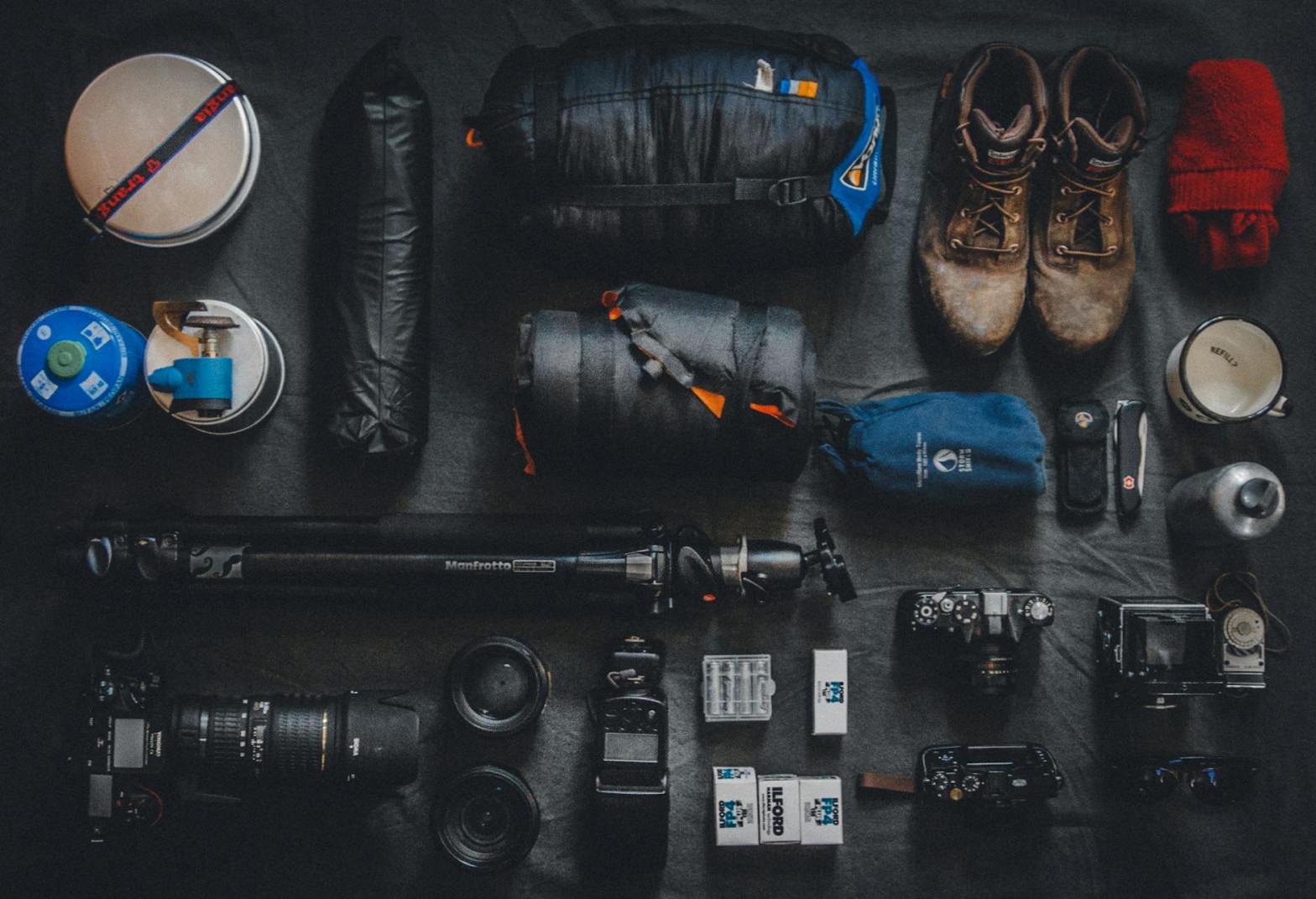
Having the right camera is just the beginning of your photographic journey. To make the most of your gear and achieve your creative vision, it’s crucial to invest in the right accessories. These tools enhance your photography experience, provide greater versatility, and help you overcome challenges in different shooting conditions. Here’s a comprehensive look at the essential accessories every photographer should consider.

1. Camera Lenses

The lens you use significantly influences the quality and style of your photographs. Different lenses cater to various types of photography:

Prime Lenses

  • Features: Fixed focal length, usually faster apertures (e.g., f/1.8, f/1.4).
  • Best For: Portraits, low-light photography, and sharp, detailed images.
  • Advantages: Superior image quality, lightweight, and compact.

Zoom Lenses

  • Features: Variable focal lengths (e.g., 24-70mm, 70-200mm).
  • Best For: Versatility and situations where changing lenses isn’t practical.
  • Advantages: Covers multiple focal lengths, making them great for travel and events.

Specialty Lenses

  • Macro Lenses: Ideal for close-up photography of small subjects like insects and flowers.
  • Wide-Angle Lenses: Perfect for landscapes and architectural shots.
  • Telephoto Lenses: Great for sports and wildlife photography, enabling you to capture distant subjects.

2. Tripods

A tripod is an indispensable tool for stable and sharp images, especially in challenging lighting conditions.

Types of Tripods

  • Full-Size Tripods: Offer maximum stability; ideal for landscapes, portraits, and studio work.
  • Travel Tripods: Lightweight and compact, designed for photographers on the go.
  • Mini Tripods: Perfect for tabletop photography and compact setups.

Key Features to Look For

  • Material: Aluminum (affordable and durable) or carbon fiber (lightweight and sturdy).
  • Height: Adjustable to suit your shooting needs.
  • Load Capacity: Ensure it can support your camera and heaviest lens.

3. Camera Bags

A reliable camera bag protects your gear and makes it easy to transport. Choose a bag based on your shooting style and the amount of equipment you carry.

Popular Options

  • Backpacks: Excellent for carrying multiple lenses and accessories over long distances.
  • Shoulder Bags: Ideal for quick access to your camera and lenses.
  • Sling Bags: A hybrid option offering convenience and moderate capacity.
  • Hard Cases: Provide maximum protection for professional gear during travel.

4. Filters

Filters are essential for controlling light, enhancing colors, and protecting your lenses.

Common Filter Types

  • UV Filters: Protect the lens from scratches and dust.
  • Polarizing Filters: Reduce reflections and enhance color saturation in skies and water.
  • Neutral Density (ND) Filters: Reduce light entering the lens, allowing slower shutter speeds for creative effects like smooth water or motion blur.

Choosing Filters

Invest in high-quality filters that match your lens diameter to ensure optimal performance.

5. External Flash and Lighting Equipment

Natural light isn’t always sufficient, and mastering artificial lighting opens up new creative possibilities.

Flash Options

  • On-Camera Flash: Compact and portable, great for event photography.
  • Off-Camera Flash: Offers flexibility in positioning for creative lighting setups.

Other Lighting Accessories

  • Reflectors: Bounce light onto your subject to fill in shadows.
  • Softboxes: Diffuse light for softer, more flattering portraits.
  • Light Stands: Provide stability and positioning for off-camera flashes or continuous lights.

6. Memory Cards

High-quality memory cards are vital for storing your images securely.

What to Look For

  • Capacity: Choose cards with ample storage (e.g., 64GB, 128GB) for long shoots.
  • Speed: High write speeds (e.g., 90MB/s or higher) are essential for burst shooting and 4K video.
  • Reliability: Opt for trusted brands like SanDisk, Lexar, or Samsung.

Backup Solutions

Carry multiple cards and consider portable hard drives or cloud storage for redundancy.

7. Batteries and Chargers

Running out of battery power can cut a shoot short. Always carry extras.

Recommendations

  • Extra Batteries: Ensure compatibility with your camera model.
  • Portable Chargers or Power Banks: Keep your camera and other devices charged on the go.
  • Battery Grips: Attach to your camera for extended shooting time and better ergonomics.

8. Remote Shutter Release

A remote shutter release helps eliminate camera shake, especially for long exposures and self-portraits.

Types

  • Wired Remotes: Simple and affordable, connect directly to your camera.
  • Wireless Remotes: Offer greater flexibility, often with additional features like interval shooting.
  • App-Based Controls: Use your smartphone to control your camera remotely.

9. Cleaning Equipment

Keeping your gear clean ensures optimal performance and longevity.

Essential Tools

  • Lens Cloths and Cleaning Solution: For removing smudges and dust from lenses.
  • Air Blower: Safely remove dust from your sensor and lens without touching them.
  • Sensor Cleaning Kits: For more thorough cleaning when needed.
  • Microfiber Cloths: General cleaning for camera bodies and accessories.

10. Straps and Harnesses

Comfortable straps and harnesses make carrying your camera easier during long shoots.

Options

  • Neck Straps: Standard straps provided with cameras, though aftermarket options offer better comfort.
  • Wrist Straps: Compact and ideal for lighter cameras.
  • Harnesses: Distribute weight evenly for carrying multiple cameras.

11. Software and Apps

Post-processing software and mobile apps are essential for editing and managing your photos.

Popular Choices

  • Adobe Lightroom and Photoshop: Industry-standard tools for comprehensive editing.
  • Capture One: Known for exceptional color grading and tethered shooting.
  • Mobile Apps: Snapseed and VSCO for editing on the go.

Listen to the podcast here –

Conclusion

Investing in essential accessories enhances your ability to capture the images you envision and ensures a smoother, more enjoyable photography experience. From lenses and tripods to lighting and software, each accessory plays a critical role in expanding your creative capabilities. As you grow in your photographic journey, building a versatile toolkit will empower you to tackle any challenge and achieve your artistic goals.