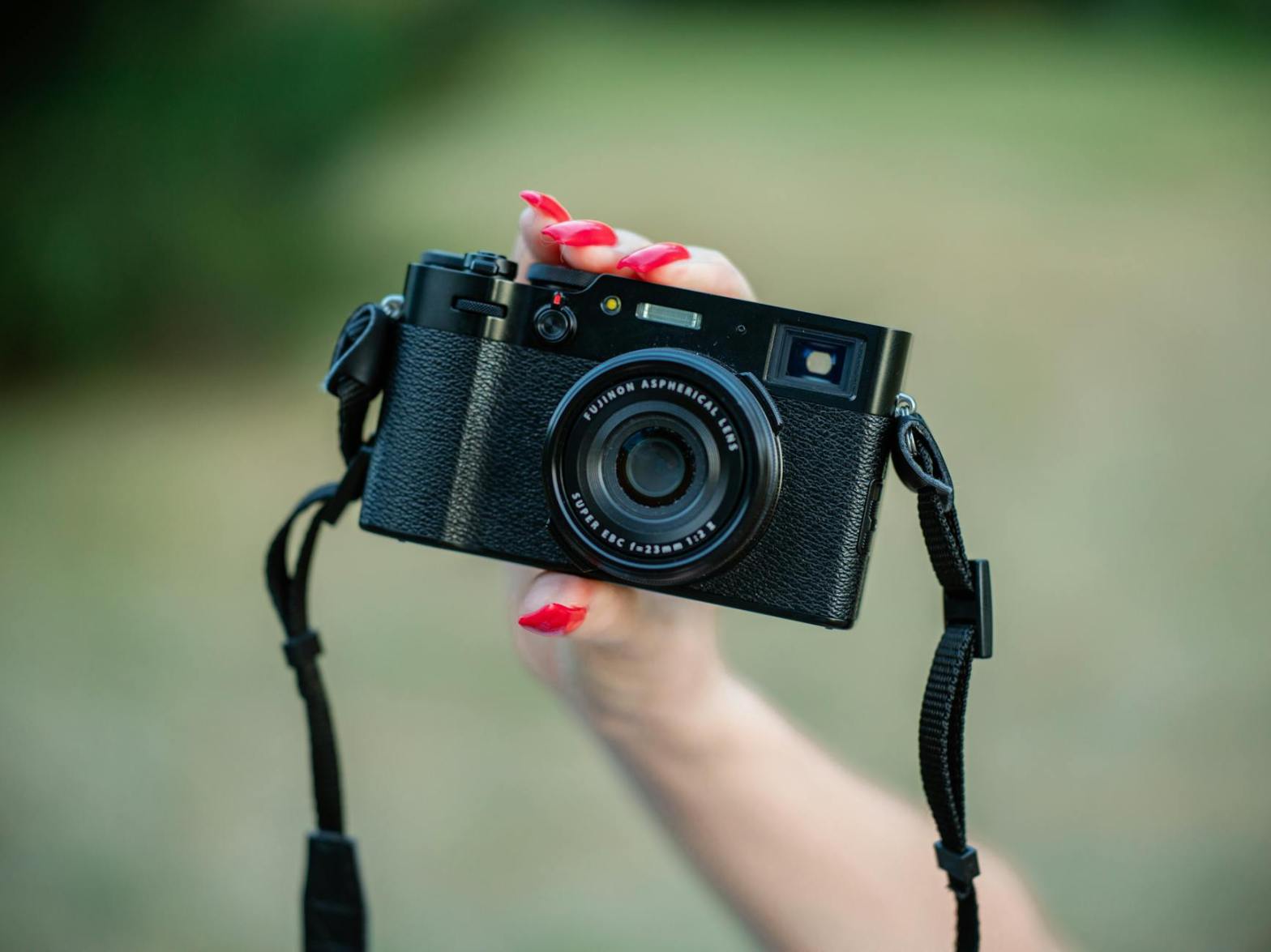
Compact cameras, also known as point-and-shoot cameras, have long been a popular choice for casual photographers and travelers due to their simplicity, convenience, and affordability. While smartphones have become dominant in everyday photography, compact cameras still hold a valuable place in the market, offering superior optics, dedicated camera features, and versatile shooting options.
Understanding Compact Cameras
Compact cameras are designed for users who want an easy-to-use camera without the bulk and complexity of DSLRs or mirrorless systems. These cameras feature built-in lenses, automatic shooting modes, and intuitive controls, making them ideal for beginners, families, and travelers looking for a reliable photographic tool.
Key Features of Compact Cameras
1. Portability and Convenience
One of the most significant advantages of compact cameras is their small size and lightweight build. Unlike DSLRs and mirrorless cameras that require separate lenses and accessories, compact cameras integrate everything into a single unit. This makes them ideal for:
- Travelers who need a hassle-free camera that fits in a pocket or small bag.
- Everyday photographers looking to capture moments without carrying bulky gear.
- Children or beginners who need an easy-to-handle device.
2. Ease of Use
Compact cameras are designed with user-friendly interfaces, often featuring fully automatic modes that handle exposure, focus, and color balance. Some models also include:
- Scene Modes: Preset options for different shooting environments, such as portraits, landscapes, and night photography.
- Face and Smile Detection: AI-powered features that recognize faces and capture shots at the perfect moment.
- Touchscreen Controls: Many modern compact cameras incorporate intuitive touchscreens for menu navigation and focus selection.
3. Integrated Lenses
Unlike interchangeable-lens cameras, compact cameras have built-in lenses with varying zoom ranges. These can include:
- Fixed Prime Lenses: High-quality optics with a single focal length, ideal for street photography and low-light conditions.
- Zoom Lenses: Offering versatility, zoom lenses allow users to switch between wide-angle and telephoto shots.
- Superzoom Lenses: Some compact cameras feature impressive zoom capabilities, reaching up to 30x or more, making them perfect for wildlife and sports photography.
4. Affordability
Compact cameras tend to be more budget-friendly than DSLRs and mirrorless cameras. They offer a cost-effective way to achieve better image quality than most smartphone cameras while remaining accessible to a wide audience. Prices vary based on features, with basic models being highly affordable and premium compact cameras offering more advanced technology at a higher cost.
Considerations When Choosing a Compact Camera
1. Limited Manual Controls
While compact cameras excel in automation, they often lack full manual control options. This can be a drawback for photographers who want to experiment with aperture, shutter speed, and ISO settings. However, some high-end compact models do offer manual controls, giving users more creative flexibility.
2. Sensor Size and Image Quality
Compact cameras typically have smaller sensors compared to DSLRs and mirrorless cameras, which can affect image quality, especially in low-light conditions. Key aspects to consider include:
- Sensor Type: Most compact cameras use either CCD or CMOS sensors, with CMOS generally providing better performance and energy efficiency.
- Megapixels: While megapixel count is often emphasized in marketing, sensor size plays a more crucial role in determining image quality.
- Low-Light Performance: Due to smaller sensors, compact cameras may struggle in dim environments, leading to more noise and reduced detail.
3. Zoom vs. Image Quality Trade-Off
Many compact cameras feature powerful zoom lenses, but this can sometimes compromise image quality, particularly at the highest zoom levels. Optical zoom maintains quality, while digital zoom simply enlarges the image, leading to potential pixelation and loss of detail.
4. Battery Life
Most compact cameras have decent battery life, but frequent use of the LCD screen, flash, and zoom can drain power quickly. To extend battery life:
- Carry spare batteries for longer trips.
- Use power-saving modes when available.
- Turn off unnecessary features when not in use.
Who Should Consider a Compact Camera?
Compact cameras are ideal for various types of users, including:
- Beginners: Those new to photography will appreciate the straightforward operation.
- Casual Photographers: Users who want better image quality than a smartphone without the complexity of a larger camera.
- Travelers: Lightweight and convenient, compact cameras are perfect for capturing moments on the go.
- Families: Great for vacations, birthdays, and everyday snapshots.
- Vloggers: Some compact cameras offer excellent video capabilities, including 4K recording and flip-out screens for self-recording.
The Evolution of Compact Cameras in the Smartphone Era
With smartphones now featuring advanced camera systems, compact cameras have had to evolve to stay relevant. Some ways they have adapted include:
- Larger Sensors: High-end models incorporate larger sensors for superior image quality.
- Wi-Fi and Bluetooth Connectivity: Many compact cameras now support wireless image transfer to smartphones and social media.
- 4K Video and Slow-Motion Recording: To compete with smartphones, modern compact cameras offer advanced video features.
- Rugged and Waterproof Designs: Some compact cameras cater to adventure enthusiasts with durable, waterproof builds for outdoor and underwater photography.
Future of Compact Cameras
While smartphone cameras continue to improve, compact cameras still offer unique advantages. Future advancements may include:
- AI-Enhanced Photography: Smarter autofocus, scene recognition, and real-time enhancements.
- Improved Optical Zoom: Higher zoom capabilities without sacrificing image quality.
- Enhanced Low-Light Performance: Larger sensors and improved processing for better night shots.
- Better Integration with Smart Devices: Seamless connectivity for instant sharing and cloud storage.
Conclusion
Compact cameras remain a valuable tool for photographers seeking a simple yet capable alternative to smartphones. Their portability, ease of use, and affordability make them an excellent choice for beginners, travelers, and casual shooters. While they may not offer the same level of manual control or image quality as high-end DSLRs and mirrorless cameras, advancements in technology continue to make compact cameras a compelling option for those looking for a dedicated photographic device without the complexity of larger systems.
 Learning Digital Photography