Sensor Size

Sensor Size: The Key to Image Quality

The sensor is the most crucial component of a camera, responsible for capturing light and converting it into a digital image. The size of the sensor plays a significant role in determining image quality, affecting aspects such as resolution, dynamic range, low-light performance, and depth of field. Understanding sensor sizes is essential when selecting a camera, whether for professional photography, casual shooting, or mobile photography.

The Importance of Sensor Size

A larger sensor can gather more light, which improves image quality in several ways:

  • Better Low-Light Performance: Larger sensors have bigger pixels that can collect more light, reducing noise and improving image clarity in dim environments.
  • Increased Dynamic Range: A larger sensor can capture more details in shadows and highlights, producing richer and more detailed images.
  • Shallower Depth of Field: Bigger sensors make it easier to achieve a blurred background (bokeh), which is often desired for portraits and artistic photography.
  • Higher Resolution Options: Although resolution is determined by the number of megapixels, a larger sensor allows those pixels to be larger, enhancing overall image sharpness and detail.

Common Sensor Sizes

1. Full-Frame Sensors

Full-frame sensors are the gold standard for professional photographers and high-end cameras. Measuring 36mm x 24mm, these sensors are equivalent to 35mm film, providing exceptional image quality and versatility.

Advantages:

  • Superior low-light performance due to larger pixels.
  • Enhanced depth of field control for subject-background separation.
  • Wider field of view compared to smaller sensors when using the same lens.
  • Greater dynamic range for capturing details in highlights and shadows.

Disadvantages:

  • Higher cost compared to smaller sensor cameras.
  • Larger and heavier camera bodies and lenses.
  • Requires more powerful processing and storage due to large image files.

2. APS-C Sensors

APS-C (Advanced Photo System type-C) sensors are found in mid-range DSLRs and mirrorless cameras. These sensors measure approximately 22mm x 15mm, making them smaller than full-frame sensors but still capable of delivering excellent image quality.

Advantages:

  • More affordable than full-frame cameras.
  • Good balance between image quality and portability.
  • Wide selection of lenses available, with a slight telephoto advantage due to the crop factor.
  • Better low-light performance compared to smaller sensors.

Disadvantages:

  • Reduced field of view due to crop factor (typically 1.5x or 1.6x compared to full-frame).
  • Slightly less control over depth of field.
  • Lower dynamic range and low-light performance compared to full-frame.

3. Micro Four Thirds Sensors

Micro Four Thirds (MFT) sensors are commonly used in mirrorless cameras, offering a compact and lightweight option while still delivering high-quality images. Measuring around 17mm x 13mm, these sensors are smaller than APS-C but still larger than smartphone sensors.

Advantages:

  • Compact and lightweight camera bodies and lenses.
  • Excellent image stabilization options in many MFT cameras.
  • Wide range of compatible lenses due to standardized mount.
  • Good balance between image quality and portability.

Disadvantages:

  • Smaller sensor means reduced low-light performance compared to APS-C and full-frame.
  • Increased depth of field (harder to achieve bokeh effects).
  • Some limitations in dynamic range and resolution compared to larger sensors.

4. Smartphone Sensors

Smartphone cameras use the smallest sensors, typically measuring between 6mm x 4mm to 9mm x 7mm. These sensors rely heavily on computational photography to enhance image quality, using AI-based processing to compensate for their small size.

Advantages:

  • Highly portable and always accessible.
  • Computational photography features such as Night Mode, HDR, and AI enhancements improve image quality.
  • Integrated software for quick sharing and editing.
  • Multiple lenses and sensors in some models (wide, telephoto, macro, ultra-wide).

Disadvantages:

  • Small sensors limit low-light performance and dynamic range.
  • Heavy reliance on software-based enhancements instead of optical improvements.
  • Fixed lens systems limit flexibility compared to interchangeable lens cameras.
  • Digital zoom instead of true optical zoom reduces image quality.

Crop Factor and Its Impact

The crop factor is a term used to compare the field of view of smaller sensors to that of a full-frame sensor. It affects the effective focal length of lenses. For example:

  • Full-Frame: No crop factor (1.0x).
  • APS-C: Typically 1.5x or 1.6x crop factor, meaning a 50mm lens acts like a 75mm or 80mm lens.
  • Micro Four Thirds: 2.0x crop factor, meaning a 50mm lens acts like a 100mm lens.
  • Smartphone Sensors: Vary widely, with crop factors often above 5x.

A higher crop factor results in a narrower field of view, which can be advantageous for telephoto shots but limits wide-angle photography.

Choosing the Right Sensor Size

When selecting a camera, it’s important to consider your photography needs and budget. Here are some general guidelines:

  • For Professional Photography: Full-frame sensors offer the best image quality, low-light performance, and depth-of-field control.
  • For Enthusiasts and Hobbyists: APS-C sensors provide a great balance between quality and affordability.
  • For Travel and Everyday Use: Micro Four Thirds sensors allow for compact setups without sacrificing too much quality.
  • For Convenience and Casual Photography: Smartphone cameras are ideal due to their portability and computational enhancements.

The Future of Sensor Technology

Sensor technology continues to evolve, with manufacturers developing innovations to improve performance across all sensor sizes. Some trends include:

  • Stacked Sensor Designs: Faster readout speeds and better dynamic range.
  • Global Shutters: Eliminating rolling shutter effects for better motion capture.
  • AI-Driven Computational Photography: Enhancing image quality through software improvements.
  • Larger Sensors in Smartphones: Closing the gap between mobile and dedicated cameras.

Conclusion

Sensor size plays a vital role in determining a camera’s performance and suitability for different types of photography. While larger sensors generally provide superior image quality, advancements in computational photography are helping smaller sensors bridge the gap. Understanding the strengths and limitations of each sensor type allows photographers to make informed decisions based on their creative and practical needs.
Compact Cameras

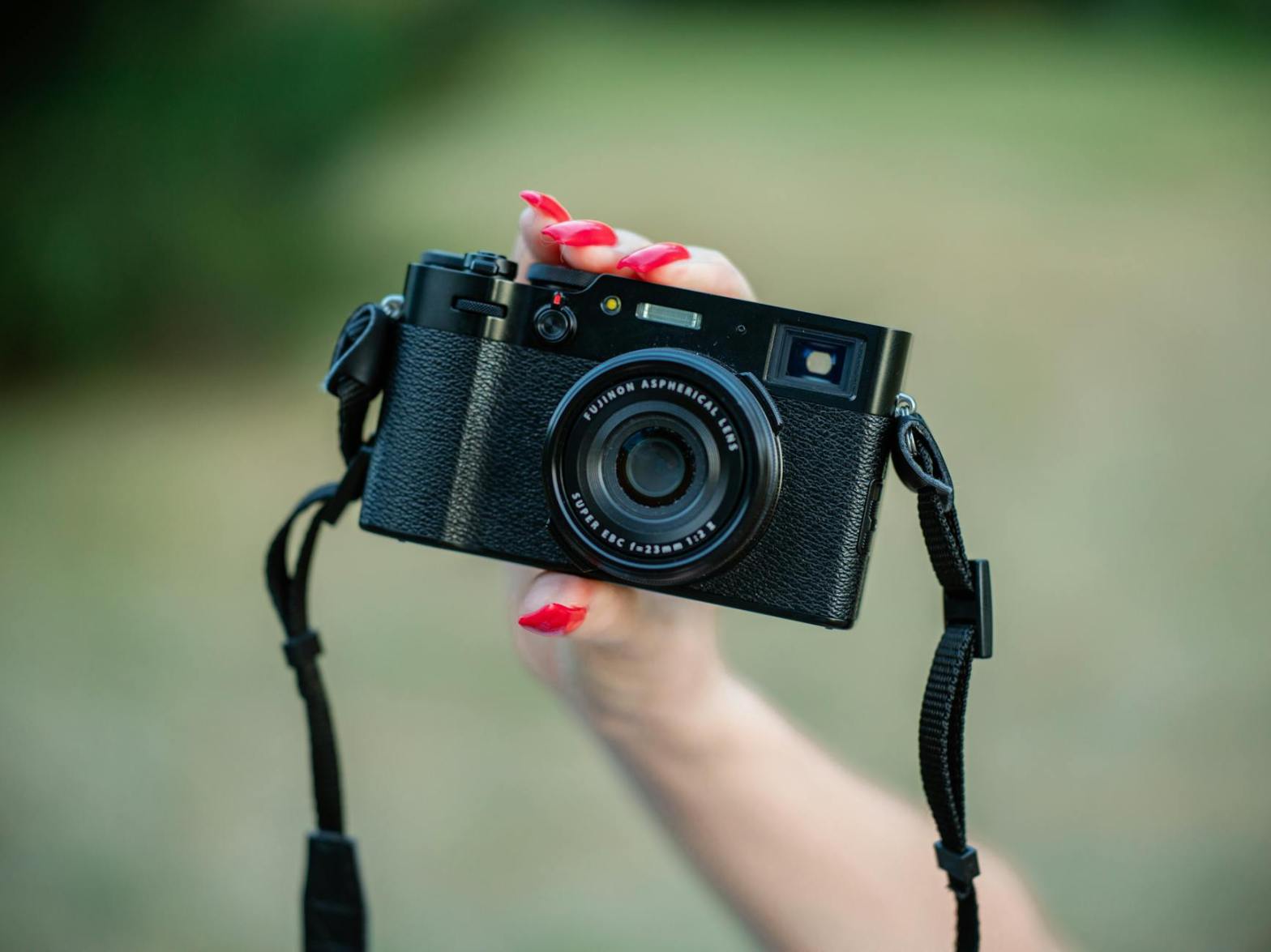
Compact cameras, also known as point-and-shoot cameras, have long been a popular choice for casual photographers and travelers due to their simplicity, convenience, and affordability. While smartphones have become dominant in everyday photography, compact cameras still hold a valuable place in the market, offering superior optics, dedicated camera features, and versatile shooting options.

Understanding Compact Cameras

Compact cameras are designed for users who want an easy-to-use camera without the bulk and complexity of DSLRs or mirrorless systems. These cameras feature built-in lenses, automatic shooting modes, and intuitive controls, making them ideal for beginners, families, and travelers looking for a reliable photographic tool.

Key Features of Compact Cameras

1. Portability and Convenience

One of the most significant advantages of compact cameras is their small size and lightweight build. Unlike DSLRs and mirrorless cameras that require separate lenses and accessories, compact cameras integrate everything into a single unit. This makes them ideal for:

  • Travelers who need a hassle-free camera that fits in a pocket or small bag.
  • Everyday photographers looking to capture moments without carrying bulky gear.
  • Children or beginners who need an easy-to-handle device.

2. Ease of Use

Compact cameras are designed with user-friendly interfaces, often featuring fully automatic modes that handle exposure, focus, and color balance. Some models also include:

  • Scene Modes: Preset options for different shooting environments, such as portraits, landscapes, and night photography.
  • Face and Smile Detection: AI-powered features that recognize faces and capture shots at the perfect moment.
  • Touchscreen Controls: Many modern compact cameras incorporate intuitive touchscreens for menu navigation and focus selection.

3. Integrated Lenses

Unlike interchangeable-lens cameras, compact cameras have built-in lenses with varying zoom ranges. These can include:

  • Fixed Prime Lenses: High-quality optics with a single focal length, ideal for street photography and low-light conditions.
  • Zoom Lenses: Offering versatility, zoom lenses allow users to switch between wide-angle and telephoto shots.
  • Superzoom Lenses: Some compact cameras feature impressive zoom capabilities, reaching up to 30x or more, making them perfect for wildlife and sports photography.

4. Affordability

Compact cameras tend to be more budget-friendly than DSLRs and mirrorless cameras. They offer a cost-effective way to achieve better image quality than most smartphone cameras while remaining accessible to a wide audience. Prices vary based on features, with basic models being highly affordable and premium compact cameras offering more advanced technology at a higher cost.

Considerations When Choosing a Compact Camera

1. Limited Manual Controls

While compact cameras excel in automation, they often lack full manual control options. This can be a drawback for photographers who want to experiment with aperture, shutter speed, and ISO settings. However, some high-end compact models do offer manual controls, giving users more creative flexibility.

2. Sensor Size and Image Quality

Compact cameras typically have smaller sensors compared to DSLRs and mirrorless cameras, which can affect image quality, especially in low-light conditions. Key aspects to consider include:

  • Sensor Type: Most compact cameras use either CCD or CMOS sensors, with CMOS generally providing better performance and energy efficiency.
  • Megapixels: While megapixel count is often emphasized in marketing, sensor size plays a more crucial role in determining image quality.
  • Low-Light Performance: Due to smaller sensors, compact cameras may struggle in dim environments, leading to more noise and reduced detail.

3. Zoom vs. Image Quality Trade-Off

Many compact cameras feature powerful zoom lenses, but this can sometimes compromise image quality, particularly at the highest zoom levels. Optical zoom maintains quality, while digital zoom simply enlarges the image, leading to potential pixelation and loss of detail.

4. Battery Life

Most compact cameras have decent battery life, but frequent use of the LCD screen, flash, and zoom can drain power quickly. To extend battery life:

  • Carry spare batteries for longer trips.
  • Use power-saving modes when available.
  • Turn off unnecessary features when not in use.

Who Should Consider a Compact Camera?

Compact cameras are ideal for various types of users, including:

  • Beginners: Those new to photography will appreciate the straightforward operation.
  • Casual Photographers: Users who want better image quality than a smartphone without the complexity of a larger camera.
  • Travelers: Lightweight and convenient, compact cameras are perfect for capturing moments on the go.
  • Families: Great for vacations, birthdays, and everyday snapshots.
  • Vloggers: Some compact cameras offer excellent video capabilities, including 4K recording and flip-out screens for self-recording.

The Evolution of Compact Cameras in the Smartphone Era

With smartphones now featuring advanced camera systems, compact cameras have had to evolve to stay relevant. Some ways they have adapted include:

  • Larger Sensors: High-end models incorporate larger sensors for superior image quality.
  • Wi-Fi and Bluetooth Connectivity: Many compact cameras now support wireless image transfer to smartphones and social media.
  • 4K Video and Slow-Motion Recording: To compete with smartphones, modern compact cameras offer advanced video features.
  • Rugged and Waterproof Designs: Some compact cameras cater to adventure enthusiasts with durable, waterproof builds for outdoor and underwater photography.

Future of Compact Cameras

While smartphone cameras continue to improve, compact cameras still offer unique advantages. Future advancements may include:

  • AI-Enhanced Photography: Smarter autofocus, scene recognition, and real-time enhancements.
  • Improved Optical Zoom: Higher zoom capabilities without sacrificing image quality.
  • Enhanced Low-Light Performance: Larger sensors and improved processing for better night shots.
  • Better Integration with Smart Devices: Seamless connectivity for instant sharing and cloud storage.

Conclusion

Compact cameras remain a valuable tool for photographers seeking a simple yet capable alternative to smartphones. Their portability, ease of use, and affordability make them an excellent choice for beginners, travelers, and casual shooters. While they may not offer the same level of manual control or image quality as high-end DSLRs and mirrorless cameras, advancements in technology continue to make compact cameras a compelling option for those looking for a dedicated photographic device without the complexity of larger systems.

Mirrorless Cameras

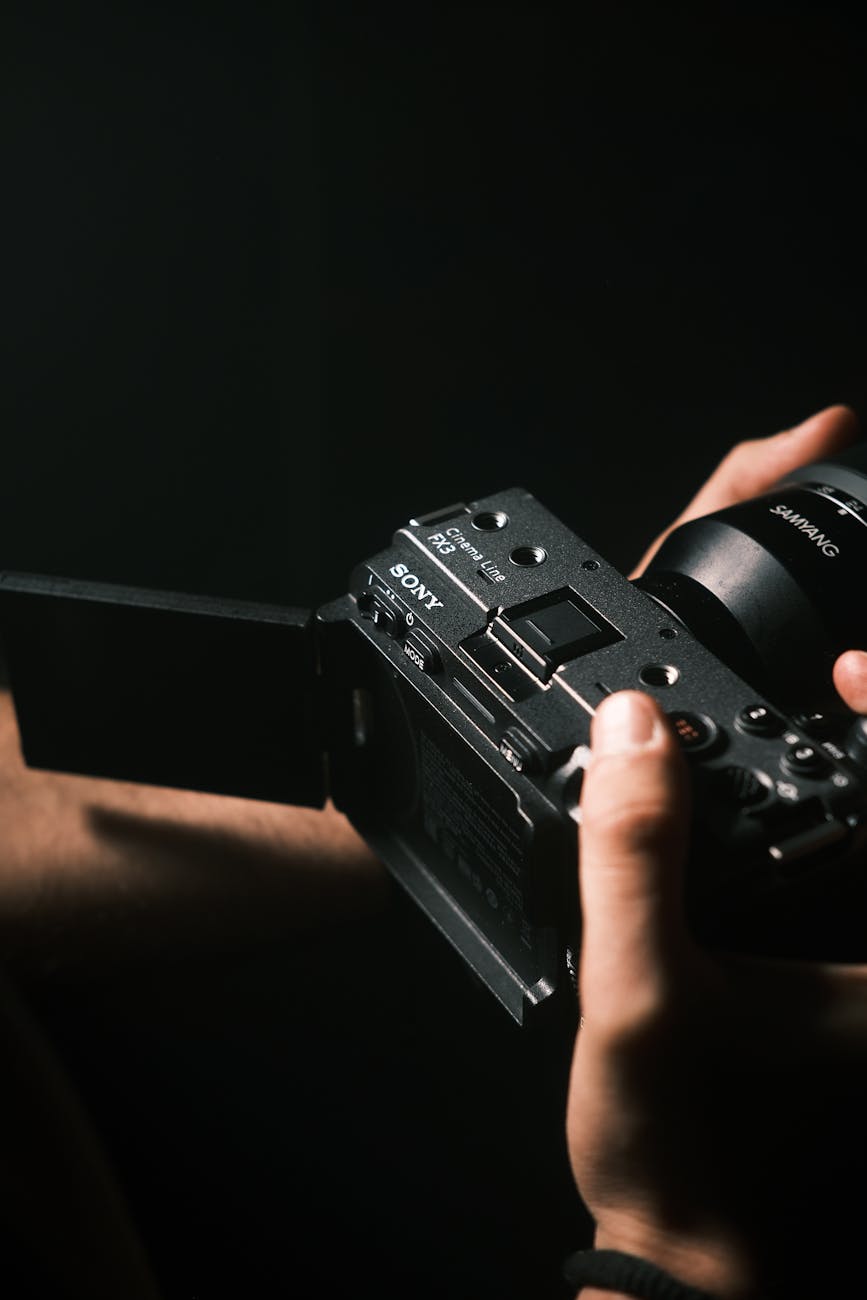
Mirrorless cameras have transformed the photography industry, offering a modern, lightweight alternative to traditional DSLRs. They eliminate the need for a mirror mechanism, which not only reduces their size and weight but also enables advanced digital features. This section delves into the advantages, technical specifications, and considerations when choosing a mirrorless camera, helping photographers of all levels understand why they might opt for this system.

Understanding the Mirrorless System

Unlike DSLRs, which rely on a mirror and optical viewfinder to preview images, mirrorless cameras use an electronic viewfinder (EVF) or an LCD screen to display a digital representation of the image. This allows photographers to see an accurate exposure preview, including real-time effects of settings like white balance, aperture, and shutter speed. This difference in viewing mechanism is at the heart of what makes mirrorless cameras distinct from DSLRs.

Key Features of Mirrorless Cameras

1. Compact and Lightweight Design

One of the biggest advantages of mirrorless cameras is their portability. Without a mirror box and optical prism, manufacturers can design smaller and lighter camera bodies while maintaining high image quality. This makes mirrorless cameras ideal for:

  • Travel photographers who need to carry their gear for long periods.
  • Street photographers who require discretion and quick access to their cameras.
  • Videographers who appreciate the reduced weight when mounting cameras on gimbals or stabilizers.

2. Electronic Viewfinder (EVF) and LCD Screen

Since mirrorless cameras lack an optical viewfinder, they rely on an electronic viewfinder (EVF) or LCD screen to compose shots. The benefits of an EVF include:

  • Real-Time Exposure Preview: See exactly how adjustments to ISO, shutter speed, and aperture will affect the final image before pressing the shutter.
  • Enhanced Visibility in Low Light: Unlike optical viewfinders that darken in low-light conditions, EVFs amplify available light, making it easier to frame shots in dim environments.
  • Focus Peaking and Zebra Stripes: Advanced features help with manual focusing and exposure control, ensuring precise results.

However, some photographers prefer the optical experience of a DSLR viewfinder, as EVFs can introduce a slight lag or drain battery life faster.

3. Interchangeable Lenses

Similar to DSLRs, mirrorless cameras support interchangeable lenses, offering versatility for different types of photography. Most major brands have developed extensive lens lineups, including:

  • Wide-Angle Lenses for landscape and architectural photography.
  • Prime Lenses for portraits with beautiful background blur.
  • Telephoto Lenses for wildlife and sports photography.
  • Macro Lenses for close-up details of small subjects.

Some mirrorless cameras also support lens adapters, allowing photographers to use their existing DSLR lenses, although this may add bulk and reduce autofocus performance.

4. Advanced Autofocus Systems

Mirrorless cameras have an edge over DSLRs in autofocus technology, particularly in continuous tracking and face/eye detection. They utilize:

  • Phase Detection and Contrast Detection: Many models combine these technologies for faster and more accurate focusing.
  • Eye Autofocus (Eye AF): Detects and locks onto a subject’s eyes, crucial for portrait and wildlife photography.
  • Superior Video Autofocus: Mirrorless cameras excel at subject tracking in video mode, making them popular among content creators and vloggers.

5. High-Quality Video Capabilities

Videographers favor mirrorless cameras for their advanced video features. Many offer:

  • 4K and Even 8K Recording: Crisp, high-resolution footage.
  • In-Body Image Stabilization (IBIS): Reduces camera shake for smooth handheld shots.
  • Log Profiles and RAW Video: Greater flexibility in post-production color grading.

These features make mirrorless cameras the go-to choice for independent filmmakers and YouTubers.

Considerations When Choosing a Mirrorless Camera

1. Battery Life

Since mirrorless cameras rely on digital screens and EVFs, they consume more power than DSLRs. Battery life varies by model, but here are ways to mitigate power concerns:

  • Carry spare batteries for extended shoots.
  • Use power-saving modes and turn off the LCD when not in use.
  • Invest in external battery grips for professional work.

2. Lens Selection and Compatibility

While mirrorless systems have expanded their native lens offerings, some brands still lag behind the extensive lens options available for DSLRs. However, companies like Sony, Canon, Nikon, and Fujifilm continue to release high-quality mirrorless lenses, and third-party manufacturers such as Sigma and Tamron have also entered the market.

3. Price and Investment

Mirrorless cameras range from budget-friendly entry-level models to high-end professional systems. When considering the switch to mirrorless, photographers should factor in:

  • The cost of additional lenses and accessories.
  • Potential need for new memory cards (such as CFexpress for high-speed shooting).
  • Whether their existing DSLR accessories, such as flashes and remote triggers, are compatible.

4. Durability and Weather Sealing

Professional-grade mirrorless cameras often include weather sealing to protect against dust and moisture. For outdoor and adventure photographers, models with magnesium-alloy bodies and robust sealing are recommended.

Who Should Choose a Mirrorless Camera?

Mirrorless cameras cater to a wide range of photographers, including:

  • Beginners: Compact models with intuitive controls make for an excellent first camera.
  • Enthusiasts: Those looking to upgrade from smartphones or compact cameras will enjoy the enhanced image quality and creative control.
  • Professionals: High-end mirrorless cameras now rival and even surpass DSLRs in performance, making them suitable for commercial and studio work.
  • Videographers: With superior autofocus, stabilization, and 4K/8K capabilities, mirrorless cameras are the preferred choice for filmmakers and vloggers.

The Future of Mirrorless Cameras

The industry is rapidly shifting toward mirrorless technology, with major brands prioritizing research and development in this area. Future advancements may include:

  • Better Battery Life: Improved efficiency and higher-capacity batteries.
  • More Affordable Options: As technology advances, entry-level mirrorless models will become more accessible.
  • Enhanced AI Autofocus: Even smarter subject tracking and recognition.

Conclusion

Mirrorless cameras offer a compelling alternative to DSLRs, blending portability with cutting-edge technology. Whether you’re a beginner looking for a lightweight travel companion or a professional seeking top-tier performance, the mirrorless system provides a versatile and future-proof solution. Understanding their features and limitations can help you make an informed decision, ensuring you invest in the right camera for your photographic journey.

DSLRs (Digital Single-Lens Reflex Cameras)

Understanding the DSLR Advantage

At the heart of a DSLR’s functionality is its mirror mechanism, which reflects light from the lens into an optical viewfinder. This means that what you see through the viewfinder is exactly what your lens captures, providing a true-to-life perspective crucial for precise composition.

Key Features That Enhance Learning

  1. Interchangeable Lenses One of the standout advantages of DSLRs is their ability to switch between a variety of lenses. Whether you’re capturing sweeping landscapes with a wide-angle lens, zooming in on distant subjects with a telephoto lens, or experimenting with macro photography, the flexibility is unmatched. This feature allows beginners to experiment and develop an understanding of focal lengths and composition techniques. Major brands like Canon, Nikon, and Sony offer extensive lens ecosystems, ensuring photographers have the right tools for every situation. Canon’s EF and RF lenses, Nikon’s F-mount and Z-mount lenses, and Sony’s A-mount lenses all provide a range of options for different types of photography.
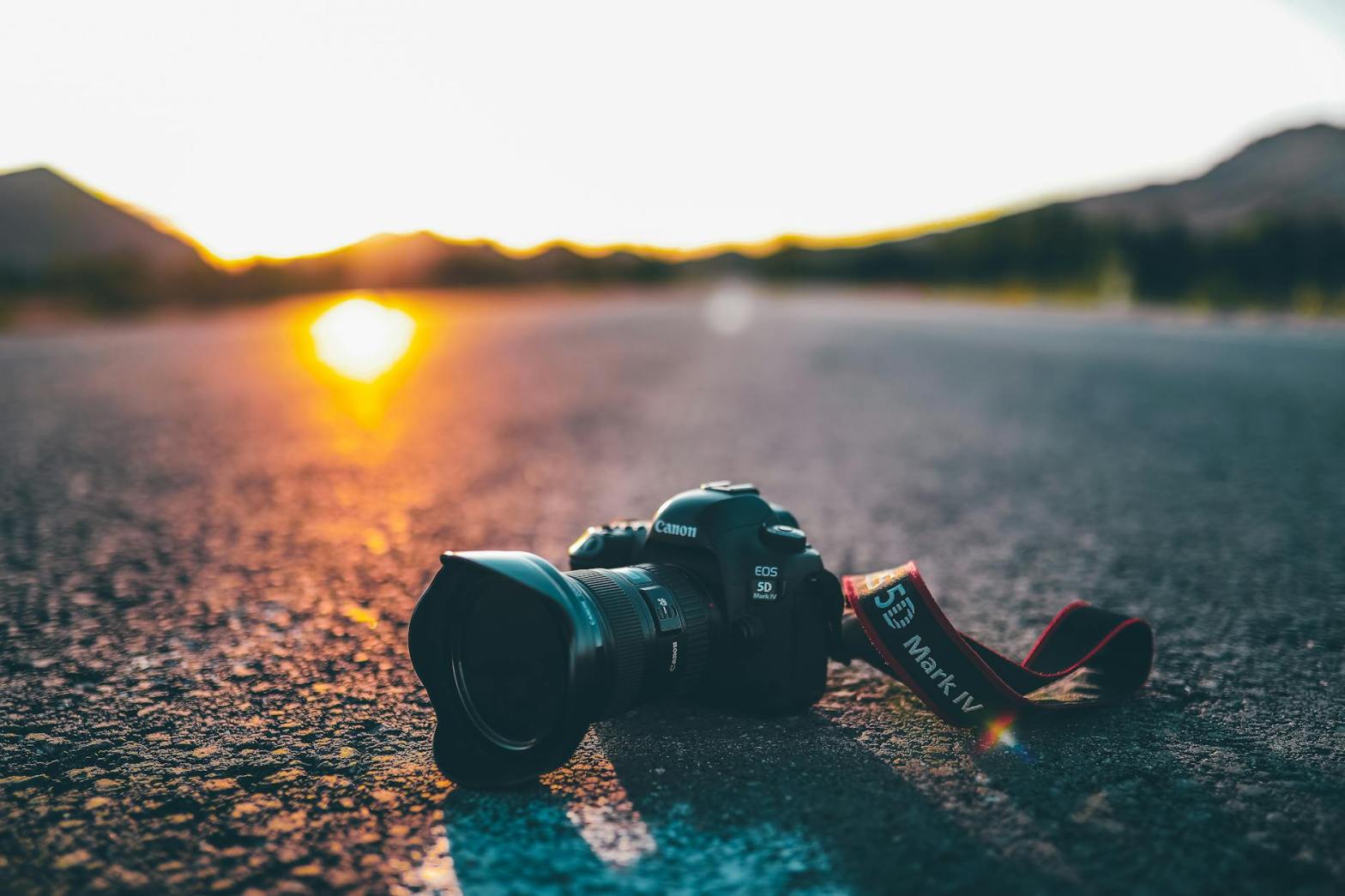
  2. Superior Image Quality DSLRs are equipped with large sensors, typically APS-C or full-frame, which means they can capture high-resolution images with excellent detail, dynamic range, and low-light performance. The ability to shoot in RAW format allows for extensive post-processing, giving photographers full control over color grading and exposure adjustments. Some notable DSLR models include the Canon EOS 5D Mark IV, Nikon D850, and Pentax K-1 II, all of which are praised for their outstanding image quality and professional features.
  3. Manual Control for Skill Development Unlike point-and-shoot cameras or smartphones, DSLRs offer complete control over settings such as aperture, shutter speed, and ISO. Mastering these settings helps photographers understand exposure, motion blur, and depth of field—key fundamentals in digital photography. Beginners can start with semi-automatic modes like Aperture Priority (Av/A) and Shutter Priority (Tv/S) before transitioning to full manual mode. This gradual progression helps users gain confidence and refine their creative control over their images.
  4. Optical Viewfinder for Real-Time Composition The optical viewfinder (OVF) in DSLRs provides a real-time, lag-free view of the scene, unlike mirrorless cameras that rely on electronic viewfinders (EVFs). This makes DSLRs particularly advantageous in bright outdoor conditions where electronic screens might suffer from glare.
  5. Durability and Longevity Many DSLRs are built to withstand challenging environments. Weather-sealed bodies and rugged designs make them suitable for outdoor adventures, allowing learners to practice in diverse conditions without worrying about damage from dust or moisture. Brands like Canon and Nikon are known for their durable DSLR models, with cameras like the Nikon D6 and Canon EOS-1D X Mark III built to handle extreme professional use.

Pros and Cons of DSLRs

ProsCons
Superior image quality due to large sensorsBulky and heavier compared to mirrorless cameras
Interchangeable lenses offer versatilitySteeper learning curve for beginners
Manual control for better creative controlTypically more expensive than compact cameras
Optical viewfinder provides real-time previewAutofocus in live view mode is slower than mirrorless
Long battery life compared to mirrorless camerasLimited video capabilities in some models
Durable and weather-sealed models availableCan be intimidating due to numerous buttons and settings

Overcoming the Learning Curve

Despite their advantages, DSLRs come with certain challenges, particularly for beginners. Here’s how to navigate them:

  • Managing Size and Weight: Unlike compact mirrorless cameras or smartphones, DSLRs tend to be bulkier. Investing in a comfortable camera strap and a quality bag can make carrying them easier. Some photographers opt for crop-sensor (APS-C) DSLRs like the Canon EOS 90D or Nikon D7500 for a balance of portability and performance.
  • Understanding Controls and Features: The vast number of settings and buttons may seem daunting at first. A good approach is to start with semi-automatic modes before transitioning to full manual control. Online tutorials, photography books, and camera-specific user guides can also be valuable resources.
  • Post-Processing and Editing: To fully harness a DSLR’s capabilities, learning post-processing software such as Adobe Lightroom or Photoshop is beneficial. RAW files provide flexibility in exposure, color correction, and sharpness adjustments.

Comparing DSLRs to Mirrorless Cameras

In recent years, mirrorless cameras have gained popularity due to their compact design and advanced autofocus systems. However, DSLRs still hold an edge in certain areas:

  • Battery Life: DSLRs generally have longer battery life due to the optical viewfinder using less power compared to mirrorless electronic viewfinders.
  • Lens Compatibility: Many photographers already own a collection of DSLR lenses, and adapting them to mirrorless systems can be cumbersome.
  • Optical Viewfinder Advantage: Some photographers prefer the real-time, lag-free viewing experience of an optical viewfinder.

That said, brands like Sony, Canon, and Nikon have been advancing their mirrorless technology, with models such as the Sony A7 IV, Canon EOS R5, and Nikon Z9 leading the market.

Tips for Choosing Your First DSLR

When selecting a DSLR as a beginner, consider the following:

  1. Budget: Entry-level models like the Canon Rebel T8i or Nikon D5600 offer excellent features at an affordable price.
  2. Sensor Size: APS-C sensors provide a good balance between affordability and performance, while full-frame sensors offer the best image quality but at a higher cost.
  3. Lens Availability: Ensure that the brand you choose has a diverse range of lenses for future growth.
  4. Intended Use: Portrait, landscape, sports, and wildlife photography all have different lens and camera body requirements.

Conclusion

While the learning curve may be steep, mastering a DSLR is a rewarding journey that equips photographers with the tools to capture stunning images. With patience, practice, and an eagerness to explore, beginners can harness the full potential of a DSLR and take their photography skills to new heights.

Whether choosing a Canon, Nikon, Pentax, or Sony DSLR, the key to success lies in continuous learning, hands-on experimentation, and a passion for storytelling through images.

Focus Techniques: Autofocus vs. Manual Focus

Focus is one of the most critical aspects of photography. Without proper focus, even the most beautifully composed and perfectly exposed photographs can fall flat. To achieve sharp, captivating images, it is essential to understand focus techniques, particularly the use of autofocus (AF) and manual focus (MF). Each method has its strengths and weaknesses, and knowing when and how to use them will elevate your photography.


Understanding Focus

Focus refers to the process of adjusting the lens to render the subject sharp and clear in the final image. It determines which part of the image appears sharpest, creating a focal point for the viewer. Modern cameras offer both autofocus and manual focus capabilities, providing photographers with flexibility.

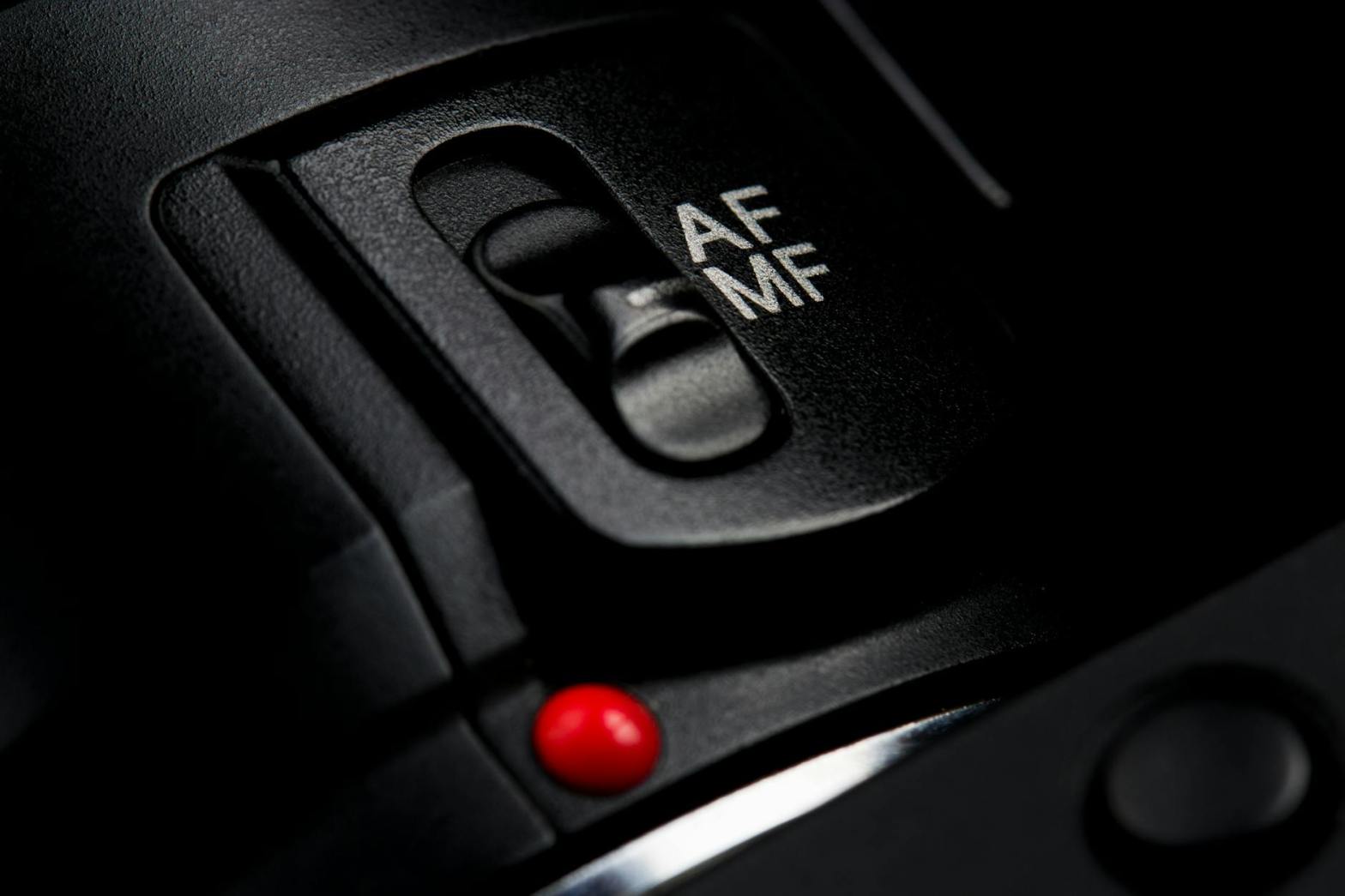
Autofocus relies on the camera’s internal systems to determine and lock focus on a subject. In contrast, manual focus allows the photographer to control the focus by physically adjusting the lens. The choice between these two methods depends on the subject, shooting conditions, and your creative intent.


Autofocus (AF)

Autofocus systems are designed to quickly and accurately focus on a subject, making them indispensable for many types of photography. Autofocus can be broken down into two main types: phase detection and contrast detection.

How Autofocus Works

  1. Phase Detection:
    • Common in DSLRs and advanced mirrorless cameras, phase detection compares two images captured by the camera sensor to calculate focus. It is fast and effective, especially in well-lit conditions.
  2. Contrast Detection:
    • Found in many mirrorless and compact cameras, this method analyzes the image directly on the sensor to find the point of highest contrast, indicating sharp focus. While highly accurate, it can be slower, particularly in low light.

Autofocus Modes

Modern cameras offer a variety of autofocus modes tailored to different scenarios:

  1. Single-Point AF:
    • The camera focuses on a single point chosen by the photographer. Ideal for stationary subjects like portraits or still-life photography.
  2. Zone AF:
    • Focuses on a broader area, useful when photographing moving subjects like wildlife or sports.
  3. Tracking AF (Continuous AF):
    • Continuously adjusts focus to follow a moving subject, perfect for action shots or video recording.
  4. Eye/Face Detection AF:
    • Specifically designed to detect and lock focus on human or animal eyes, ensuring portraits are sharp and engaging.

Advantages of Autofocus

  • Speed and Convenience: Modern autofocus systems are incredibly fast, making them ideal for capturing fleeting moments.
  • Accuracy with Technology: Features like eye detection and subject tracking ensure precision.
  • Ease of Use: Perfect for beginners or situations where manual focus adjustments are impractical.

Challenges of Autofocus

  • Low-Light Performance: Autofocus may struggle in dim lighting or low-contrast scenes.
  • Specific Focal Points: The camera’s autofocus system might not lock onto the exact subject you want.
  • Creative Limitations: In some situations, autofocus may not allow the level of control required for specific artistic effects.

Manual Focus (MF)

Manual focus puts the photographer in full control of the focusing process. While it requires more skill and time, it offers unparalleled precision and creative flexibility.

How Manual Focus Works

Using manual focus involves rotating the focus ring on the lens to adjust the focus distance. Many modern cameras assist with manual focusing through tools like focus peaking and magnified views on the screen or electronic viewfinder.

When to Use Manual Focus

  1. Low-Light Conditions:
    • Autofocus often struggles in dim environments. Manual focus allows you to achieve clarity even in challenging lighting.
  2. Macro Photography:
    • When working with extremely close subjects, manual focus ensures pinpoint accuracy.
  3. Landscape Photography:
    • For vast scenes requiring focus on specific elements or achieving maximum depth of field, manual focus is invaluable.
  4. Creative Effects:
    • Manual focus lets you intentionally blur parts of an image, creating a dreamy, artistic look.

Advantages of Manual Focus

  • Precision: Allows for exact focus on the desired subject, especially in complex scenes.
  • Control: Essential for creative photography requiring unconventional focus points.
  • Reliability: Works consistently in situations where autofocus may fail, such as low contrast or low light.

Challenges of Manual Focus

  • Slower Process: Achieving precise focus takes time, making it less practical for fast-paced scenarios.
  • Steeper Learning Curve: Beginners may find manual focus intimidating and challenging to master.
  • Risk of Error: Without proper techniques, manual focus can lead to missed shots or soft images.

Comparing Autofocus and Manual Focus

Use Cases for Autofocus

  • Sports and Wildlife Photography:
    • Speed and tracking capabilities make autofocus essential for fast-moving subjects.
  • Portrait Photography:
    • Eye and face detection ensure the subject’s eyes are sharp.
  • Event Photography:
    • In dynamic, unpredictable environments, autofocus offers the reliability needed to capture moments as they unfold.

Use Cases for Manual Focus

  • Macro Photography:
    • Fine adjustments enable precise focus on tiny subjects.
  • Astrophotography:
    • Focusing on stars or distant objects requires manual adjustment.
  • Filmmaking:
    • Manual focus allows seamless control over focus pulls and creative storytelling.

Hybrid Approach

Many photographers use both techniques in tandem. For example, starting with autofocus to achieve a rough focus and then switching to manual for fine-tuning.


Tools to Enhance Focus Techniques

Modern cameras and lenses come equipped with features to enhance both autofocus and manual focus:

  1. Focus Peaking:
    • Highlights the areas in focus, aiding manual focusing.
  2. Magnified View:
    • Zooms into the focus area, allowing for precise adjustments.
  3. Customizable Focus Points:
    • Select specific areas for autofocus to prioritize.
  4. Touchscreen Focus:
    • Tap-to-focus functionality simplifies autofocus operation.

Tips for Mastering Focus

  1. Practice Manual Focus:
    • Spend time learning manual focus techniques to understand depth of field and focal planes better.
  2. Use a Tripod:
    • Stabilize your camera for sharper focus, especially when using manual focus.
  3. Understand Focus Modes:
    • Familiarize yourself with your camera’s autofocus modes and when to use them.
  4. Experiment with Depth of Field:
    • Play with aperture settings to achieve creative effects like background blur or full-scene sharpness.
  5. Inspect Your Images:
    • Use your camera’s playback zoom to check focus accuracy after capturing shots.

Conclusion

Both autofocus and manual focus are essential tools in a photographer’s arsenal. By understanding their unique strengths and limitations, you can make informed choices to suit any scenario. Autofocus excels in speed and convenience, while manual focus provides precision and creative control. Mastery of these focus techniques will empower you to capture sharp, compelling images, elevating your photography to new heights. The key lies in knowing your gear, practicing regularly, and experimenting to discover your preferred focus style.

Essential Accessories

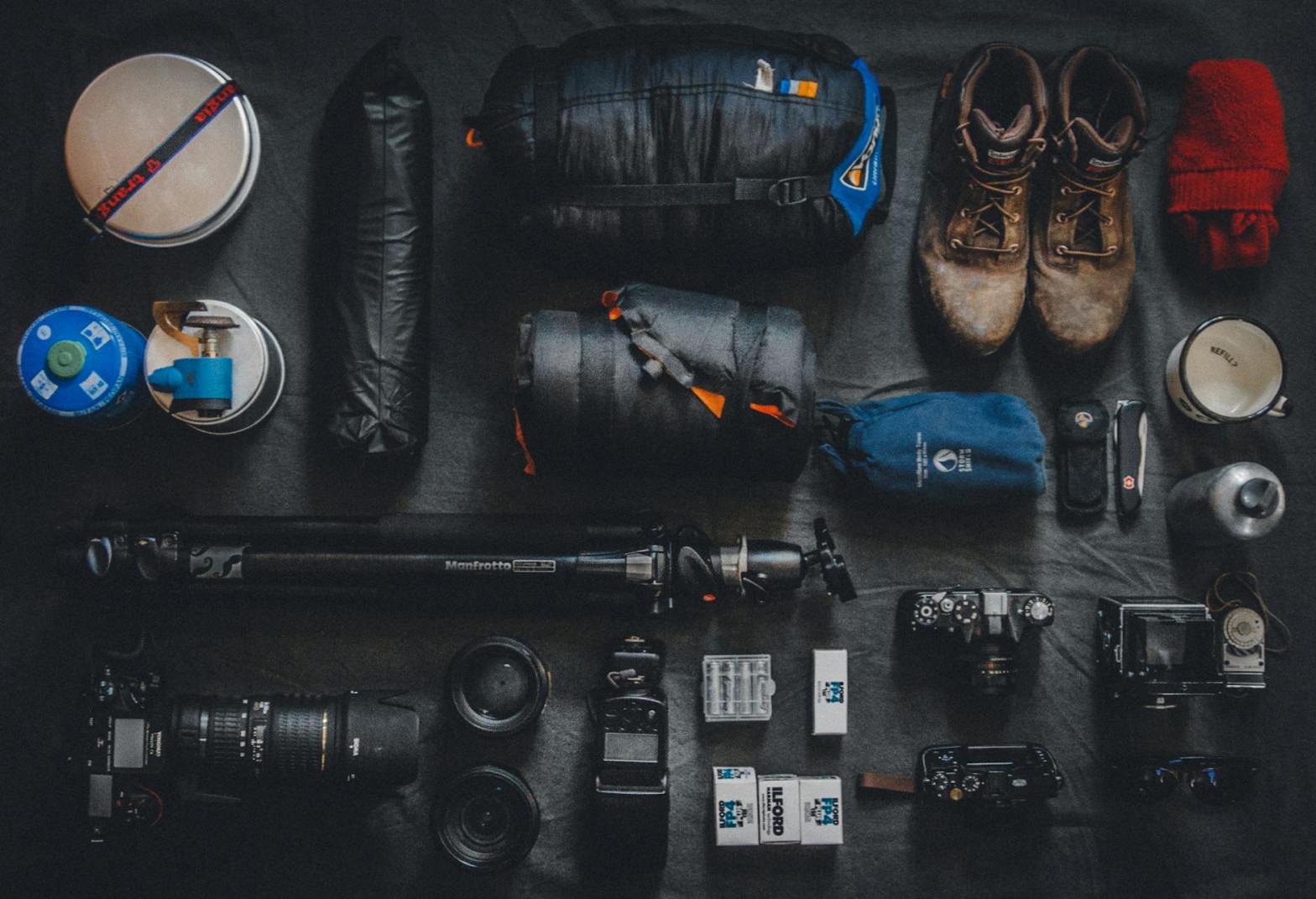
Having the right camera is just the beginning of your photographic journey. To make the most of your gear and achieve your creative vision, it’s crucial to invest in the right accessories. These tools enhance your photography experience, provide greater versatility, and help you overcome challenges in different shooting conditions. Here’s a comprehensive look at the essential accessories every photographer should consider.

1. Camera Lenses

The lens you use significantly influences the quality and style of your photographs. Different lenses cater to various types of photography:

Prime Lenses

  • Features: Fixed focal length, usually faster apertures (e.g., f/1.8, f/1.4).
  • Best For: Portraits, low-light photography, and sharp, detailed images.
  • Advantages: Superior image quality, lightweight, and compact.

Zoom Lenses

  • Features: Variable focal lengths (e.g., 24-70mm, 70-200mm).
  • Best For: Versatility and situations where changing lenses isn’t practical.
  • Advantages: Covers multiple focal lengths, making them great for travel and events.

Specialty Lenses

  • Macro Lenses: Ideal for close-up photography of small subjects like insects and flowers.
  • Wide-Angle Lenses: Perfect for landscapes and architectural shots.
  • Telephoto Lenses: Great for sports and wildlife photography, enabling you to capture distant subjects.

2. Tripods

A tripod is an indispensable tool for stable and sharp images, especially in challenging lighting conditions.

Types of Tripods

  • Full-Size Tripods: Offer maximum stability; ideal for landscapes, portraits, and studio work.
  • Travel Tripods: Lightweight and compact, designed for photographers on the go.
  • Mini Tripods: Perfect for tabletop photography and compact setups.

Key Features to Look For

  • Material: Aluminum (affordable and durable) or carbon fiber (lightweight and sturdy).
  • Height: Adjustable to suit your shooting needs.
  • Load Capacity: Ensure it can support your camera and heaviest lens.

3. Camera Bags

A reliable camera bag protects your gear and makes it easy to transport. Choose a bag based on your shooting style and the amount of equipment you carry.

Popular Options

  • Backpacks: Excellent for carrying multiple lenses and accessories over long distances.
  • Shoulder Bags: Ideal for quick access to your camera and lenses.
  • Sling Bags: A hybrid option offering convenience and moderate capacity.
  • Hard Cases: Provide maximum protection for professional gear during travel.

4. Filters

Filters are essential for controlling light, enhancing colors, and protecting your lenses.

Common Filter Types

  • UV Filters: Protect the lens from scratches and dust.
  • Polarizing Filters: Reduce reflections and enhance color saturation in skies and water.
  • Neutral Density (ND) Filters: Reduce light entering the lens, allowing slower shutter speeds for creative effects like smooth water or motion blur.

Choosing Filters

Invest in high-quality filters that match your lens diameter to ensure optimal performance.

5. External Flash and Lighting Equipment

Natural light isn’t always sufficient, and mastering artificial lighting opens up new creative possibilities.

Flash Options

  • On-Camera Flash: Compact and portable, great for event photography.
  • Off-Camera Flash: Offers flexibility in positioning for creative lighting setups.

Other Lighting Accessories

  • Reflectors: Bounce light onto your subject to fill in shadows.
  • Softboxes: Diffuse light for softer, more flattering portraits.
  • Light Stands: Provide stability and positioning for off-camera flashes or continuous lights.

6. Memory Cards

High-quality memory cards are vital for storing your images securely.

What to Look For

  • Capacity: Choose cards with ample storage (e.g., 64GB, 128GB) for long shoots.
  • Speed: High write speeds (e.g., 90MB/s or higher) are essential for burst shooting and 4K video.
  • Reliability: Opt for trusted brands like SanDisk, Lexar, or Samsung.

Backup Solutions

Carry multiple cards and consider portable hard drives or cloud storage for redundancy.

7. Batteries and Chargers

Running out of battery power can cut a shoot short. Always carry extras.

Recommendations

  • Extra Batteries: Ensure compatibility with your camera model.
  • Portable Chargers or Power Banks: Keep your camera and other devices charged on the go.
  • Battery Grips: Attach to your camera for extended shooting time and better ergonomics.

8. Remote Shutter Release

A remote shutter release helps eliminate camera shake, especially for long exposures and self-portraits.

Types

  • Wired Remotes: Simple and affordable, connect directly to your camera.
  • Wireless Remotes: Offer greater flexibility, often with additional features like interval shooting.
  • App-Based Controls: Use your smartphone to control your camera remotely.

9. Cleaning Equipment

Keeping your gear clean ensures optimal performance and longevity.

Essential Tools

  • Lens Cloths and Cleaning Solution: For removing smudges and dust from lenses.
  • Air Blower: Safely remove dust from your sensor and lens without touching them.
  • Sensor Cleaning Kits: For more thorough cleaning when needed.
  • Microfiber Cloths: General cleaning for camera bodies and accessories.

10. Straps and Harnesses

Comfortable straps and harnesses make carrying your camera easier during long shoots.

Options

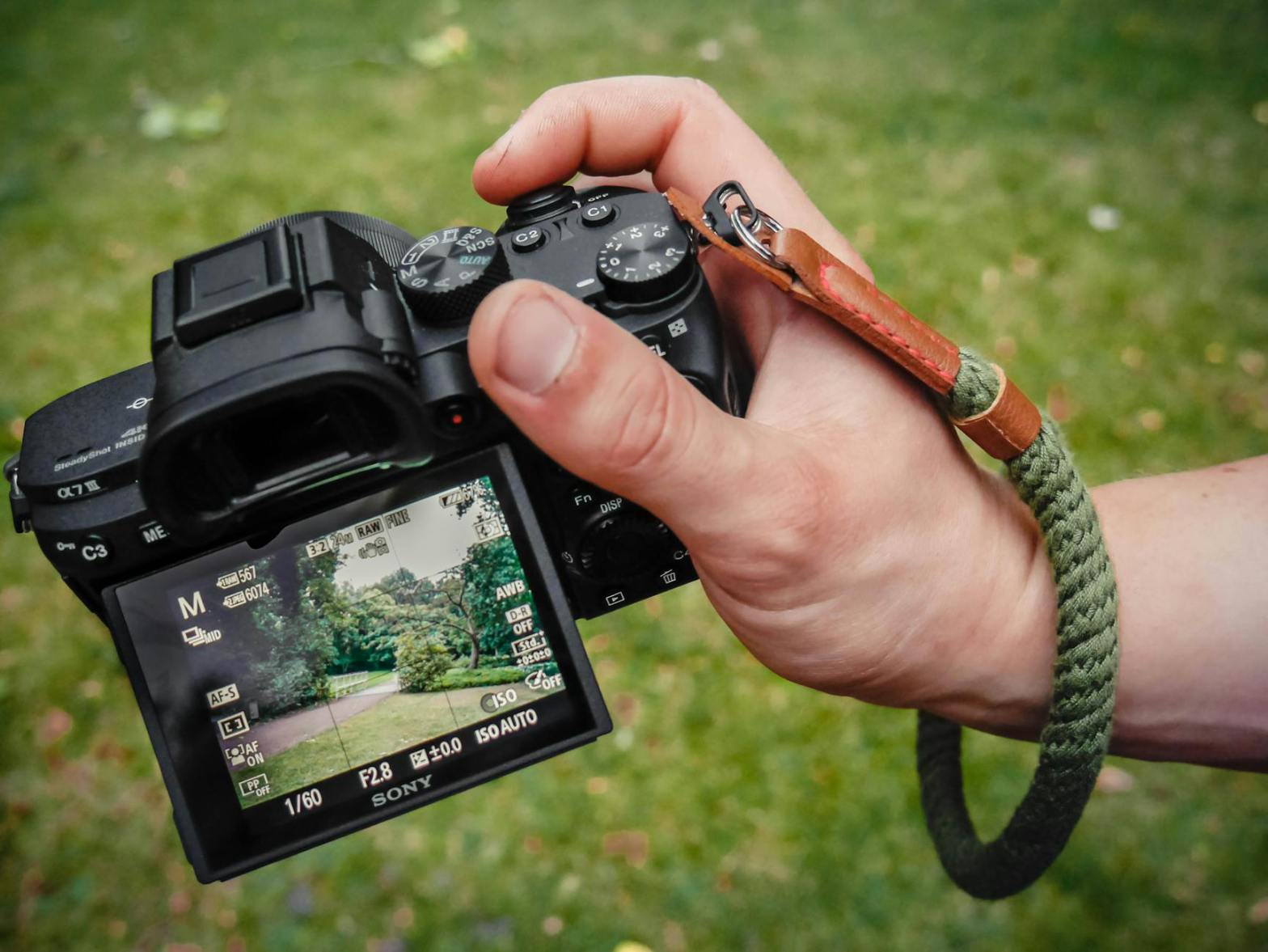
  • Neck Straps: Standard straps provided with cameras, though aftermarket options offer better comfort.
  • Wrist Straps: Compact and ideal for lighter cameras.
  • Harnesses: Distribute weight evenly for carrying multiple cameras.

11. Software and Apps

Post-processing software and mobile apps are essential for editing and managing your photos.

Popular Choices

  • Adobe Lightroom and Photoshop: Industry-standard tools for comprehensive editing.
  • Capture One: Known for exceptional color grading and tethered shooting.
  • Mobile Apps: Snapseed and VSCO for editing on the go.

Listen to the podcast here –

Conclusion

Investing in essential accessories enhances your ability to capture the images you envision and ensures a smoother, more enjoyable photography experience. From lenses and tripods to lighting and software, each accessory plays a critical role in expanding your creative capabilities. As you grow in your photographic journey, building a versatile toolkit will empower you to tackle any challenge and achieve your artistic goals.

Key Features to Compare

When choosing a camera, it’s important to consider the following features:

Sensor Size

The sensor is the heart of the camera, capturing the light that forms an image. Larger sensors typically produce higher-quality images because they gather more light. Common sensor sizes include:

  • Full-Frame Sensors: Found in high-end DSLRs and mirrorless cameras, these sensors are equivalent to 35mm film and provide excellent low-light performance and depth of field control.
  • APS-C Sensors: Slightly smaller than full-frame, these are common in mid-range cameras and offer a good balance of quality and affordability.
  • Micro Four Thirds Sensors: Used in many compact and mirrorless cameras, these sensors are smaller but still capable of producing excellent images.
  • Smartphone Sensors: These are the smallest and rely on computational photography to enhance image quality.

Megapixels

Megapixels refer to the resolution of a camera’s sensor. While more megapixels can mean more detail, it’s not the only factor affecting image quality. High megapixel counts are useful for large prints and detailed cropping but may require more storage and processing power.

Lens Compatibility

A camera’s versatility is significantly influenced by the lenses available. Interchangeable lens systems, like those in DSLRs and mirrorless cameras, offer wide creative possibilities. Look for cameras with:

  • Wide Lens Selection: Ensure the camera’s system has lenses suitable for your needs, whether wide-angle, macro, or telephoto.
  • Third-Party Support: Some brands have more third-party lens options, which can be more affordable.

Portability

The best camera is the one you have with you. Consider:

  • Weight and Size: Mirrorless cameras and compact cameras are more portable than DSLRs.
  • Travel Needs: If you plan to carry your camera often, prioritize a lightweight and durable option.

Price

Balancing your budget with your desired features is crucial. Entry-level DSLRs and compact cameras are affordable starting points, while professional models and lenses can be significant investments.

Battery Life

Long battery life is essential for extended shoots, especially when traveling. DSLRs generally have longer battery life due to their optical viewfinders, while mirrorless cameras may require extra batteries.

Autofocus System

Advanced autofocus systems are invaluable for capturing fast-moving subjects. Mirrorless cameras often have cutting-edge tracking capabilities, making them ideal for video and action photography.

Connectivity

Modern cameras often include Wi-Fi, Bluetooth, or NFC for easy sharing and remote control. These features are particularly handy for smartphone photographers transitioning to dedicated cameras.

Listen to the podcast here –

Conclusion

Understanding and comparing these key features will empower you to choose the camera that aligns best with your needs and goals. Whether prioritizing image quality, portability, or affordability, a well-informed decision ensures you’ll have the right tool to capture your creative vision

Types of Cameras

Types of Cameras: DSLRs, Mirrorless, Compact, and Smartphone Cameras

Photography begins with understanding your tools. Each type of camera has unique features, strengths, and limitations that cater to different needs, styles, and levels of expertise. Below, we explore the primary types of cameras available today.

DSLRs (Digital Single-Lens Reflex Cameras)

DSLRs are the workhorses of professional and enthusiast photography. They use a mirror mechanism to reflect light from the lens into an optical viewfinder, allowing photographers to see exactly what the lens sees.

Key Features:

  • Interchangeable Lenses: DSLRs offer a wide range of lenses, from wide-angle to telephoto, giving photographers incredible versatility.
  • Superior Image Quality: Equipped with large sensors, DSLRs excel in capturing detailed, high-resolution images, even in low light.
  • Manual Control: These cameras provide extensive control over settings like aperture, shutter speed, and ISO, making them ideal for learning and mastery.
  • Durability: Designed for rigorous use, many DSLRs are weather-sealed and robust.

Considerations:

  • Size and Weight: DSLRs are bulkier and heavier compared to other camera types.
  • Learning Curve: Beginners may need time to get accustomed to the controls and features.

Mirrorless Cameras

Mirrorless cameras have revolutionized the photography world by eliminating the mirror mechanism, offering a more compact alternative to DSLRs. Instead of an optical viewfinder, they use an electronic viewfinder or the LCD screen to display the image.

Key Features:

  • Compact Design: Without the bulky mirror assembly, mirrorless cameras are lighter and more portable.
  • Electronic Viewfinder (EVF): The EVF displays real-time exposure and settings adjustments, giving photographers immediate feedback.
  • Interchangeable Lenses: Like DSLRs, mirrorless cameras support a variety of lenses.
  • Advanced Autofocus Systems: Mirrorless cameras often have superior autofocus tracking, especially for video.

Considerations:

  • Battery Life: The reliance on electronic components can drain the battery faster.
  • Limited Lens Selection: While improving, lens options for some systems may be narrower than those for DSLRs.

Compact Cameras

Also known as point-and-shoot cameras, compact cameras are designed for simplicity and ease of use. They cater to casual photographers who want decent image quality without the complexity of larger systems.

Key Features:

  • Portability: Compact and lightweight, these cameras are perfect for on-the-go photography.
  • Ease of Use: With automatic settings, they are ideal for beginners or those who prefer a hassle-free experience.
  • Integrated Lenses: These cameras typically have fixed lenses with varying zoom ranges.
  • Affordability: Generally more budget-friendly than DSLRs and mirrorless cameras.

Considerations:

  • Limited Manual Control: Compact cameras may not offer much flexibility for advanced settings.
  • Image Quality: Smaller sensors can limit performance in low light and reduce depth of field control.

Smartphone Cameras

Smartphones have become the most widely used cameras in the world due to their convenience and ever-improving capabilities. Modern smartphones often feature multiple lenses and advanced computational photography.

Key Features:

  • Always Accessible: Smartphones are almost always within reach, making them perfect for spontaneous photography.
  • Computational Enhancements: Features like HDR, portrait mode, and night mode enhance image quality.
  • Social Media Integration: Easy sharing directly from the device.
  • Video Capabilities: High-quality video recording with features like stabilization.

Considerations:

  • Sensor Size: While improving, smartphone sensors are still smaller than those of dedicated cameras.
  • Limited Manual Controls: Many smartphones rely on automatic settings, although some offer “pro” modes.
  • Fixed Lenses: Without interchangeable lenses, smartphones rely on digital zoom, which can reduce image quality.

Key Features to Compare

When choosing a camera, it’s important to consider the following features:

  • Sensor Size: Larger sensors generally produce better image quality and handle low light better.
  • Megapixels: While not the sole determinant of quality, more megapixels can allow for larger prints and detailed crops.
  • Lens Compatibility: The availability of lenses can significantly impact your creative possibilities.
  • Portability: Consider how often and where you’ll be using the camera.
  • Price: Balance your budget with the features you prioritize.

Conclusion

Understanding the different types of cameras and their features is the first step in your photographic journey. Each type has its own strengths and is suited for specific needs, whether you’re capturing landscapes on a DSLR, vlogging with a mirrorless camera, documenting travel with a compact camera, or sharing moments instantly from your smartphone. Choose the camera that aligns with your goals and start exploring the endless possibilities of digital photography.