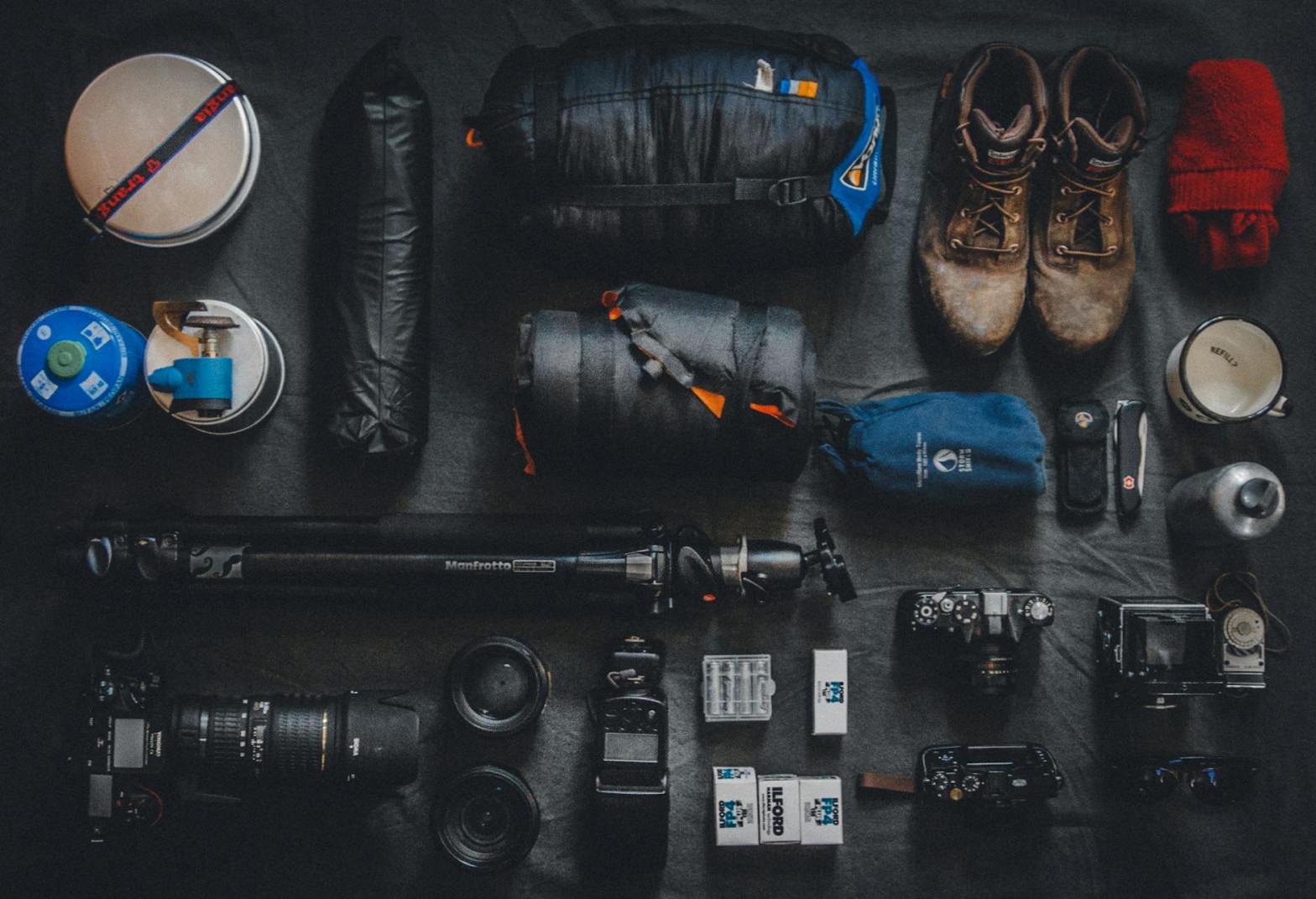
Having the right camera is just the beginning of your photographic journey. To make the most of your gear and achieve your creative vision, it’s crucial to invest in the right accessories. These tools enhance your photography experience, provide greater versatility, and help you overcome challenges in different shooting conditions. Here’s a comprehensive look at the essential accessories every photographer should consider.
1. Camera Lenses
The lens you use significantly influences the quality and style of your photographs. Different lenses cater to various types of photography:
Prime Lenses
- Features: Fixed focal length, usually faster apertures (e.g., f/1.8, f/1.4).
- Best For: Portraits, low-light photography, and sharp, detailed images.
- Advantages: Superior image quality, lightweight, and compact.
Zoom Lenses
- Features: Variable focal lengths (e.g., 24-70mm, 70-200mm).
- Best For: Versatility and situations where changing lenses isn’t practical.
- Advantages: Covers multiple focal lengths, making them great for travel and events.
Specialty Lenses
- Macro Lenses: Ideal for close-up photography of small subjects like insects and flowers.
- Wide-Angle Lenses: Perfect for landscapes and architectural shots.
- Telephoto Lenses: Great for sports and wildlife photography, enabling you to capture distant subjects.
2. Tripods
A tripod is an indispensable tool for stable and sharp images, especially in challenging lighting conditions.
Types of Tripods
- Full-Size Tripods: Offer maximum stability; ideal for landscapes, portraits, and studio work.
- Travel Tripods: Lightweight and compact, designed for photographers on the go.
- Mini Tripods: Perfect for tabletop photography and compact setups.
Key Features to Look For
- Material: Aluminum (affordable and durable) or carbon fiber (lightweight and sturdy).
- Height: Adjustable to suit your shooting needs.
- Load Capacity: Ensure it can support your camera and heaviest lens.
3. Camera Bags
A reliable camera bag protects your gear and makes it easy to transport. Choose a bag based on your shooting style and the amount of equipment you carry.
Popular Options
- Backpacks: Excellent for carrying multiple lenses and accessories over long distances.
- Shoulder Bags: Ideal for quick access to your camera and lenses.
- Sling Bags: A hybrid option offering convenience and moderate capacity.
- Hard Cases: Provide maximum protection for professional gear during travel.
4. Filters
Filters are essential for controlling light, enhancing colors, and protecting your lenses.
Common Filter Types
- UV Filters: Protect the lens from scratches and dust.
- Polarizing Filters: Reduce reflections and enhance color saturation in skies and water.
- Neutral Density (ND) Filters: Reduce light entering the lens, allowing slower shutter speeds for creative effects like smooth water or motion blur.
Choosing Filters
Invest in high-quality filters that match your lens diameter to ensure optimal performance.
5. External Flash and Lighting Equipment
Natural light isn’t always sufficient, and mastering artificial lighting opens up new creative possibilities.
Flash Options
- On-Camera Flash: Compact and portable, great for event photography.
- Off-Camera Flash: Offers flexibility in positioning for creative lighting setups.
Other Lighting Accessories
- Reflectors: Bounce light onto your subject to fill in shadows.
- Softboxes: Diffuse light for softer, more flattering portraits.
- Light Stands: Provide stability and positioning for off-camera flashes or continuous lights.
6. Memory Cards
High-quality memory cards are vital for storing your images securely.
What to Look For
- Capacity: Choose cards with ample storage (e.g., 64GB, 128GB) for long shoots.
- Speed: High write speeds (e.g., 90MB/s or higher) are essential for burst shooting and 4K video.
- Reliability: Opt for trusted brands like SanDisk, Lexar, or Samsung.
Backup Solutions
Carry multiple cards and consider portable hard drives or cloud storage for redundancy.
7. Batteries and Chargers
Running out of battery power can cut a shoot short. Always carry extras.
Recommendations
- Extra Batteries: Ensure compatibility with your camera model.
- Portable Chargers or Power Banks: Keep your camera and other devices charged on the go.
- Battery Grips: Attach to your camera for extended shooting time and better ergonomics.
8. Remote Shutter Release
A remote shutter release helps eliminate camera shake, especially for long exposures and self-portraits.
Types
- Wired Remotes: Simple and affordable, connect directly to your camera.
- Wireless Remotes: Offer greater flexibility, often with additional features like interval shooting.
- App-Based Controls: Use your smartphone to control your camera remotely.
9. Cleaning Equipment
Keeping your gear clean ensures optimal performance and longevity.
Essential Tools
- Lens Cloths and Cleaning Solution: For removing smudges and dust from lenses.
- Air Blower: Safely remove dust from your sensor and lens without touching them.
- Sensor Cleaning Kits: For more thorough cleaning when needed.
- Microfiber Cloths: General cleaning for camera bodies and accessories.
10. Straps and Harnesses
Comfortable straps and harnesses make carrying your camera easier during long shoots.
Options
- Neck Straps: Standard straps provided with cameras, though aftermarket options offer better comfort.
- Wrist Straps: Compact and ideal for lighter cameras.
- Harnesses: Distribute weight evenly for carrying multiple cameras.
11. Software and Apps
Post-processing software and mobile apps are essential for editing and managing your photos.
Popular Choices
- Adobe Lightroom and Photoshop: Industry-standard tools for comprehensive editing.
- Capture One: Known for exceptional color grading and tethered shooting.
- Mobile Apps: Snapseed and VSCO for editing on the go.
Listen to the podcast here –
Conclusion
Investing in essential accessories enhances your ability to capture the images you envision and ensures a smoother, more enjoyable photography experience. From lenses and tripods to lighting and software, each accessory plays a critical role in expanding your creative capabilities. As you grow in your photographic journey, building a versatile toolkit will empower you to tackle any challenge and achieve your artistic goals.
 Learning Digital Photography