Filters in Photography
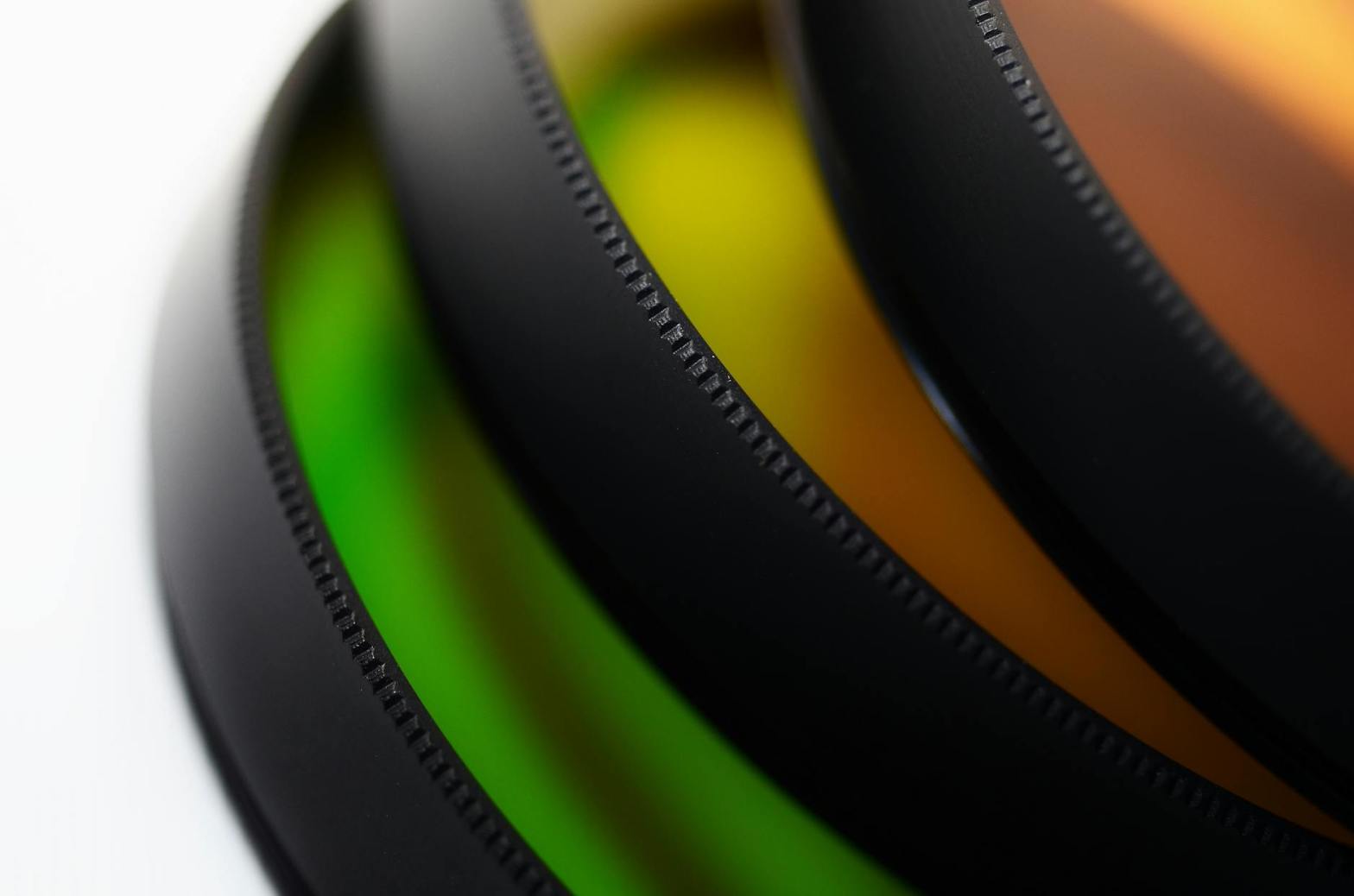
Filters are essential tools in photography that help control light, enhance colors, and protect your lenses. They can improve image quality, create special effects, and enable photographers to shoot in challenging lighting conditions. Whether you are a beginner or a professional, understanding the different types of filters and their uses will help you achieve better results in your photography.
Common Filter Types
UV Filters
UV filters were originally designed to reduce the effects of ultraviolet light on film photography, preventing hazy or bluish images. While modern digital sensors are less affected by UV light, UV filters are still widely used for lens protection.
Features and Benefits:
- Protects the front element of your lens from scratches, dust, and moisture
- Minimizes atmospheric haze in certain conditions
- Thin and lightweight, making them easy to leave on the lens permanently
Best For:
- General protection of camera lenses
- Outdoor photography to reduce atmospheric haze
- Situations where lens cleaning may be difficult or frequent
Polarizing Filters
Polarizing filters are among the most popular filters in photography due to their ability to manage reflections and enhance color saturation.
Features and Benefits:
- Reduces glare and reflections from non-metallic surfaces (e.g., water, glass, and foliage)
- Enhances color saturation, making skies appear deeper blue and foliage more vibrant
- Improves contrast in landscape photography
Best For:
- Landscape photography to deepen blue skies and enhance clouds
- Water photography to reduce glare and see beneath the surface
- Shooting through windows or glass to minimize reflections
Neutral Density (ND) Filters
Neutral Density (ND) filters reduce the amount of light entering the lens without affecting color balance. They allow photographers to use slower shutter speeds or wider apertures in bright conditions.
Features and Benefits:
- Enables long-exposure effects, such as silky smooth waterfalls or blurred motion in crowds
- Helps achieve a shallow depth of field in bright conditions by allowing wider apertures
- Available in various strengths (e.g., ND2, ND4, ND8, ND1000) to control different levels of light reduction
Best For:
- Long-exposure photography to capture motion blur
- Portrait photography in bright daylight to maintain a shallow depth of field
- Videography to maintain cinematic motion blur under strong lighting
Graduated Neutral Density (GND) Filters
Graduated Neutral Density filters are a variation of ND filters, featuring a gradual transition from dark to clear. They are commonly used in landscape photography.
Features and Benefits:
- Balances exposure between bright skies and darker foregrounds
- Available in hard or soft gradients for different horizon lines
- Enhances dynamic range in landscape photography
Best For:
- Landscape photography to properly expose both sky and land
- Sunset or sunrise photography to balance bright and dark areas
Color Filters
Color filters adjust the color balance of an image and are mostly used in black-and-white photography or creative shooting.
Features and Benefits:
- Red filters enhance contrast in black-and-white photography, making skies darker
- Blue filters can add a cool tone to images
- Creative effects can be achieved by introducing different colors into an image
Best For:
- Black-and-white photography to improve contrast
- Artistic photography for unique color effects
Infrared (IR) Filters
Infrared filters block visible light and allow only infrared light to reach the camera sensor, creating surreal and dreamlike effects.
Features and Benefits:
- Produces striking, otherworldly images with white foliage and dark skies
- Helps create unique artistic effects in digital photography
- Requires long exposures and careful post-processing
Best For:
- Experimental and creative photography
- Capturing surreal landscapes and unique portraits
Close-Up (Macro) Filters
Close-up filters function like magnifying glasses, allowing photographers to focus on small subjects without needing a dedicated macro lens.
Features and Benefits:
- Affordable alternative to macro lenses
- Easy to attach and remove
- Available in different magnification strengths (+1, +2, +4, etc.)
Best For:
- Macro photography of flowers, insects, and small objects
- Budget-conscious photographers who want to explore close-up photography
Choosing Filters
Selecting the right filter depends on your photography style and needs. Here are some key factors to consider:
Quality Matters
Investing in high-quality filters ensures minimal impact on image sharpness and color accuracy. Cheap filters can degrade image quality by introducing unwanted reflections, color casts, or vignetting.
Compatibility with Lens Diameter
Filters are available in different thread sizes to match the diameter of your lens. Check your lens specifications to find the correct size, or use step-up rings to adapt filters to multiple lenses.
Coating and Construction
Look for multi-coated filters to reduce reflections and flare. High-end filters often have water-resistant, anti-scratch coatings for added durability.
Screw-On vs. Square Filters
- Screw-on filters attach directly to the lens thread and are convenient for everyday use.
- Square filter systems require a holder but allow more flexibility, as multiple filters can be stacked and adjusted.
Using Filters Effectively
To maximize the benefits of filters, keep these tips in mind:
- Avoid overuse of filters: While filters can enhance your images, excessive stacking can lead to vignetting and loss of sharpness.
- Keep filters clean: Smudges and dust can impact image quality, so regularly clean filters with a microfiber cloth.
- Use filters with purpose: Understanding the effect of each filter will help you use them effectively to enhance your photography.
Conclusion
Filters are powerful tools that can significantly enhance your photography by controlling light, improving color, and adding creative effects. From UV protection to polarizing and ND filters, choosing the right one for your needs will help you achieve your desired results. Investing in quality filters and using them effectively will elevate your photography and open new creative possibilities.

 Learning Digital Photography