The lens you choose is one of the most important factors in determining the quality, composition, and overall look of your photographs. While the camera body plays a role in settings and processing, it is the lens that controls what and how you capture the scene in front of you. Lenses affect image sharpness, depth of field, and field of view, and each type is designed to cater to different photographic needs.
Understanding the different types of lenses and their uses will help you make informed decisions about which ones best suit your photography style. Below, we explore the primary categories of lenses, their features, advantages, and best use cases.
Prime Lenses
Features:
- Fixed focal length (e.g., 35mm, 50mm, 85mm, 135mm)
- Typically have wider apertures (e.g., f/1.8, f/1.4, f/1.2)
- Often superior in sharpness and optical quality compared to zoom lenses
Best For:
- Portrait photography
- Low-light conditions
- Street and documentary photography
- Creative depth-of-field effects
Advantages:
- Superior image quality: Because prime lenses have fewer moving parts and a simpler optical structure, they tend to produce sharper images with better contrast and minimal distortion.
- Faster apertures: The wider apertures available in prime lenses allow for better performance in low light and greater control over depth of field, enabling stunning bokeh (blurred background effects).
- Lightweight and compact: Prime lenses are generally smaller and lighter than zoom lenses, making them easy to carry and handle.
Popular Prime Lenses and Their Uses:
- 35mm f/1.8 or f/1.4: Excellent for street and environmental portrait photography. It provides a natural field of view, similar to the human eye.
- 50mm f/1.8 or f/1.4 (Nifty Fifty): A versatile lens that works well for portraits, everyday photography, and low-light situations.
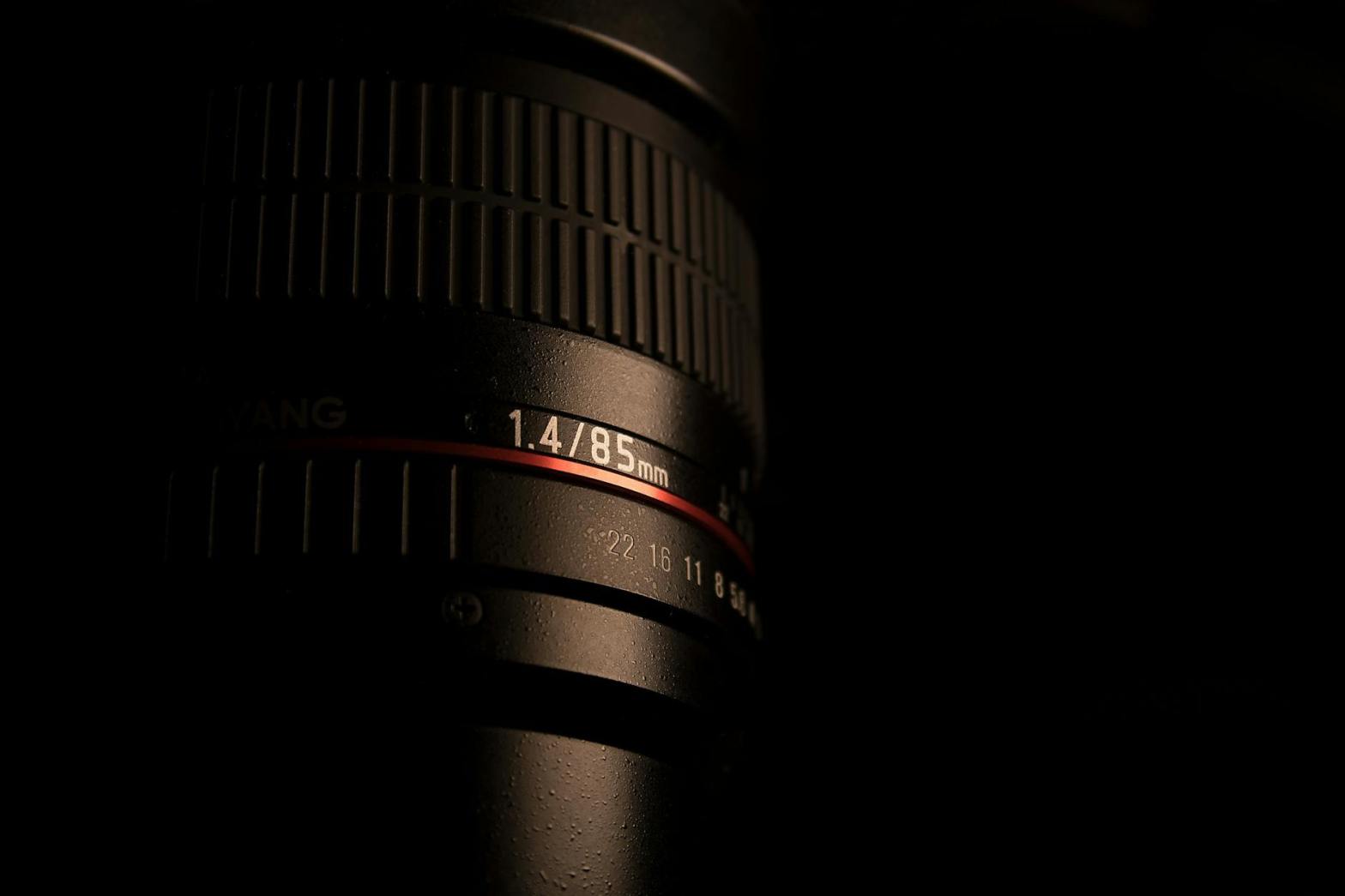
- 85mm f/1.4 or f/1.8: Ideal for portraiture due to its flattering perspective and ability to create a creamy background blur.
- 135mm f/2: Favored by portrait photographers for its stunning subject isolation and beautiful background compression.
Zoom Lenses
Features:
- Variable focal lengths (e.g., 24-70mm, 70-200mm, 18-135mm)
- Flexible composition options without the need to change lenses
- Slightly larger and heavier compared to prime lenses
Best For:
- Travel photography
- Event photography (weddings, concerts, journalism)
- Sports and wildlife photography
- Everyday versatility
Advantages:
- Versatility: A zoom lens can cover multiple focal lengths, reducing the need to carry multiple prime lenses.
- Convenience: Great for dynamic environments where changing lenses frequently isn’t feasible.
- Composition flexibility: Allows quick framing adjustments without physically moving closer or farther from the subject.
Popular Zoom Lenses and Their Uses:
- 24-70mm f/2.8: A favorite among professionals for its wide-to-short-telephoto range, excellent for landscapes, portraits, and events.
- 70-200mm f/2.8: Popular for sports, wildlife, and portrait photography, offering great reach and subject compression.
- 18-135mm f/3.5-5.6: A versatile all-in-one zoom lens, perfect for beginners or travel photographers who want a single lens solution.
- 100-400mm f/4.5-5.6: Great for wildlife and sports, offering a long reach with reasonable portability.
Specialty Lenses
Macro Lenses
Features:
- Designed for extreme close-ups with a high reproduction ratio (typically 1:1)
- Fixed focal lengths (e.g., 60mm, 90mm, 100mm, 105mm, 180mm)
- Exceptional sharpness and detail
Best For:
- Close-up photography of insects, flowers, jewelry, and textures
- Scientific and medical photography
- Product photography
Advantages:
- Unparalleled detail and sharpness
- Ability to capture subjects at life-size magnification (1:1 ratio)
- Often feature high-quality optics and coatings for minimizing chromatic aberrations
Popular Macro Lenses and Their Uses:
- 60mm f/2.8 Macro: Good for general close-up photography with a shorter working distance.
- 100mm f/2.8 Macro: A popular choice for insect photography due to a more comfortable working distance.
- 180mm f/3.5 Macro: Offers even more distance from the subject, useful for photographing skittish insects.
Wide-Angle Lenses
Features:
- Short focal lengths (e.g., 10-24mm, 14mm, 16-35mm)
- Expands the field of view, allowing more of the scene to be captured
- Some models have fisheye distortion for creative effects
Best For:
- Landscape photography
- Architecture and interior photography
- Astrophotography
Advantages:
- Captures expansive scenes with a dramatic perspective
- Great for storytelling compositions in travel and documentary photography
- Deep depth of field allows both foreground and background to stay in focus
Popular Wide-Angle Lenses and Their Uses:
- 16-35mm f/4 or f/2.8: A staple for landscape photographers, offering flexibility in framing.
- 14mm f/2.8: Great for astrophotography due to its wide field of view and fast aperture.
- 10-24mm f/4: Popular among architecture and real estate photographers for capturing interiors.
Telephoto Lenses
Features:
- Long focal lengths (e.g., 70-200mm, 300mm, 400mm, 600mm)
- Provides magnification for distant subjects
- Tends to be larger and heavier than standard lenses
Best For:
- Wildlife photography
- Sports and action photography
- Portrait photography (for subject compression)
Advantages:
- Allows photographers to capture subjects from a distance
- Creates beautiful background compression for subject isolation
- Essential for situations where getting physically closer is not possible
Popular Telephoto Lenses and Their Uses:
- 70-200mm f/2.8: A versatile choice for sports, portraits, and events.
- 300mm f/4: Offers reach with a more manageable weight for wildlife.
- 400mm f/2.8: A top choice for professional sports and wildlife photographers.
- 600mm f/4: Delivers extreme reach for birds and distant wildlife.
Conclusion
Choosing the right lens depends on your photography needs, budget, and creative vision. Prime lenses offer superior image quality and fast apertures, making them excellent for portraits and low-light conditions. Zoom lenses provide versatility and convenience, making them ideal for travel, events, and general photography. Specialty lenses, such as macro, wide-angle, and telephoto, cater to specific photographic genres, allowing photographers to expand their creative possibilities.
Investing in high-quality lenses can significantly enhance your photography and help you achieve professional-level results. Understanding the strengths and applications of each type will enable you to build a lens collection that suits your unique photographic style.

 Learning Digital Photography