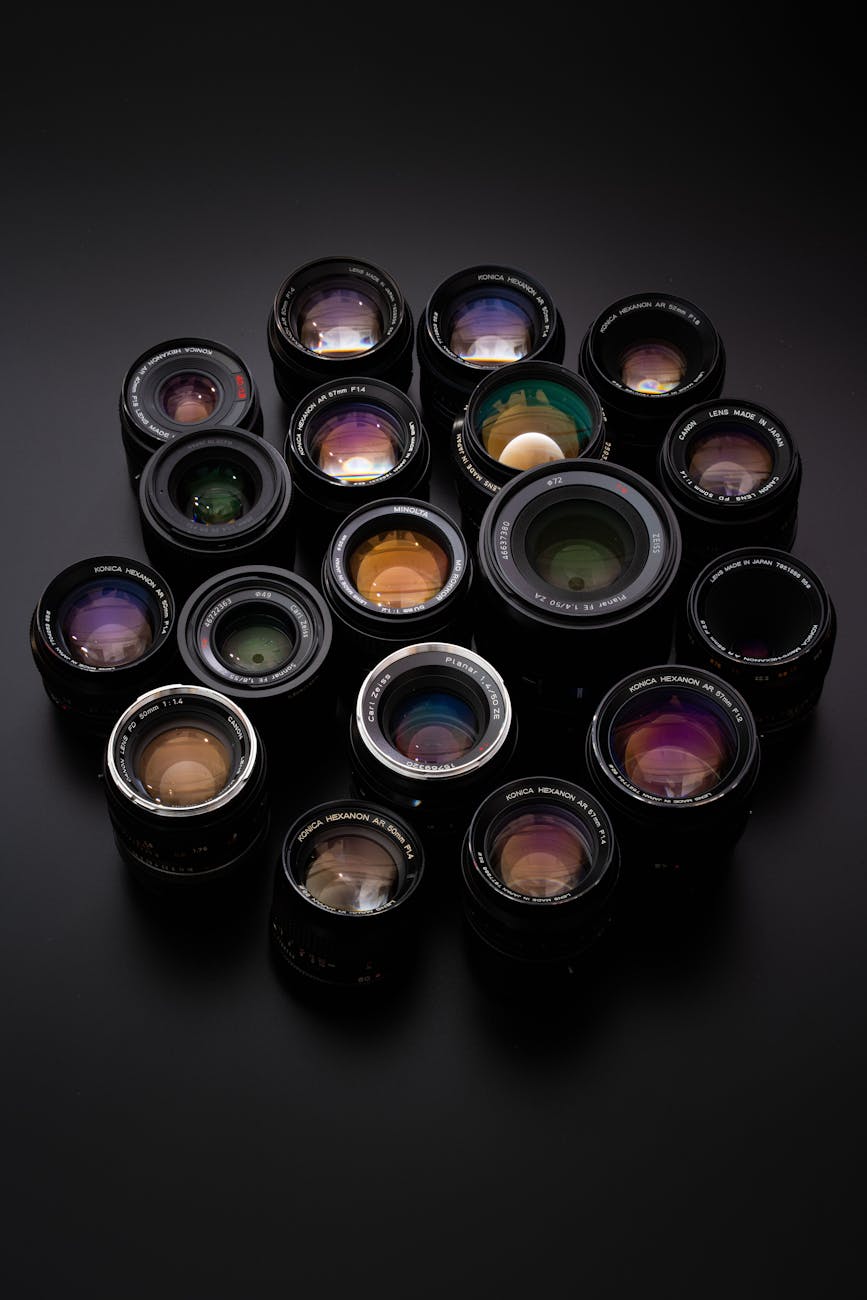
Lens Compatibility: A Key Factor in Learning Digital Photography
When embarking on a journey to master digital photography, one of the most crucial aspects to consider is lens compatibility. While camera bodies come packed with features, the lens you choose can have an even greater impact on the final image. Whether you’re a beginner or an aspiring professional, understanding lens compatibility is essential to making the most of your camera system and unlocking creative possibilities.
Why Lens Compatibility Matters
Unlike point-and-shoot cameras or smartphones with fixed lenses, DSLRs and mirrorless cameras support interchangeable lenses. This ability to swap lenses provides greater flexibility, allowing photographers to capture a variety of scenes, from sweeping landscapes to detailed macro shots. However, not all lenses are compatible with all cameras. Choosing the right lens involves understanding mount types, sensor size considerations, and third-party options.
Camera Mounts and Lens Compatibility
Every camera brand has a specific lens mount, which determines the lenses that can be attached to it. Understanding the different types of mounts is critical:
- Canon EF/EF-S/RF Mounts: Canon DSLRs use EF and EF-S lenses, while their mirrorless lineup utilizes RF lenses. Some adapters allow EF lenses to be used on RF-mount cameras.
- Nikon F/Z Mounts: Nikon’s F-mount is used for DSLRs, while their mirrorless cameras use the Z-mount. Like Canon, adapters can bridge the gap between older and newer lens systems.
- Sony E/FE Mounts: Sony’s mirrorless cameras use the E-mount for APS-C sensors and the FE-mount for full-frame sensors.
- Micro Four Thirds (MFT): Olympus and Panasonic share the MFT mount, offering a broad selection of compatible lenses across both brands.
Before purchasing a lens, always check that it is compatible with your camera’s mount. Using an adapter can expand lens compatibility but may introduce limitations such as slower autofocus or reduced functionality.
Choosing Lenses Based on Sensor Size
Digital cameras feature different sensor sizes, and the sensor type impacts which lenses will work best. The three most common sensor formats are:
- Full-Frame Sensors: These sensors use lenses designed specifically for full-frame cameras. They provide the highest image quality and a true focal length equivalent.
- APS-C Sensors: Cameras with APS-C sensors can use full-frame lenses but may apply a crop factor (typically 1.5x or 1.6x), effectively narrowing the field of view.
- Micro Four Thirds Sensors: These sensors apply a 2x crop factor, meaning a 50mm lens will behave like a 100mm lens in terms of field of view.
When selecting lenses, consider how the sensor size affects focal length and depth of field. For instance, a 35mm lens on a full-frame camera provides a standard wide-angle view, while on an APS-C camera, it acts more like a 50mm standard lens.
Essential Lens Types for Learning Photography
As you explore digital photography, you’ll encounter various lenses designed for specific types of photography. Here are some of the most important lenses to consider:
- Standard Prime Lens (50mm f/1.8): A versatile and affordable lens, great for portraits, street photography, and low-light situations.
- Wide-Angle Lens (16-35mm): Ideal for landscapes, architecture, and interior photography.
- Telephoto Lens (70-200mm): Perfect for wildlife, sports, and portrait photography with a compressed background.
- Macro Lens (100mm f/2.8): Designed for extreme close-ups, capturing intricate details in flowers, insects, and small objects.
- Zoom Lens (24-70mm f/2.8): A high-quality all-around lens that covers wide-angle to short telephoto focal lengths.
Third-Party Lenses: Expanding Your Options
Many photographers rely on third-party lens manufacturers such as Sigma, Tamron, and Tokina. These companies produce lenses compatible with multiple camera brands, often at a lower price than first-party options. Advantages of third-party lenses include:
- Affordability: Many third-party lenses offer professional-level quality at a fraction of the cost.
- Unique Features: Some brands introduce specialized features not found in first-party lenses, such as ultra-wide apertures or unique focal lengths.
- Compatibility with Multiple Brands: Some third-party lenses are available in multiple mounts, making it easier to switch camera brands without repurchasing lenses.
When purchasing a third-party lens, ensure it is designed for your camera’s mount and sensor size to avoid compatibility issues.
Adapting Lenses for Greater Flexibility
Adapters allow photographers to use lenses across different camera systems. For example:
- Canon EF lenses can be adapted to Canon RF and Sony E-mount cameras.
- Nikon F-mount lenses can be used on Nikon Z-mount bodies with an adapter.
- Vintage lenses from film cameras can often be adapted to modern mirrorless cameras, adding a unique character to images.
While adapters increase versatility, they may impact autofocus performance, image stabilization, and electronic communication between the camera and lens.
Conclusion: Choosing the Right Lens System
Lens compatibility plays a crucial role in learning digital photography. The ability to use different lenses expands creative possibilities, enhances image quality, and provides greater flexibility as your skills grow. When selecting a camera, consider the available lenses, third-party support, and adaptability to ensure a future-proof investment in your photography journey. Understanding how lenses interact with sensor sizes, mounts, and adapters will help you make informed choices, allowing you to focus on capturing stunning images.

 Learning Digital Photography