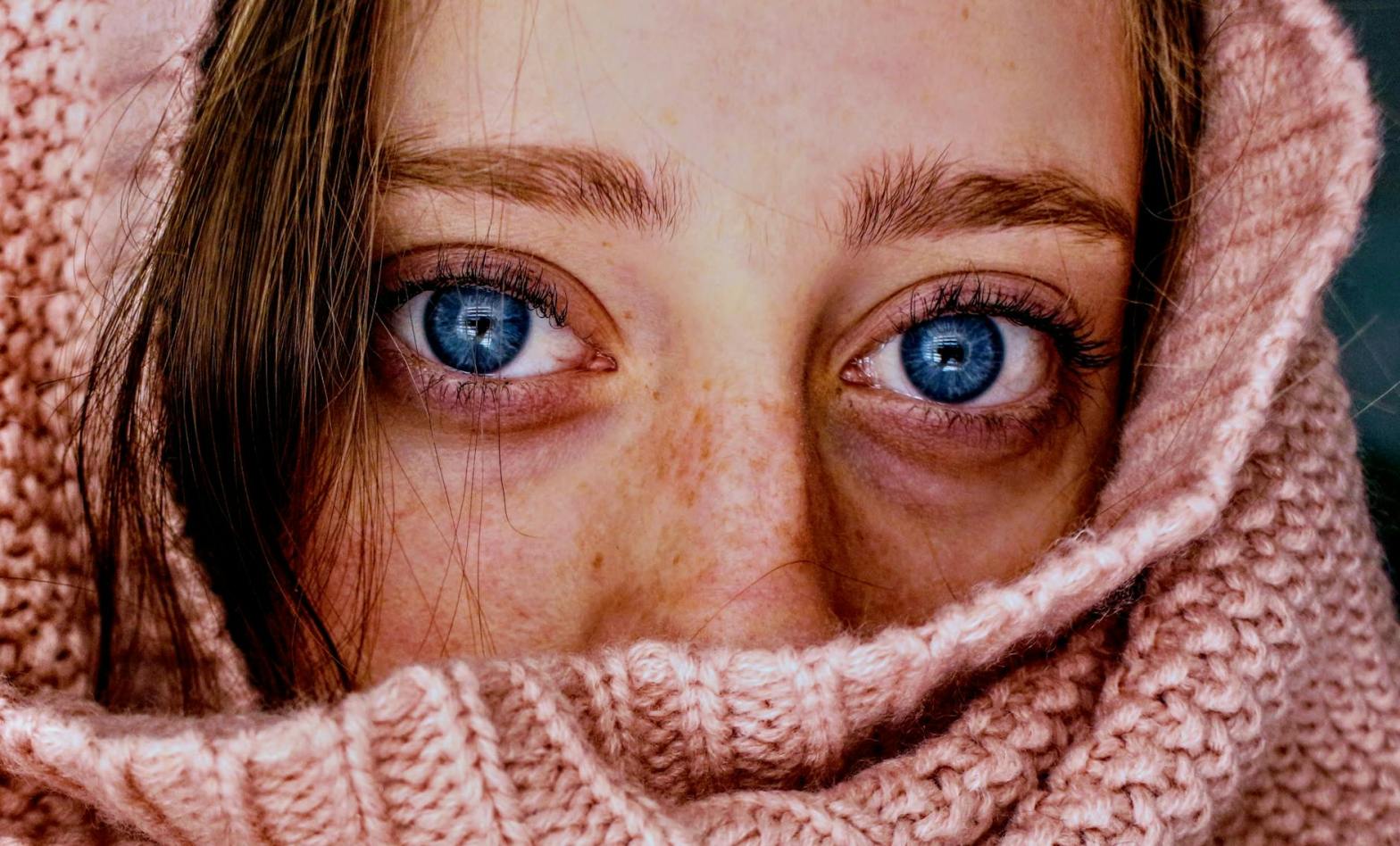
Portrait photography is an art that transcends the technical aspects of operating a camera. It is a powerful medium to capture the essence of a person, highlighting their emotions, expressions, and personality. To truly excel in portrait photography, one must learn not only the technical skills but also the creative techniques that bring out the best in their subjects. This guide delves into advanced methods for creating impactful portraits that evoke emotions and tell compelling stories.
The Importance of Mood and Expression
A great portrait does more than capture a likeness; it captures a feeling. Whether it’s joy, introspection, mystery, or confidence, mood and expression can transform a photograph from mundane to magical. The challenge lies in drawing out genuine emotions and using creative techniques to amplify their impact.
To master this art, you need to consider the following:
- Understanding the Subject: Each individual is unique. Spend time getting to know your subject and understanding their personality.
- Storytelling: A portrait can be a standalone image or part of a series that narrates a story. Define the mood and narrative you want to convey.
- Connection: Establish trust and rapport with your subject to make them comfortable in front of the camera.
Creative Approaches to Capturing Expressions
1. Candid Portraiture
Candid portraits are a fantastic way to capture authentic emotions. Unlike posed photographs, these rely on observing and photographing subjects in natural settings or moments.
Techniques for Candid Portraits:
- Blend In: Avoid drawing attention to yourself. Use longer focal lengths to shoot from a distance.
- Stay Ready: Keep your camera settings optimized for the environment to capture fleeting moments.
- Be Observant: Look for interactions, gestures, or glances that reveal personality and emotion.
Candid photography works particularly well in lifestyle shoots, where subjects are immersed in their activities, unaware of the camera.
2. Directing Poses for Expressions
While candid moments are beautiful, posed portraits offer another dimension of creativity and control. To capture genuine expressions in posed settings, the photographer plays the role of a director.
Tips for Encouraging Natural Expressions:
- Give Simple Instructions: Avoid over-complicating directions. Instead of saying, “Smile naturally,” make them laugh with a lighthearted joke or a shared anecdote.
- Engage in Conversation: Talk to your subject during the shoot. A relaxed conversation can elicit real emotions.
- Use Props or Prompts: Encourage interaction with objects like books, hats, or instruments to create a sense of story and ease.
- Explore Micro-Movements: Small tilts of the head, shifts in gaze, or changes in hand placement can add subtle dynamism to the pose.
3. Eye Contact and Gaze
The subject’s eyes often become the focal point of a portrait. They can convey a range of emotions and act as a window into the subject’s soul.
Techniques for Capturing the Gaze:
- Direct Gaze: A strong, direct look into the camera creates an intimate connection with the viewer.
- Off-Camera Gaze: Ask the subject to look at something beyond the frame to create intrigue or mystery.
- Closed Eyes: Closed eyes can evoke serenity, contemplation, or vulnerability, offering a different emotional tone.
Using light to emphasize the eyes, such as catchlights, adds a touch of brilliance and life to the portrait.
4. Incorporating Motion
Adding motion to a portrait can infuse energy and mood. Whether it’s hair blowing in the wind or hands mid-gesture, movement brings dynamism to the frame.
Creative Motion Ideas:
- Flowing Fabrics: Use scarves or dresses to create elegant, fluid motion.
- Hair Movement: A fan or natural breeze can add a sense of vitality to the subject’s hair.
- Expressive Hands: Encourage the subject to interact with their environment, adding storytelling elements to the image.
- Walking or Dancing: Suggest simple actions like walking, twirling, or dancing to bring spontaneity to the session.
To effectively capture motion, adjust your shutter speed to either freeze the action or introduce intentional blur for artistic effects.
Mastering Lighting for Mood
Lighting plays a crucial role in shaping mood and expressions in portrait photography. The type, direction, and intensity of light can dramatically affect the emotional tone of the image.
1. Natural Light
Natural light is a versatile and accessible tool for portrait photographers. The time of day and weather conditions can influence its quality.
Golden Hour:
The soft, warm light during sunrise and sunset is ideal for creating romantic and flattering portraits.
Overcast Days:
Diffuse light on cloudy days eliminates harsh shadows, offering a softer and even illumination.
Window Light:
Positioning the subject near a window can create stunning, directional light indoors.
2. Studio Lighting
Studio lighting offers unparalleled control over how you illuminate your subject. Use one or multiple light sources to create specific effects.
Common Lighting Setups:
- Rembrandt Lighting: A triangular highlight under one eye adds drama and depth.
- Butterfly Lighting: A light placed above and in front of the subject creates flattering shadows under the nose and chin.
- Split Lighting: Half of the face is lit while the other half remains in shadow, evoking a moody, mysterious feel.
3. Creative Lighting Techniques
- Colored Gels: Add vibrant colors to your lighting setup to evoke specific emotions or themes.
- Silhouettes: Position the subject against a strong backlight to create striking outlines.
- Low-Key Lighting: Use minimal light and deep shadows for dramatic, high-contrast portraits.
Using Environment and Props to Enhance Mood
The setting and props in a portrait photograph contribute significantly to its narrative.
1. Environmental Portraits
Capture your subject in their natural environment to tell a story about their life, profession, or hobbies. For instance:
- An artist in their studio.
- A musician with their instrument.
Tips for Environmental Portraits:
- Integrate the Background: Ensure the environment complements rather than distracts from the subject.
- Use Depth: Incorporate foreground and background elements to add dimensionality.
2. Creative Props
Props can add context, color, and interaction to a portrait. Choose objects that are meaningful or visually engaging. Examples include:
- Books, flowers, or hats.
- Personal items that reflect the subject’s character.
Advanced Techniques for Expressive Portraits
1. Double Exposure
Combine two images into a single frame to create surreal, artistic portraits. For example, overlay a profile shot with a textured landscape.
2. Reflections
Use mirrors, water, or glass to introduce reflections, adding a layer of complexity and creativity.
3. Shadows and Patterns
Experiment with patterned shadows created by blinds, leaves, or lace to add texture and interest.
4. Bokeh Backgrounds
Use a wide aperture to create a blurred background filled with light or colorful details for a dreamy effect.
Post-Processing for Mood and Expression
Editing allows you to enhance the mood of your portraits further.
1. Color Grading
Adjust the tones to complement the mood. Warm tones can convey nostalgia, while cool tones evoke modernity or melancholy.
2. Dodge and Burn
Lighten or darken specific areas to guide the viewer’s eye and add depth to the portrait.
3. Texture and Clarity
Enhance skin textures and fine details, but maintain a natural look.
4. Black and White Conversion
Remove color to focus entirely on expression, light, and contrast.
Conclusion
Portrait photography is an exploration of emotion, personality, and storytelling. By combining creative techniques with a deep understanding of your subject, you can create compelling images that resonate on a personal and artistic level. Experiment with lighting, poses, and environments to refine your skills and push the boundaries of what’s possible in portraiture.
Remember, the best portraits are not just technically perfect—they are emotionally impactful, connecting the viewer with the subject in a meaningful way.

 Learning Digital Photography