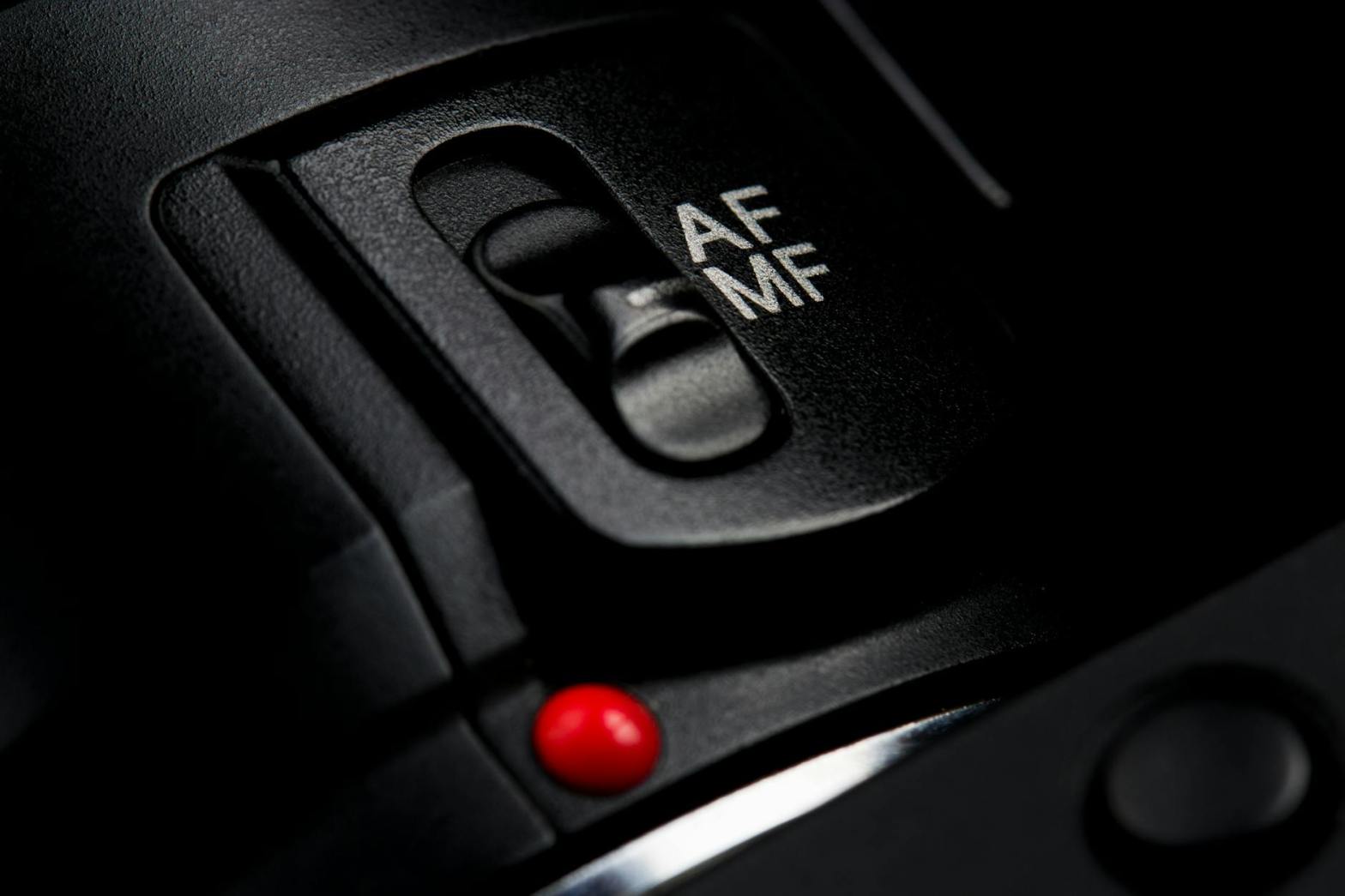
Focus is one of the most critical aspects of photography. Without proper focus, even the most beautifully composed and perfectly exposed photographs can fall flat. To achieve sharp, captivating images, it is essential to understand focus techniques, particularly the use of autofocus (AF) and manual focus (MF). Each method has its strengths and weaknesses, and knowing when and how to use them will elevate your photography.
Understanding Focus
Focus refers to the process of adjusting the lens to render the subject sharp and clear in the final image. It determines which part of the image appears sharpest, creating a focal point for the viewer. Modern cameras offer both autofocus and manual focus capabilities, providing photographers with flexibility.
Autofocus relies on the camera’s internal systems to determine and lock focus on a subject. In contrast, manual focus allows the photographer to control the focus by physically adjusting the lens. The choice between these two methods depends on the subject, shooting conditions, and your creative intent.
Autofocus (AF)
Autofocus systems are designed to quickly and accurately focus on a subject, making them indispensable for many types of photography. Autofocus can be broken down into two main types: phase detection and contrast detection.
How Autofocus Works
- Phase Detection:
- Common in DSLRs and advanced mirrorless cameras, phase detection compares two images captured by the camera sensor to calculate focus. It is fast and effective, especially in well-lit conditions.
- Contrast Detection:
- Found in many mirrorless and compact cameras, this method analyzes the image directly on the sensor to find the point of highest contrast, indicating sharp focus. While highly accurate, it can be slower, particularly in low light.
Autofocus Modes
Modern cameras offer a variety of autofocus modes tailored to different scenarios:
- Single-Point AF:
- The camera focuses on a single point chosen by the photographer. Ideal for stationary subjects like portraits or still-life photography.
- Zone AF:
- Focuses on a broader area, useful when photographing moving subjects like wildlife or sports.
- Tracking AF (Continuous AF):
- Continuously adjusts focus to follow a moving subject, perfect for action shots or video recording.
- Eye/Face Detection AF:
- Specifically designed to detect and lock focus on human or animal eyes, ensuring portraits are sharp and engaging.
Advantages of Autofocus
- Speed and Convenience: Modern autofocus systems are incredibly fast, making them ideal for capturing fleeting moments.
- Accuracy with Technology: Features like eye detection and subject tracking ensure precision.
- Ease of Use: Perfect for beginners or situations where manual focus adjustments are impractical.
Challenges of Autofocus
- Low-Light Performance: Autofocus may struggle in dim lighting or low-contrast scenes.
- Specific Focal Points: The camera’s autofocus system might not lock onto the exact subject you want.
- Creative Limitations: In some situations, autofocus may not allow the level of control required for specific artistic effects.
Manual Focus (MF)
Manual focus puts the photographer in full control of the focusing process. While it requires more skill and time, it offers unparalleled precision and creative flexibility.
How Manual Focus Works
Using manual focus involves rotating the focus ring on the lens to adjust the focus distance. Many modern cameras assist with manual focusing through tools like focus peaking and magnified views on the screen or electronic viewfinder.
When to Use Manual Focus
- Low-Light Conditions:
- Autofocus often struggles in dim environments. Manual focus allows you to achieve clarity even in challenging lighting.
- Macro Photography:
- When working with extremely close subjects, manual focus ensures pinpoint accuracy.
- Landscape Photography:
- For vast scenes requiring focus on specific elements or achieving maximum depth of field, manual focus is invaluable.
- Creative Effects:
- Manual focus lets you intentionally blur parts of an image, creating a dreamy, artistic look.
Advantages of Manual Focus
- Precision: Allows for exact focus on the desired subject, especially in complex scenes.
- Control: Essential for creative photography requiring unconventional focus points.
- Reliability: Works consistently in situations where autofocus may fail, such as low contrast or low light.
Challenges of Manual Focus
- Slower Process: Achieving precise focus takes time, making it less practical for fast-paced scenarios.
- Steeper Learning Curve: Beginners may find manual focus intimidating and challenging to master.
- Risk of Error: Without proper techniques, manual focus can lead to missed shots or soft images.
Comparing Autofocus and Manual Focus
Use Cases for Autofocus
- Sports and Wildlife Photography:
- Speed and tracking capabilities make autofocus essential for fast-moving subjects.
- Portrait Photography:
- Eye and face detection ensure the subject’s eyes are sharp.
- Event Photography:
- In dynamic, unpredictable environments, autofocus offers the reliability needed to capture moments as they unfold.
Use Cases for Manual Focus
- Macro Photography:
- Fine adjustments enable precise focus on tiny subjects.
- Astrophotography:
- Focusing on stars or distant objects requires manual adjustment.
- Filmmaking:
- Manual focus allows seamless control over focus pulls and creative storytelling.
Hybrid Approach
Many photographers use both techniques in tandem. For example, starting with autofocus to achieve a rough focus and then switching to manual for fine-tuning.
Tools to Enhance Focus Techniques
Modern cameras and lenses come equipped with features to enhance both autofocus and manual focus:
- Focus Peaking:
- Highlights the areas in focus, aiding manual focusing.
- Magnified View:
- Zooms into the focus area, allowing for precise adjustments.
- Customizable Focus Points:
- Select specific areas for autofocus to prioritize.
- Touchscreen Focus:
- Tap-to-focus functionality simplifies autofocus operation.
Tips for Mastering Focus
- Practice Manual Focus:
- Spend time learning manual focus techniques to understand depth of field and focal planes better.
- Use a Tripod:
- Stabilize your camera for sharper focus, especially when using manual focus.
- Understand Focus Modes:
- Familiarize yourself with your camera’s autofocus modes and when to use them.
- Experiment with Depth of Field:
- Play with aperture settings to achieve creative effects like background blur or full-scene sharpness.
- Inspect Your Images:
- Use your camera’s playback zoom to check focus accuracy after capturing shots.
Conclusion
Both autofocus and manual focus are essential tools in a photographer’s arsenal. By understanding their unique strengths and limitations, you can make informed choices to suit any scenario. Autofocus excels in speed and convenience, while manual focus provides precision and creative control. Mastery of these focus techniques will empower you to capture sharp, compelling images, elevating your photography to new heights. The key lies in knowing your gear, practicing regularly, and experimenting to discover your preferred focus style.

 Learning Digital Photography