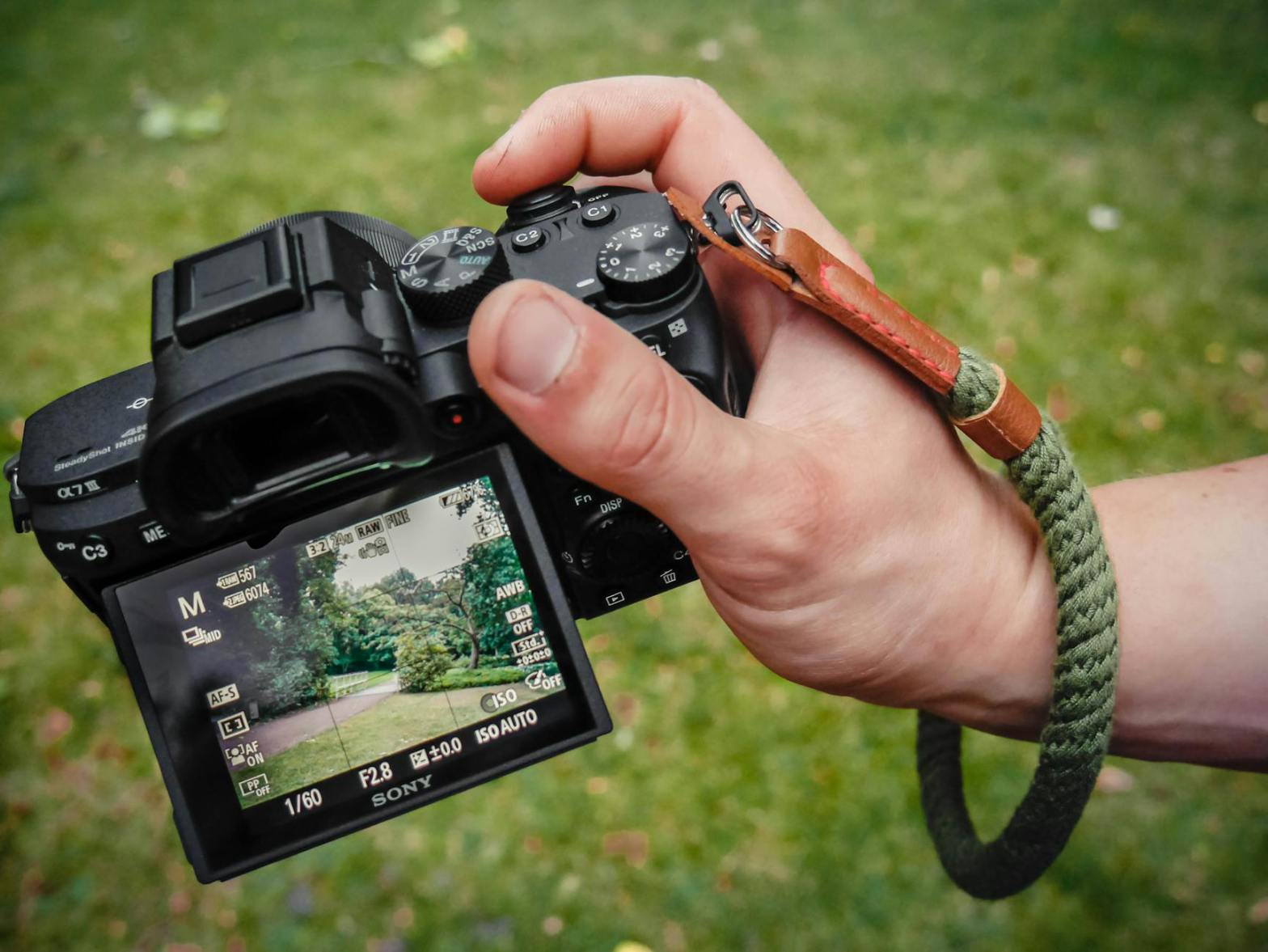
Types of Cameras: DSLRs, Mirrorless, Compact, and Smartphone Cameras
Photography begins with understanding your tools. Each type of camera has unique features, strengths, and limitations that cater to different needs, styles, and levels of expertise. Below, we explore the primary types of cameras available today.
DSLRs (Digital Single-Lens Reflex Cameras)
DSLRs are the workhorses of professional and enthusiast photography. They use a mirror mechanism to reflect light from the lens into an optical viewfinder, allowing photographers to see exactly what the lens sees.
Key Features:
- Interchangeable Lenses: DSLRs offer a wide range of lenses, from wide-angle to telephoto, giving photographers incredible versatility.
- Superior Image Quality: Equipped with large sensors, DSLRs excel in capturing detailed, high-resolution images, even in low light.
- Manual Control: These cameras provide extensive control over settings like aperture, shutter speed, and ISO, making them ideal for learning and mastery.
- Durability: Designed for rigorous use, many DSLRs are weather-sealed and robust.
Considerations:
- Size and Weight: DSLRs are bulkier and heavier compared to other camera types.
- Learning Curve: Beginners may need time to get accustomed to the controls and features.
Mirrorless Cameras
Mirrorless cameras have revolutionized the photography world by eliminating the mirror mechanism, offering a more compact alternative to DSLRs. Instead of an optical viewfinder, they use an electronic viewfinder or the LCD screen to display the image.
Key Features:
- Compact Design: Without the bulky mirror assembly, mirrorless cameras are lighter and more portable.
- Electronic Viewfinder (EVF): The EVF displays real-time exposure and settings adjustments, giving photographers immediate feedback.
- Interchangeable Lenses: Like DSLRs, mirrorless cameras support a variety of lenses.
- Advanced Autofocus Systems: Mirrorless cameras often have superior autofocus tracking, especially for video.
Considerations:
- Battery Life: The reliance on electronic components can drain the battery faster.
- Limited Lens Selection: While improving, lens options for some systems may be narrower than those for DSLRs.
Compact Cameras
Also known as point-and-shoot cameras, compact cameras are designed for simplicity and ease of use. They cater to casual photographers who want decent image quality without the complexity of larger systems.
Key Features:
- Portability: Compact and lightweight, these cameras are perfect for on-the-go photography.
- Ease of Use: With automatic settings, they are ideal for beginners or those who prefer a hassle-free experience.
- Integrated Lenses: These cameras typically have fixed lenses with varying zoom ranges.
- Affordability: Generally more budget-friendly than DSLRs and mirrorless cameras.
Considerations:
- Limited Manual Control: Compact cameras may not offer much flexibility for advanced settings.
- Image Quality: Smaller sensors can limit performance in low light and reduce depth of field control.
Smartphone Cameras
Smartphones have become the most widely used cameras in the world due to their convenience and ever-improving capabilities. Modern smartphones often feature multiple lenses and advanced computational photography.
Key Features:
- Always Accessible: Smartphones are almost always within reach, making them perfect for spontaneous photography.
- Computational Enhancements: Features like HDR, portrait mode, and night mode enhance image quality.
- Social Media Integration: Easy sharing directly from the device.
- Video Capabilities: High-quality video recording with features like stabilization.
Considerations:
- Sensor Size: While improving, smartphone sensors are still smaller than those of dedicated cameras.
- Limited Manual Controls: Many smartphones rely on automatic settings, although some offer “pro” modes.
- Fixed Lenses: Without interchangeable lenses, smartphones rely on digital zoom, which can reduce image quality.
Key Features to Compare
When choosing a camera, it’s important to consider the following features:
- Sensor Size: Larger sensors generally produce better image quality and handle low light better.
- Megapixels: While not the sole determinant of quality, more megapixels can allow for larger prints and detailed crops.
- Lens Compatibility: The availability of lenses can significantly impact your creative possibilities.
- Portability: Consider how often and where you’ll be using the camera.
- Price: Balance your budget with the features you prioritize.
Conclusion
Understanding the different types of cameras and their features is the first step in your photographic journey. Each type has its own strengths and is suited for specific needs, whether you’re capturing landscapes on a DSLR, vlogging with a mirrorless camera, documenting travel with a compact camera, or sharing moments instantly from your smartphone. Choose the camera that aligns with your goals and start exploring the endless possibilities of digital photography.

 Learning Digital Photography