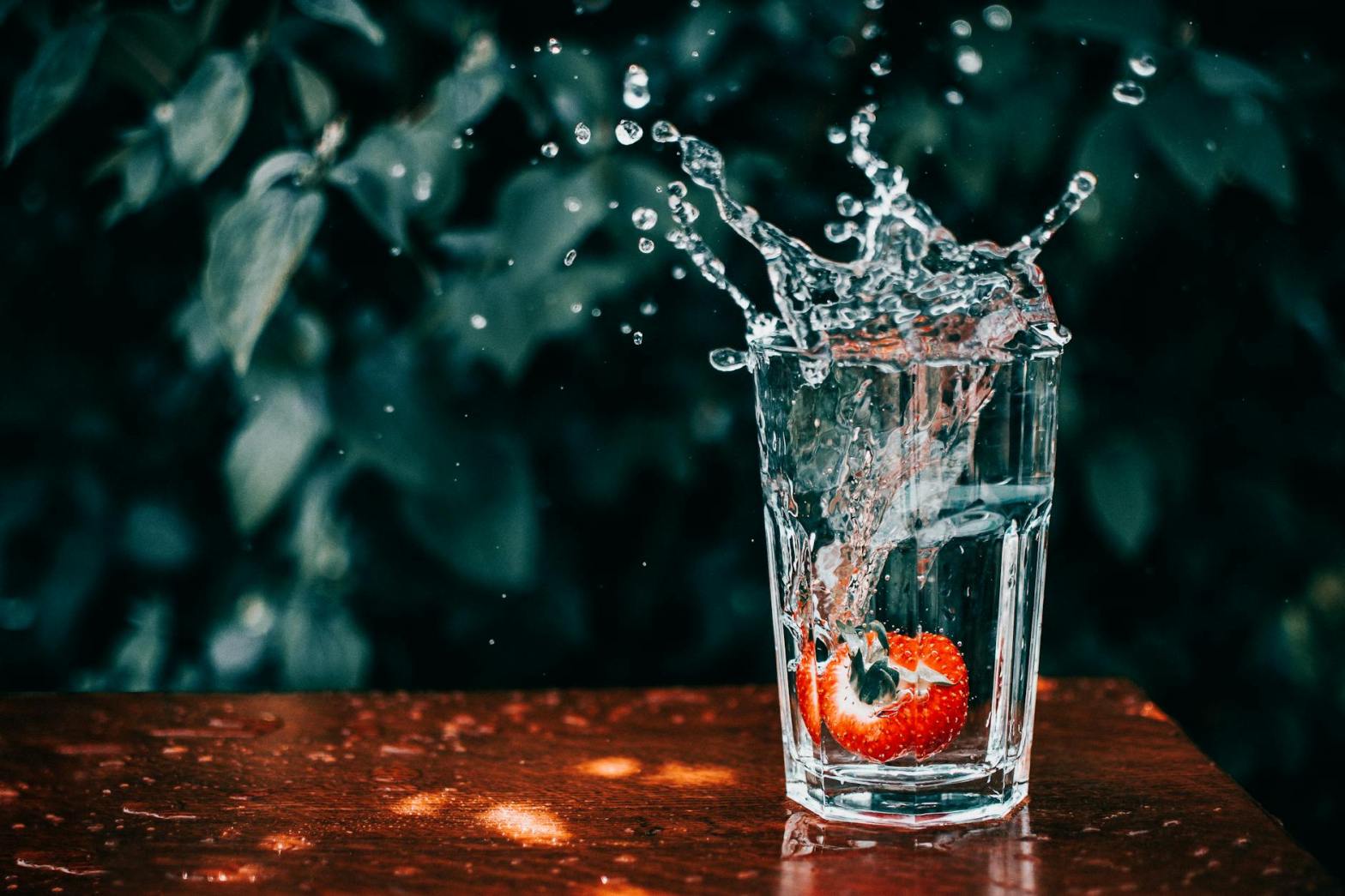
Action photography is all about energy, movement, and emotion. Whether you’re photographing a soccer game, a bird in flight, or a skateboarder performing tricks, capturing motion effectively requires a combination of technical skill, creative vision, and quick reflexes. This guide dives into techniques and tips for freezing motion and creating dynamic action shots that leap off the screen.
Understanding Motion in Photography
Motion in photography can be captured in two main ways:
- Freezing Motion: Stopping movement in its tracks, resulting in crisp, sharp images.
- Blurring Motion: Creating a sense of speed or fluidity by intentionally capturing movement as blur.
For action shots, freezing motion is often the goal, though some creative scenes benefit from intentional blur to convey speed. Let’s explore how to achieve each effect.
Freezing Motion: The Technical Essentials
Freezing motion requires controlling several camera settings to capture split-second moments with clarity.
1. Shutter Speed: The Key to Freezing Action
Shutter speed determines how long your camera’s sensor is exposed to light. To freeze motion, you need a very fast shutter speed, usually 1/500 second or faster.
- General Guidelines:
- Sports: Use 1/1000 second or faster for high-speed action like soccer, basketball, or track events.
- Birds in Flight: Aim for 1/2000 second or faster to capture quick wing movements.
- Everyday Motion: For children playing or casual street scenes, 1/500 second is usually sufficient.
Practical Tips:
- Use your camera’s shutter priority mode (S or Tv) to control shutter speed directly.
- Increase your ISO to allow for faster shutter speeds in low-light situations.
2. Autofocus: Keeping Up with the Action
Action photography requires precise and fast focusing to ensure your subject is sharp. Modern cameras offer advanced autofocus systems tailored for this purpose.
Autofocus Modes:
- Continuous Autofocus (AI Servo/AF-C): Tracks moving subjects and adjusts focus dynamically.
- Zone or Wide-Area AF: Lets the camera track subjects across a wider field of view, ideal for unpredictable movement.
Autofocus Tips:
- Pre-focus on a spot where you anticipate the action will occur.
- Use back-button focusing to separate focusing from the shutter button for greater control.
3. Burst Mode: Capturing the Perfect Moment
Sometimes the difference between a good action shot and a great one is a matter of milliseconds. Use burst mode (continuous shooting) to capture a sequence of images in rapid succession.
How to Use Burst Mode:
- Enable the burst mode in your camera’s settings.
- Hold the shutter button down to capture multiple frames as the action unfolds.
Pro Tip:
Choose the best shot later during post-processing. Look for dynamic poses, expressions, or peak moments of movement.
4. Stabilization and Support
While fast shutter speeds reduce motion blur, camera shake can still affect your shots. Use stabilization techniques to maintain sharpness.
Tools and Techniques:
- Tripod or Monopod: A monopod offers stability without sacrificing mobility, especially for sports or wildlife.
- Lens Stabilization: Many lenses have built-in optical stabilization to counteract minor movements.
- Proper Handholding: Hold the camera with both hands, elbows tucked in, for maximum stability.
Composition for Dynamic Action Shots
Beyond technical settings, composition plays a critical role in creating impactful action photographs. A well-composed action shot tells a story and directs the viewer’s attention.
1. The Rule of Space
Leave space in the frame in front of the moving subject to emphasize direction and movement. For example:
- A runner should have space to “run into.”
- A car should have space ahead of it on the road.
2. Framing the Action
Use elements in the environment to frame the subject. For instance:
- Capture a skateboarder through the railings of a staircase.
- Frame a horse and rider between tree branches.
3. Capturing Expressions and Details
Focus on the subject’s face, hands, or other key details that convey emotion or action. Examples:
- A soccer player’s intense expression during a goal attempt.
- The splash of water droplets as a swimmer dives into the pool.
4. Include Context
Action shots can be more powerful when they show the environment. For instance:
- Photograph a cyclist with the surrounding trail to highlight the terrain.
- Include spectators to show the excitement of a sporting event.
Adding Motion Blur for Creative Effect
While freezing motion is common, deliberate motion blur can add drama and a sense of speed to your images.
1. Panning: Blurring the Background
Panning involves moving your camera along with the subject’s motion, keeping the subject sharp while blurring the background.
Steps to Pan Effectively:
- Select a slower shutter speed (e.g., 1/30 to 1/60 second).
- Focus on the subject and follow its motion smoothly.
- Press the shutter while continuing the motion.
Best for:
- Cyclists, cars, or runners moving in a straight line.
2. Intentional Subject Blur
Capture movement trails by using a slower shutter speed while keeping the camera stationary. This technique works well for:
- Dancers spinning or jumping.
- Waves crashing on a shore.
Mastering Light for Action Shots
Light plays a significant role in action photography. The quality, direction, and intensity of light can either enhance or detract from your images.
1. Shooting in Natural Light
Natural light is ideal for most action photography, particularly during golden hour.
Tips:
- Position yourself to capture sidelighting, which adds depth and dimension.
- Use backlighting for dramatic silhouettes or rim lighting around the subject.
2. Using Artificial Light
For indoor action shots or low-light conditions, artificial lighting is often necessary.
Flash Photography:
- Use an external flash to freeze motion indoors.
- Consider using high-speed sync (HSS) to capture fast-moving subjects with flash.
3. Dealing with Shadows
Shadows can add drama but may also obscure details. Use fill light or reflectors to soften harsh shadows when necessary.
Action Photography in Different Scenarios
Let’s look at some popular action photography scenarios and how to approach them.
1. Sports Photography
- Positioning: Stand at an angle where you can see the athlete’s face and the action clearly.
- Lenses: Use telephoto lenses (e.g., 70–200mm) for distant action.
- Settings: Shoot at 1/1000 second or faster to freeze the action.
2. Wildlife Photography
- Patience is Key: Wait for the perfect moment, whether it’s a bird taking off or a deer leaping.
- Silent Mode: Use your camera’s silent shooting mode to avoid startling animals.
- Focus: Use single-point autofocus to lock onto fast-moving subjects.
3. Street Action
- Spontaneity: Look for unplanned moments like a cyclist passing or a child running.
- Environment: Include street signs, buildings, or bystanders to add context.
4. Adventure Photography
- Dynamic Angles: Get creative with angles, such as shooting from below a climber or above a kayaker.
- Weather: Embrace natural elements like rain or snow to add drama.
Post-Processing Action Shots
Post-processing is essential for refining and enhancing action photos.
1. Sharpening
Enhance the subject’s details, especially in sports or wildlife shots.
2. Cropping for Impact
Remove distractions and tighten the composition to emphasize the action.
3. Adjusting Colors and Contrast
Boost saturation and contrast to make the image pop.
Conclusion
Action photography combines technical precision with artistic creativity. By mastering shutter speed, autofocus, and composition, you can freeze moments of high energy and emotion. Whether you’re capturing a sports game, wildlife in motion, or street activity, the key is to anticipate the action and be ready to adapt.
Through practice, experimentation, and attention to detail, you’ll develop the skills to create dynamic action shots that tell powerful stories. So grab your camera, find the action, and start shooting!

 Learning Digital Photography